Nederlands
 English
 Deutsch
 Français
 Español
 Português





Commercial Space Launch Schedule Updates: Private Companies Accelerate Cadence
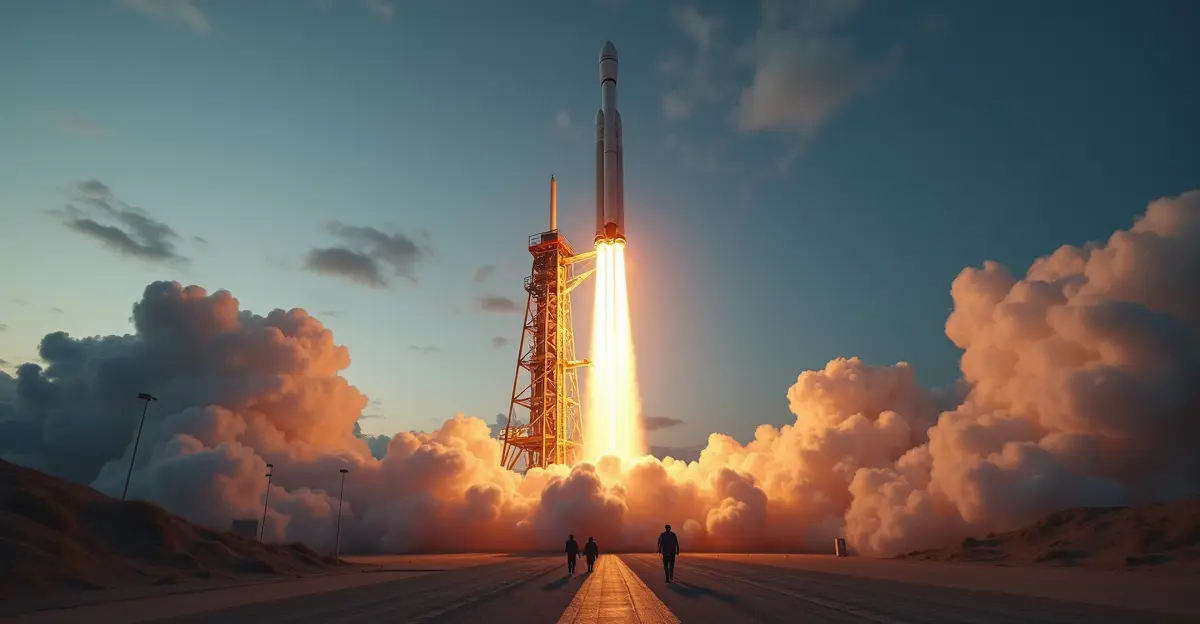
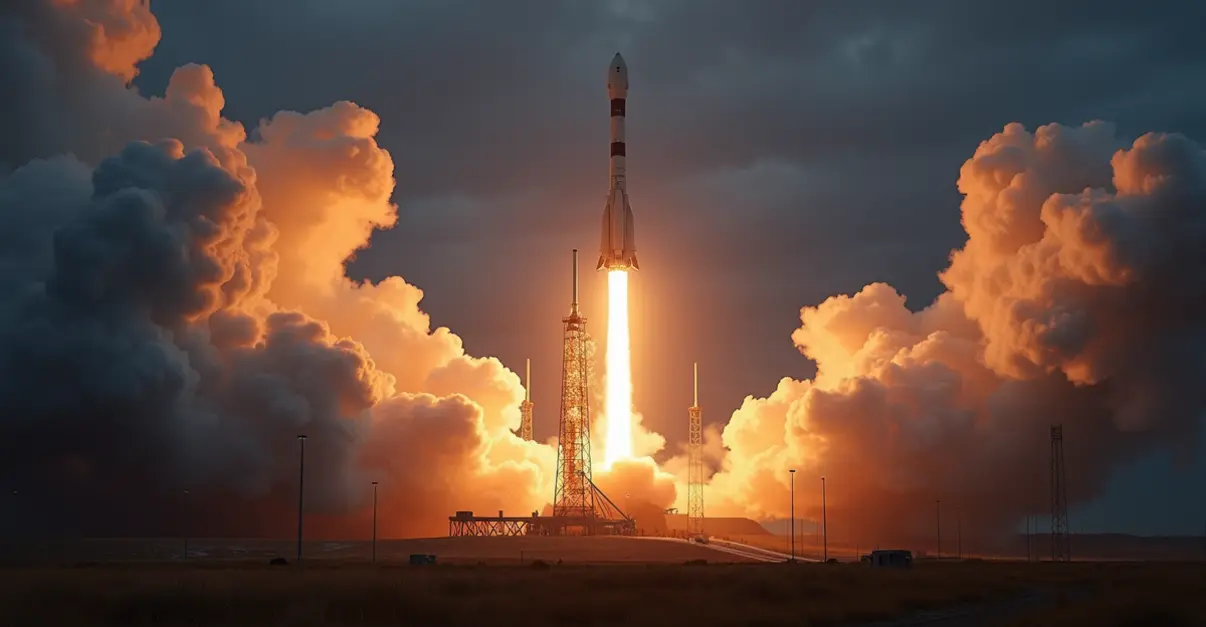
The commercial space industry is experiencing unprecedented growth in 2025, with private companies dramatically increasing their launch cadence while navigating evolving regulatory landscapes. From SpaceX's record-breaking Falcon 9 missions to Blue Origin's entry into national security contracts, the sector is transforming how humanity accesses space.
Launch Cadence Reaches New Heights
SpaceX continues to dominate the commercial launch market, with the company planning an astonishing 106 Falcon 9 missions for 2025 alone. 'We're seeing launch frequencies that were unimaginable just five years ago,' says industry analyst Dr. Marcus Chen. 'SpaceX's reusable technology has fundamentally changed the economics of space access.' The week of December 8, 2025, exemplifies this intensity with seven Falcon 9 missions scheduled, including six Starlink flights and one classified NROL-77 mission for the National Reconnaissance Office.
Other players are also ramping up operations. United Launch Alliance (ULA) has multiple Atlas V missions planned, including one for Amazon's Project Kuiper satellites on December 15. Rocket Lab continues its regular launches from New Zealand, while Blue Origin prepares for its NS-37 crewed suborbital flight on December 18. China leads international efforts with at least six planned launches from four different space centers during the same week.
Diverse Payload Types Transforming Markets
The variety of payloads reflects the expanding commercial space economy. Starlink satellite deployments continue to be the most frequent missions, with SpaceX launching thousands of satellites to build its global broadband constellation. However, other payload types are gaining prominence.
Earth observation satellites represent a growing segment, with missions like Italy's CSG-3 and South Korea's CAS500-2 & CAS500-4 scheduled for December 2025. Communications satellites remain crucial, particularly for Amazon's Project Kuiper constellation. The International Space Station resupply missions continue with Cygnus CRS-2 NG-22, while classified national security payloads like USSF-31 demonstrate the military's reliance on commercial launch providers.
'What we're seeing is a maturation of the market,' explains payload specialist Elena Rodriguez. 'It's no longer just about getting to orbit—it's about what specific capabilities each mission delivers, from broadband internet to climate monitoring to national security.'
Regulatory Context: Streamlining for Competition
The regulatory environment is undergoing significant changes to accommodate this launch boom. On August 13, 2025, President Donald J. Trump signed an Executive Order aimed at streamlining regulations and fostering competition in the commercial space industry. The order directs the Secretary of Transportation to eliminate or expedite environmental reviews for launch and reentry licenses and creates a streamlined process for authorizing novel space activities.
According to a Congressional Research Service report, the Federal Aviation Administration's Office of Commercial Space Transportation (AST) faces increasing challenges in regulating this rapidly expanding sector. The report examines key policy issues surrounding liability, insurance requirements, and environmental considerations.
The U.S. Space Force's recent $13.7 billion contract awards under the NSSL Phase 3 Lane 2 program further illustrate the government's adaptation to commercial capabilities. SpaceX will receive about 60% of the missions (28 launches), United Launch Alliance gets 40% (19 launches), and Blue Origin receives 7 missions over five years. 'This contract represents a strategic shift toward leveraging commercial innovation for national security,' notes defense policy expert General (Ret.) William Thompson.
Infrastructure and Environmental Considerations
The launch surge is putting pressure on spaceport infrastructure across the United States. Cape Canaveral, Vandenberg Space Force Base, and Kennedy Space Center are operating at near capacity, prompting discussions about expanding existing facilities and developing new launch sites.
Environmental concerns remain a significant regulatory hurdle. The FAA's environmental review process has been criticized by industry leaders as too slow for the current launch tempo. However, environmental groups caution against rushing approvals. 'We support space exploration, but not at the expense of proper environmental safeguards,' says Sierra Club spokesperson Maria Gonzalez.
The FAA Aerospace Forecast for Fiscal Years 2025-2045 projects continued growth in commercial space activities, emphasizing the need for balanced regulatory approaches that support innovation while protecting public safety and environmental interests.
Looking Ahead: The Future of Commercial Space
As 2025 draws to a close, the commercial space industry shows no signs of slowing. SpaceX's Starship development continues, promising even greater payload capacity and cost reductions. Blue Origin's New Glenn rocket, scheduled to begin operational flights, represents another major advancement in reusable launch technology.
The regulatory framework will likely continue evolving to match technological progress. Industry experts predict increased international cooperation on space traffic management and debris mitigation as launch frequencies increase. 'We're at an inflection point,' concludes Dr. Chen. 'The decisions we make now about regulation and infrastructure will shape space access for decades to come.'
With record-setting achievements like SpaceX booster B1067 completing its 32nd flight—a new reuse milestone—the commercial space industry is demonstrating that private enterprise can drive space exploration forward at an unprecedented pace, provided regulatory systems adapt to support rather than hinder this progress.