Nederlands
 English
 Deutsch
 Français
 Español
 Português
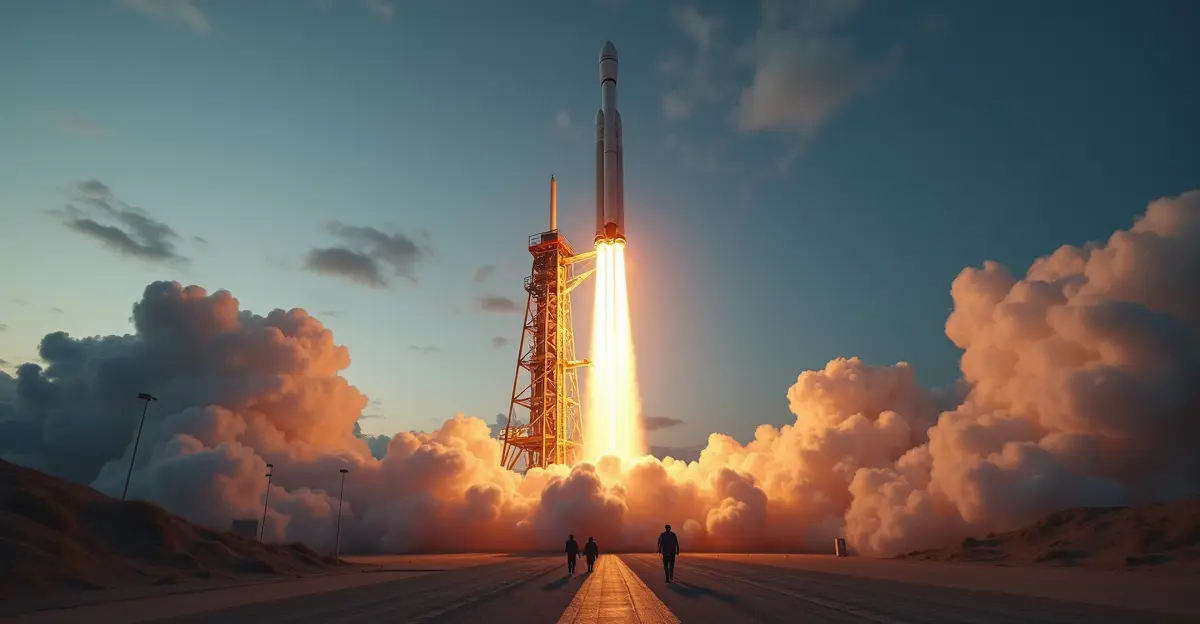





Revolution in Space Transportation
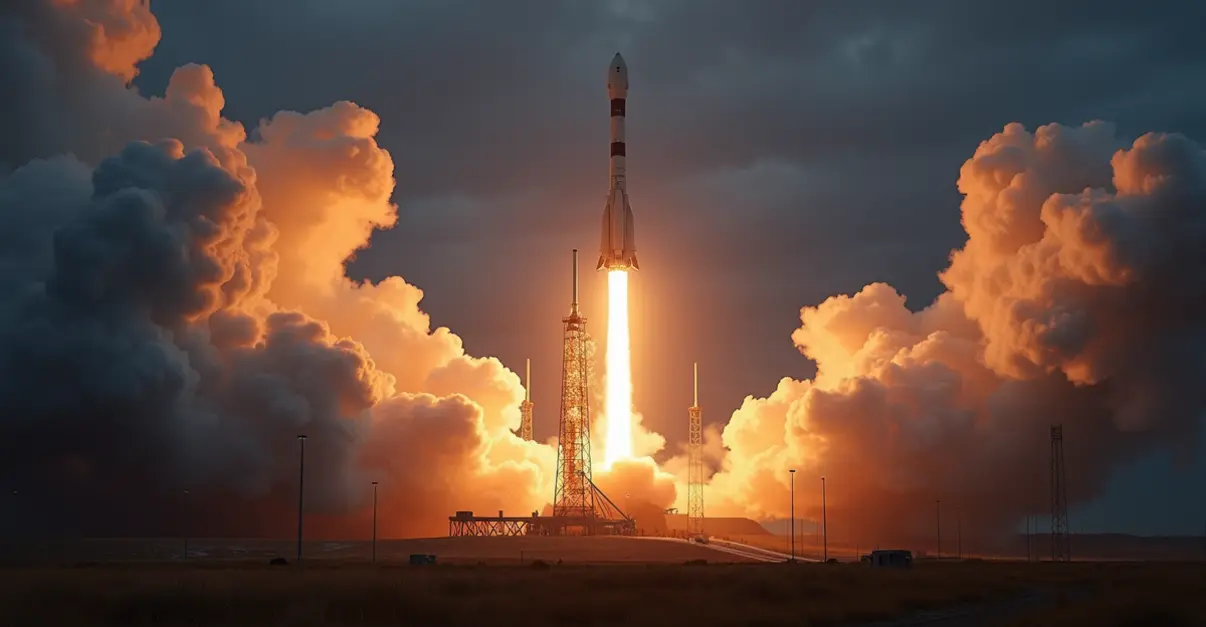
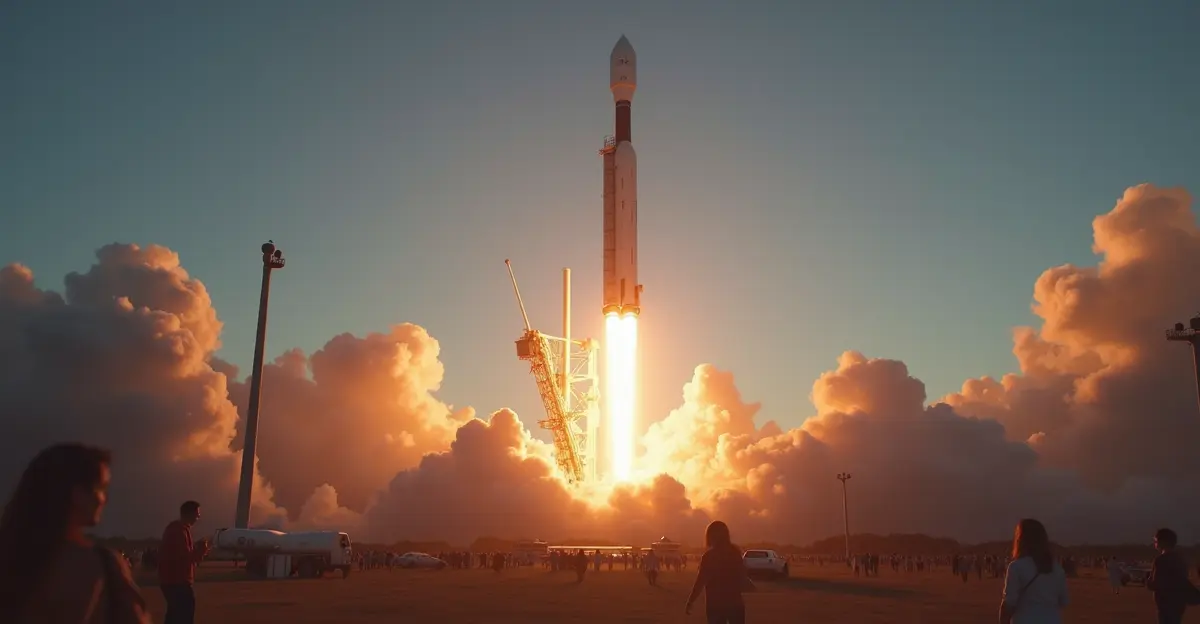
The commercial space industry has achieved a major breakthrough as reusable satellite launch systems are now reducing costs by approximately 50% compared to traditional expendable rockets. Private space companies, led by SpaceX, have perfected rapid turnaround capabilities that are transforming the economics of space access.
SpaceX Leads the Charge
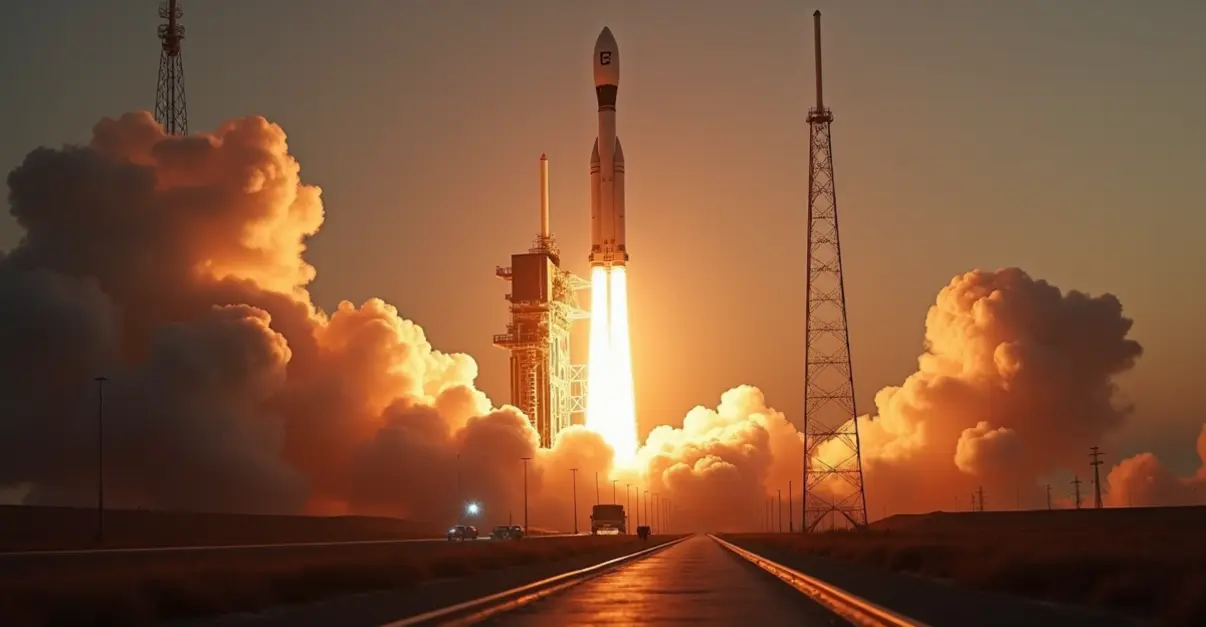
SpaceX's Falcon 9 rocket has become the workhorse of the modern space industry, with boosters being reused up to 19 times as of 2025. The company's relentless focus on reusability has driven down launch costs from approximately $62 million per mission to around $30-35 million for many commercial satellite deployments. This dramatic cost reduction is making space more accessible than ever before.
Rapid Turnaround Achievements
The most impressive aspect of this revolution is the speed at which rockets can now be refurbished and relaunched. SpaceX has reduced pad turnaround times to under 4 days at their SLC-40 launch facility, with the record standing at 3 days, 21 hours, and 41 minutes. The shortest time between two Falcon 9 launches has been compressed to just 2 hours and 54 minutes, demonstrating unprecedented operational efficiency.
Industry-Wide Impact
Other companies are following SpaceX's lead. Rocket Lab has developed reusable Electron rockets, while Blue Origin continues work on New Glenn. The entire industry is shifting toward reusability as the standard model, with new vehicles like Starship, Neutron, and Terran R all designed from the ground up for multiple flights.
Economic Implications
The cost reductions are having profound effects across the space economy. Satellite operators can now deploy constellations at half the previous cost, enabling new business models in Earth observation, communications, and scientific research. Small startups that couldn't previously afford space access are now entering the market, driving innovation and competition.
Future Prospects
With Starship's development progressing rapidly, the industry anticipates even greater cost reductions. SpaceX's fully reusable super-heavy lift vehicle promises to reduce costs to under $10 million per launch for massive payloads, potentially opening up space to entirely new categories of users and applications.