Nederlands
 English
 Deutsch
 Français
 Español
 Português





Commercial Space Launch Frequency Reaches Unprecedented Levels
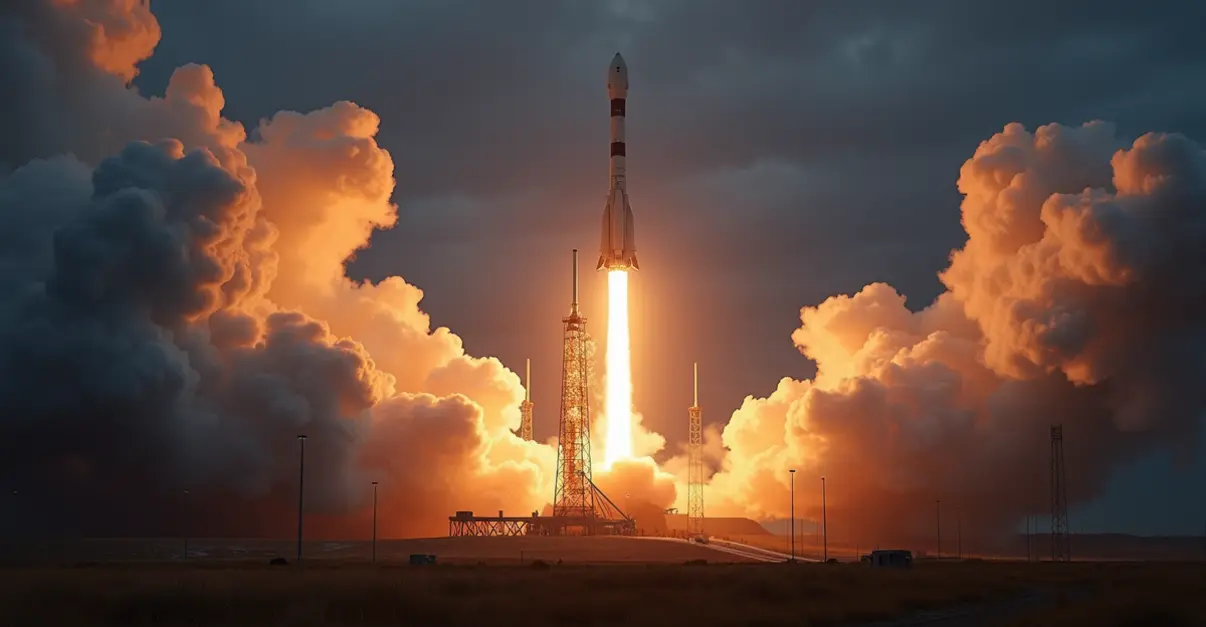
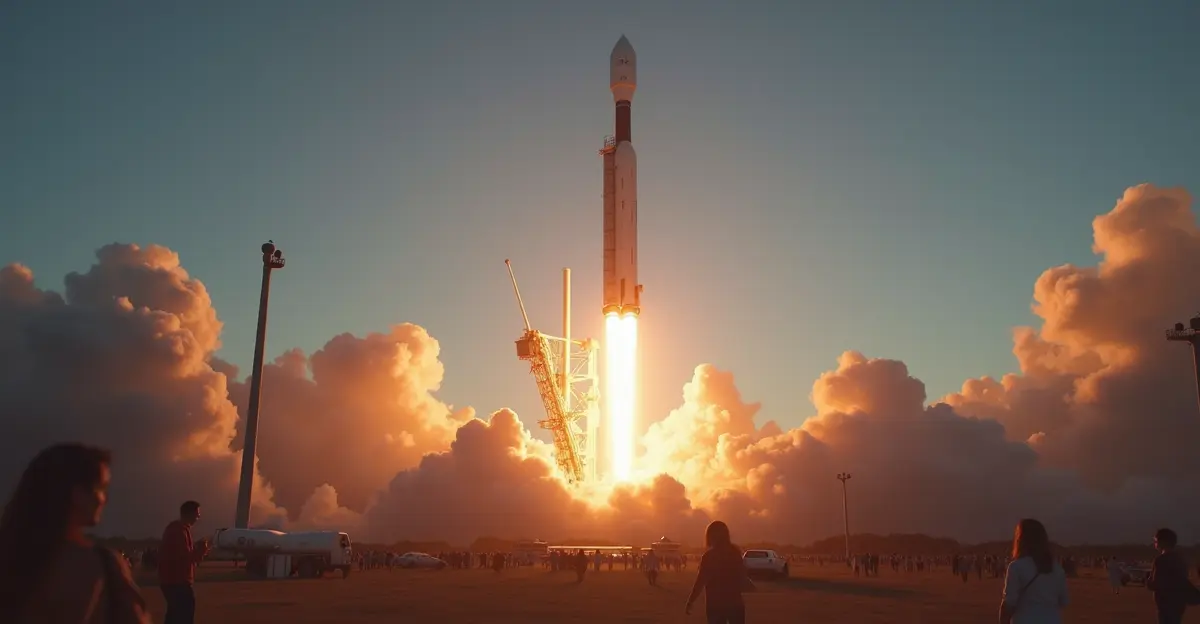
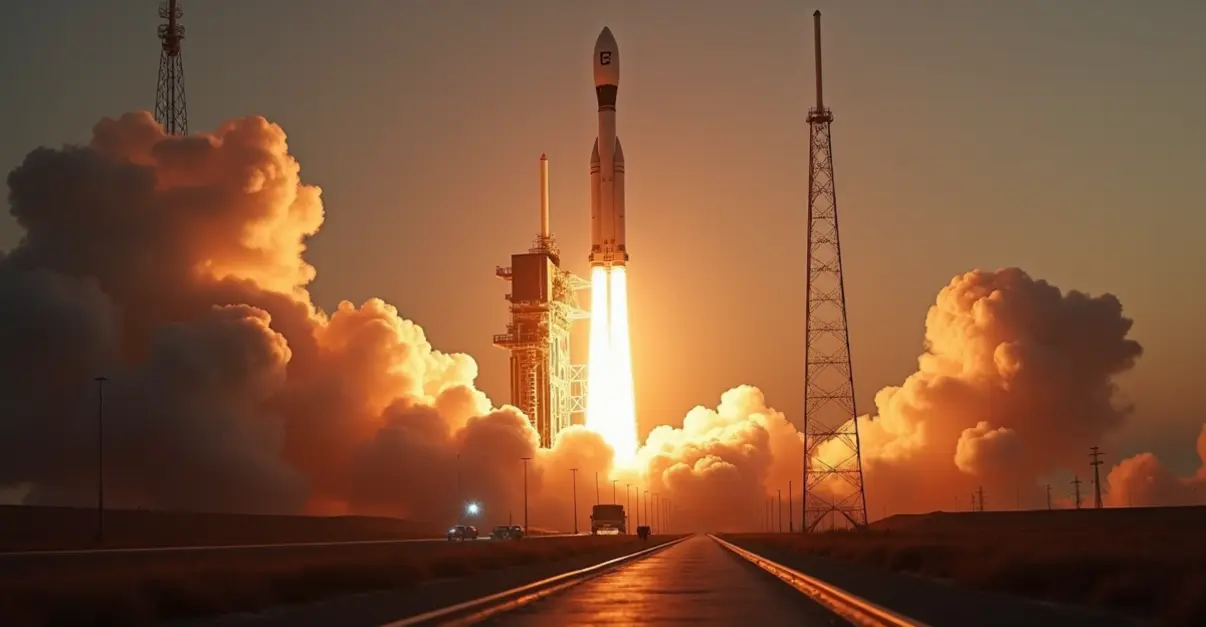
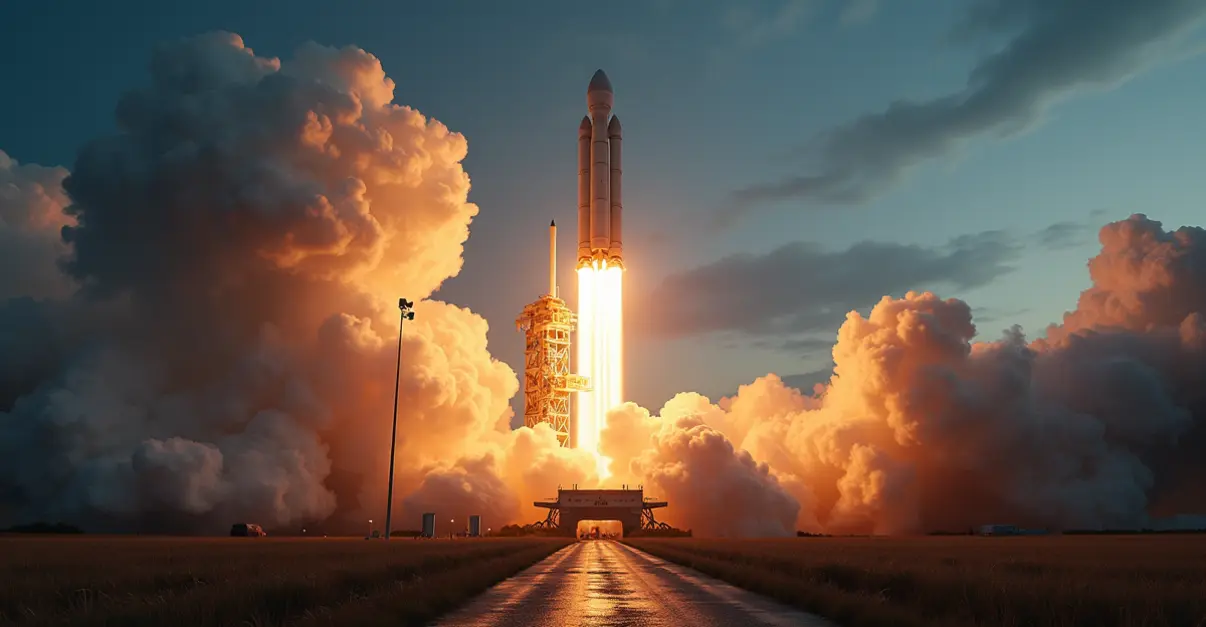
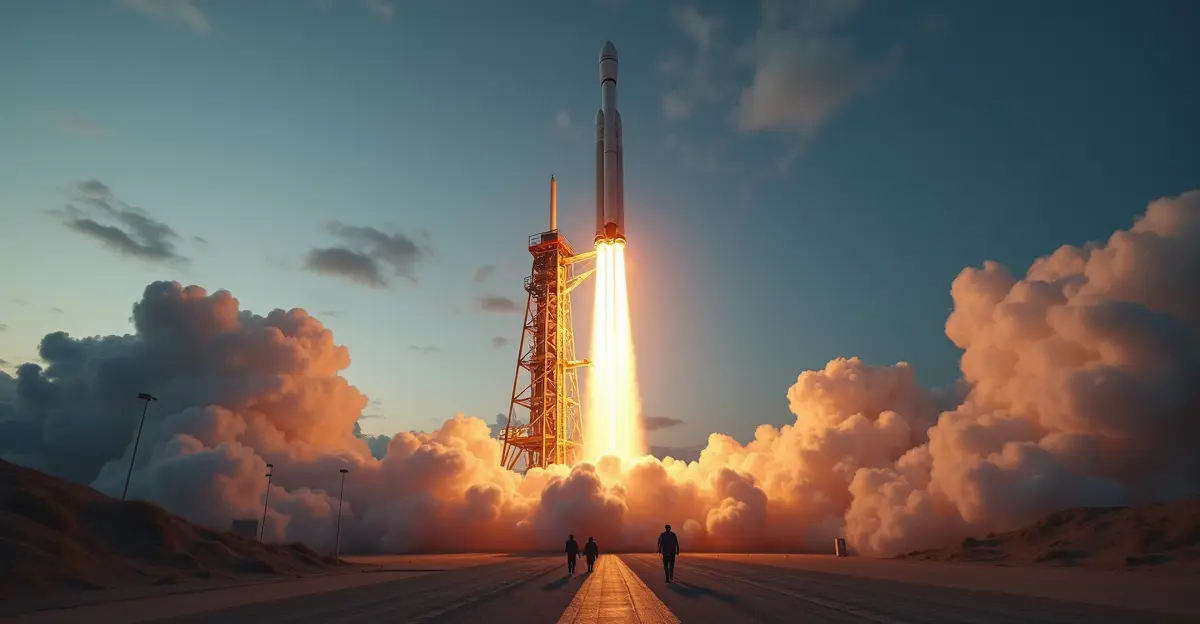
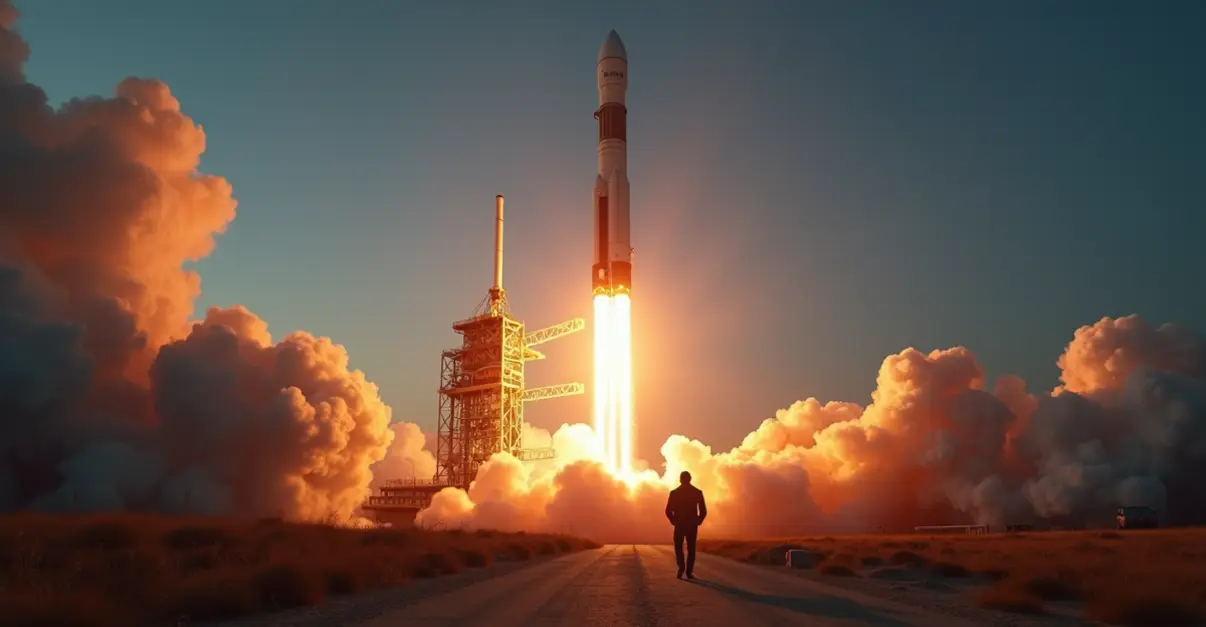
The commercial space industry is experiencing a launch revolution in 2025, with launch frequency reaching record-breaking levels that were unimaginable just a few years ago. According to industry reports, the first week of December 2025 alone saw 10 orbital launches from six different providers across four continents. This represents a dramatic acceleration in commercial space activity that has regulators, industry leaders, and safety experts working overtime to keep pace.
Payload Diversity Drives Launch Manifest Trends
The diversity of payloads being launched has expanded significantly beyond traditional communications satellites. Today's launch manifests include everything from Earth observation satellites like South Korea's KOMPSAT-7 to navigation satellites, technology demonstrators, and massive constellations for global internet coverage. 'We're seeing payloads that range from tiny CubeSats to massive geostationary communications satellites, all requiring different launch profiles and safety considerations,' explains Dr. Michael Chen, a space policy analyst at the Center for Strategic and International Studies.
The numbers are staggering: over 1,200 satellites were deployed between January and April 2025 alone, representing a 50% increase compared to the same period in 2024. SpaceX continues to dominate with its Starlink constellation deployments, launching 573 satellites in just the first quarter of 2025. Meanwhile, Amazon's Project Kuiper made its operational debut, and China has significantly expanded its presence with deployments for the Thousand Sails and Guowang constellations.
Regulatory Environment Undergoing Major Transformation
As launch frequency increases, regulatory frameworks are evolving rapidly. In August 2025, President Donald J. Trump signed an Executive Order aimed at promoting competition in the commercial space industry by streamlining regulations. The order directs multiple agencies to eliminate or expedite environmental reviews for launch permits, review and remove outdated regulatory requirements, and align review processes to eliminate duplication.
'The regulatory environment has to keep pace with technological innovation,' says FAA Administrator Jane Thompson. 'We reached a historic milestone of 1,000 licensed space operations in August 2025, but we're just getting started. Our focus remains on ensuring public safety while enabling this industry to grow responsibly.'
Safety Updates and Challenges
With increased launch frequency comes heightened safety concerns. The FAA's Office of Commercial Space Transportation has been expanding its oversight capabilities, recently reaching the milestone of 1,000 licensed space operations. The agency regulates and licenses all U.S. commercial space launches and reentries, both domestically and internationally, with a primary mission to ensure public safety while advancing the commercial space industry.
Safety challenges are becoming more complex as launch providers experiment with new technologies. China's LandSpace attempted the maiden flight of its reusable ZhuQue-3 rocket in December 2025, though the booster suffered a landing anomaly. Such incidents highlight the need for robust safety protocols as companies push technological boundaries.
Future Projections and Industry Outlook
Looking ahead, industry projections are nothing short of extraordinary. Novaspace, a market research firm, forecasts that 43,000 satellites will be launched between 2025 and 2034. This represents massive growth in the space industry, with projections suggesting 2025 could see over 3,000 satellite launches alone.
The economic implications are equally significant. Novaspace's latest report projects a $665 billion market for satellite manufacturing and launch services over the next decade. Five mega-constellations will account for 66% of satellites launched but only 11% of market value, while defense captures 48% of total value despite representing just 9% of satellite volume.
'We're at an inflection point in commercial space history,' says aerospace entrepreneur Maria Rodriguez. 'The combination of increased launch frequency, diverse payloads, and evolving regulations is creating both unprecedented opportunities and significant challenges. How we manage safety and regulatory frameworks today will determine the sustainability of space operations for decades to come.'
The commercial space launch industry stands at a crossroads in 2025, balancing explosive growth with the need for responsible regulation and safety oversight. As launch manifests become more crowded and payloads more diverse, the regulatory environment must continue to evolve to support innovation while protecting public safety and orbital sustainability.