


 English
 Nederlands
 Deutsch
 Français
 Español
 Português

Search
-
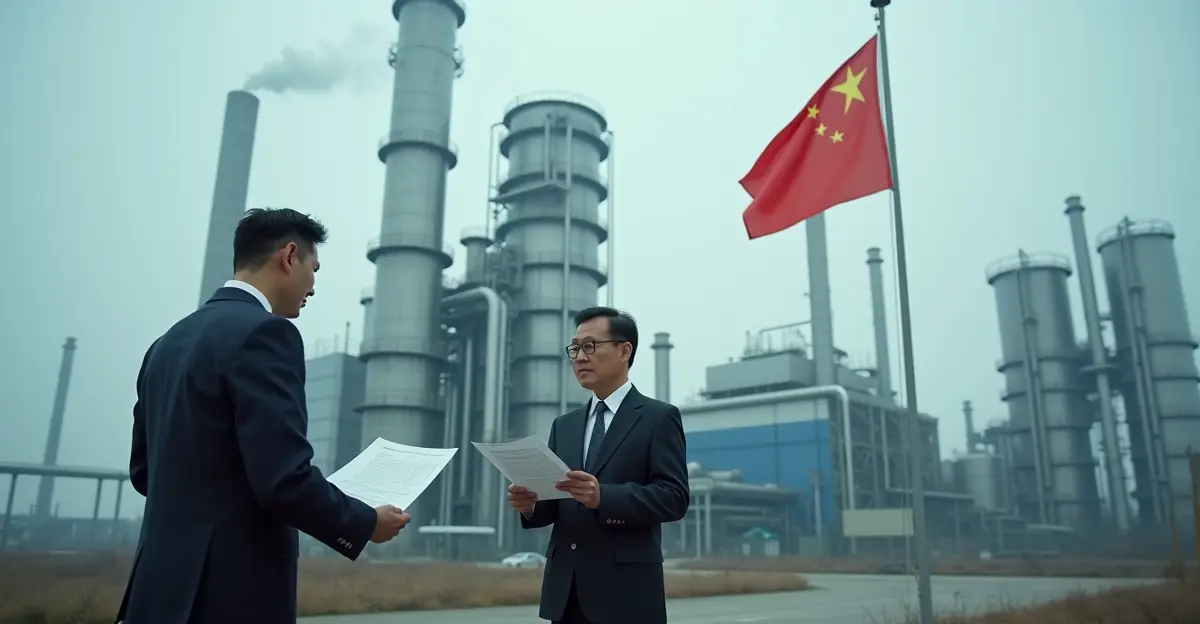
China's Rare Earth Leverage: 2026 Export Controls Reshape Supply Chains
China's 2026 rare earth export controls impose licensing for samarium, gadolinium, and lutetium, with extraterritorial provisions. With 90% processing dominance and approval rates below 25%, Western nations face a 12-18 month...
-

After Hormuz: How the 2026 Oil Chokepoint Crisis Is Redesigning Global Supply Chains
The Feb 2026 Strait of Hormuz closure triggered the largest oil supply shock in history, with Brent surging 65%. Beyond energy, 51% of companies are nearshoring, South-South trade corridors are rising, and nine critical...
-
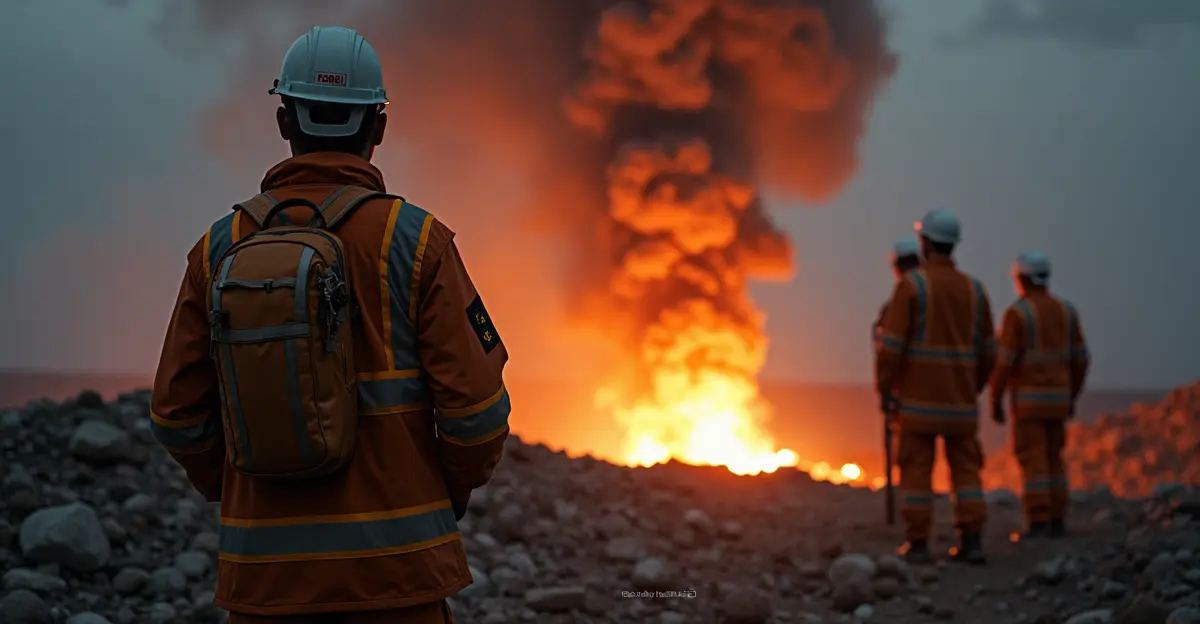
Critical Minerals Bloc: US FORGE Reshapes Global Supply Chains 2026
The US launched FORGE in Feb 2026, signing critical minerals deals with 11 countries to counter China's rare earths monopoly. Combined with the Strait of Hormuz oil shock and Pax Silica AI framework, global supply chains are...
-

54-Nation Counterstroke: How FORGE and Project Vault Rewrite Critical Mineral Supply Chains
At the Feb 4, 2026 Critical Minerals Ministerial, 54 nations launched FORGE and Project Vault—a $10B reserve—to counter China's 90% rare earth processing dominance. With $30B+ mobilized, this marks the West's most ambitious...
-
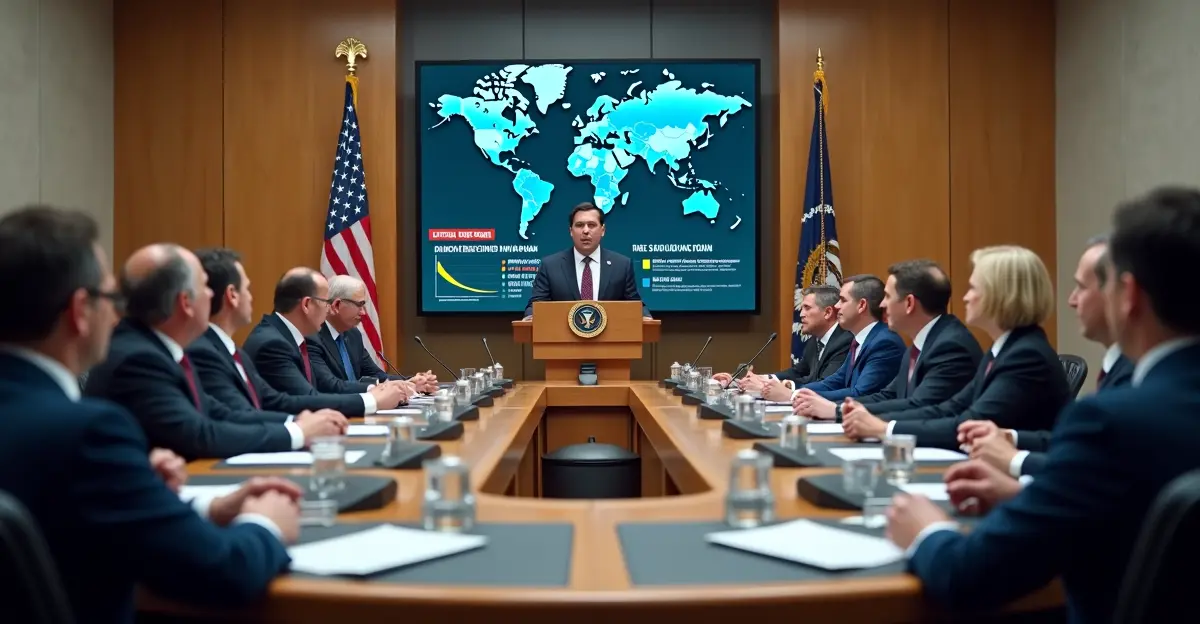
Critical Minerals Race: 2026 Supply Chain Realignments Reshape Global Power
In 2026, critical mineral export controls and new alliances are reshaping global power. China tightens rare earth restrictions while the U.S. launches FORGE. Learn how lithium, cobalt, and copper supply chains are being realigned.
-
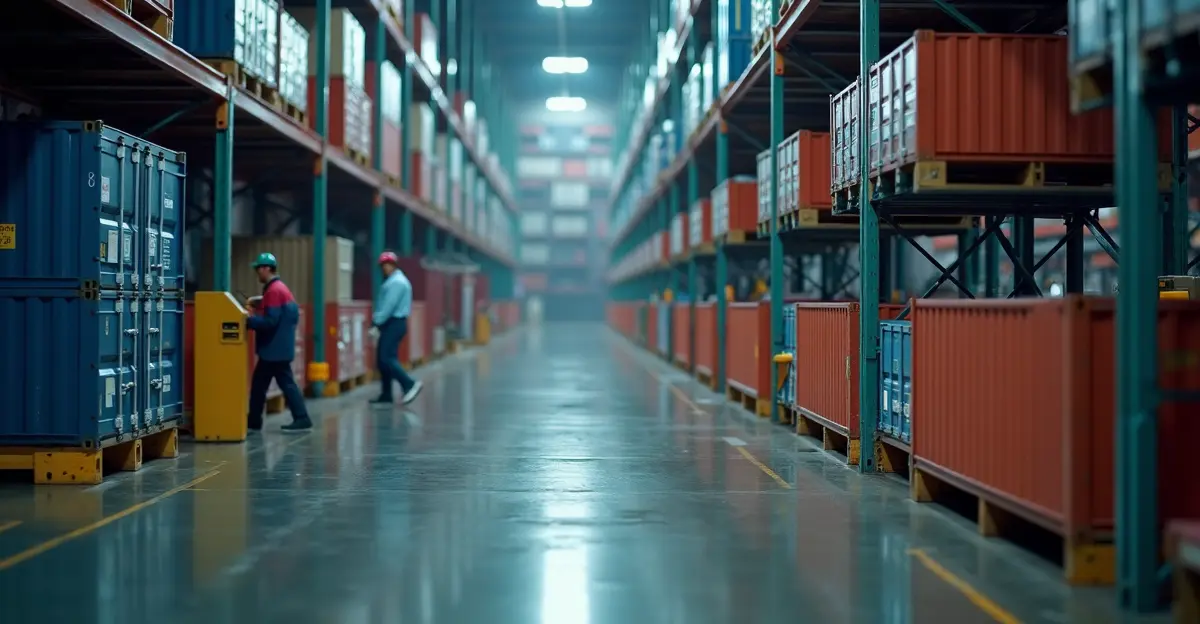
EU-US Tariff War 2026: Supply Chain Chaos Explained
The 2026 EU-US tariff escalation under Section 122 and EU retaliation is reshaping global supply chains, costing US households $1,500 and forcing triple-redundancy production. Learn how CBAM and nearshoring are redefining...