


 English
 Nederlands
 Deutsch
 Français
 Español
 Português

Search
-

Strait of Hormuz Shock: Why Energy Security Demands Renewables Rethink
The February 2026 Strait of Hormuz closure removed 20% of global oil supply, sending Brent crude up 65% and threatening 2.9% GDP loss. Despite renewables being cheaper than fossil fuels in 91% of cases, Africa gets just 2% of...
-

Energy Innovation's Security Pivot: IEA 2026 Report Analysis
IEA 2026 report reveals energy R&D now driven by security and competitiveness, not climate. Chinese firms account for 60% of corporate energy R&D. Energy storage is 40% of patents. Public R&D at half post-1970s levels. Learn...
-

NASA Satellite Reveals Mexico City Sinking at Record Rates
NASA's NISAR satellite reveals Mexico City is sinking up to 2 cm per month, one of the fastest rates globally. Groundwater over-extraction and climate crisis drive the subsidence, threatening 22 million residents with...
-

NATO's $1.5 Trillion Defense Pivot: Economic Fallout in 2026
NATO's combined defense spending exceeds $1.5 trillion in 2026 as all 32 members meet the 2% GDP target. This historic rearmament strains European sovereign debt, crowds out climate spending, and reshapes military supply...
-
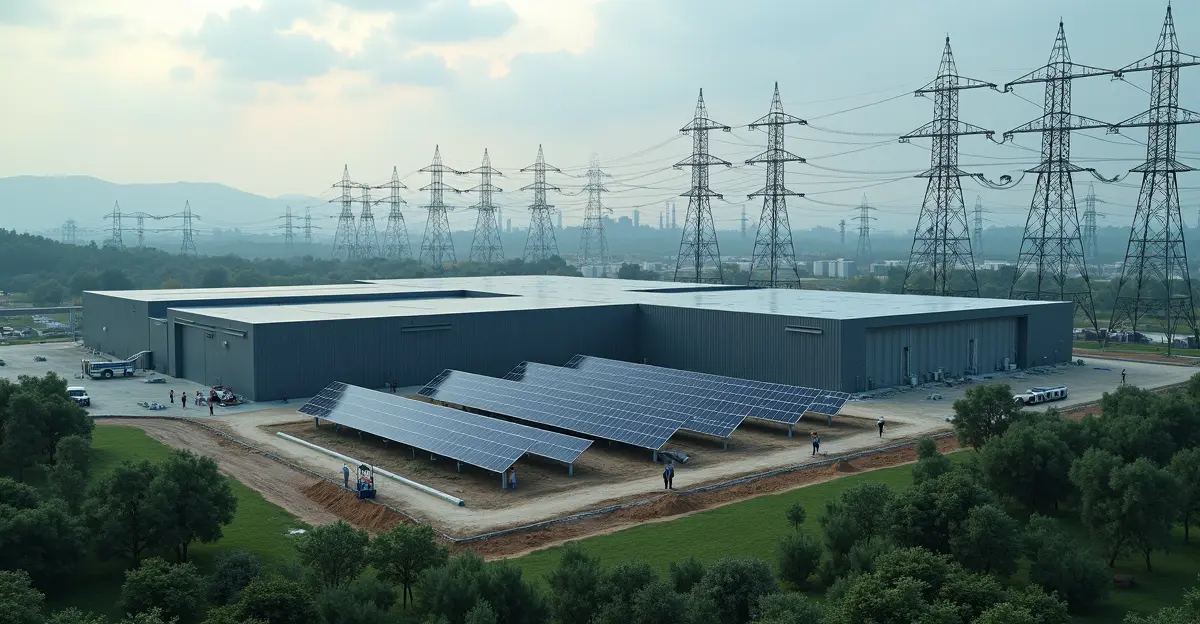
AI-Energy Nexus Explained: How 2026's Compute Demands Reshape Global Power Markets
AI compute demands will consume electricity equal to a medium-sized economy by 2030, creating a critical 2026 inflection point for global power markets. Discover how the AI-energy nexus reshapes geopolitics, grid investments,...
-

CBAM 2026: Complete Guide to EU Carbon Border Tax Reshaping Global Trade
EU's Carbon Border Adjustment Mechanism (CBAM) entered full force January 1, 2026, imposing carbon costs on €50 billion of imports across six key sectors. This world-first border carbon tax reshapes global trade and climate diplomacy.