
 English







Artemis II Moon Mission Complete: Astronauts Return After Record-Breaking Spaceflight
NASA's historic Artemis II mission successfully concluded on April 10, 2026, when the Orion spacecraft 'Integrity' splashed down in the Pacific Ocean off San Diego, bringing four astronauts safely back to Earth after a groundbreaking 10-day journey around the Moon. This mission marked humanity's return to lunar space for the first time since Apollo 17 in 1972 and achieved multiple historic milestones including a new distance record for human spaceflight.
What Was the Artemis II Mission?
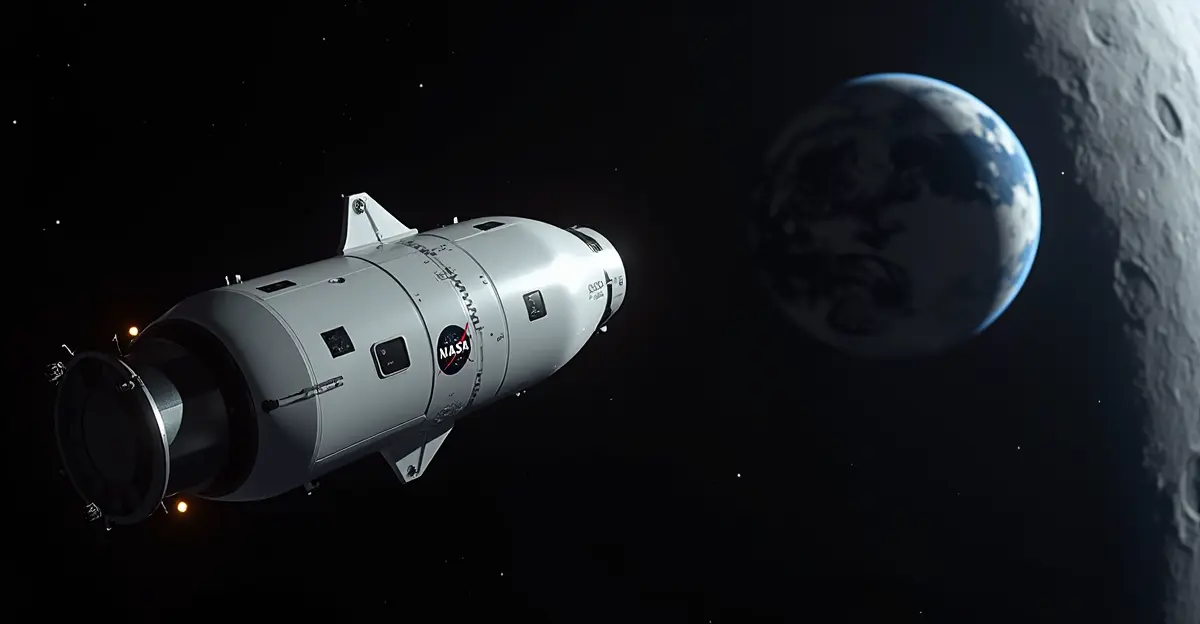
Artemis II was the first crewed mission of NASA's Artemis program, designed to test the Space Launch System rocket and Orion spacecraft with astronauts aboard. The mission followed a 'free-return' trajectory around the Moon's far side, successfully demonstrating key technologies for future lunar exploration. The four-person crew included NASA astronauts Reid Wiseman (commander, 50), Victor Glover (pilot, 49), Christina Koch (mission specialist, 47), and Canadian Space Agency astronaut Jeremy Hansen (mission specialist, 50).
Record-Breaking Achievements and Mission Details
Historic Distance Record
On April 6, 2026, six days into their mission, the Artemis II crew traveled 252,756 miles (406,773 km) from Earth, surpassing the previous record of 248,655 miles set by Apollo 13 in 1970 by 4,101 miles. This achievement represents the farthest humans have ever traveled from our planet. The mission covered a total distance of 694,481 miles during its 10-day journey.
Lunar Flyby and Scientific Observations
The crew flew past the far side of the Moon on Tuesday, April 7, approaching within 6,545 kilometers of the lunar surface. During their lunar flyby, they experienced a 40-minute communication blackout as they passed behind the Moon, viewing areas never seen by Apollo astronauts. The astronauts observed 30 lunar surface targets including the Orientale and Hertzsprung basins, becoming the first humans to see the entire Orientale basin with their own eyes.
Technical Challenges and Solutions
The mission faced several challenges including toilet malfunctions that required spacecraft repositioning to melt frozen urine lines. The return to Earth was particularly challenging due to heat shield concerns from the previous Artemis 1 mission, requiring a modified re-entry approach. Despite these issues, the Space Launch System rocket performed flawlessly throughout the mission.
Emotional Return and Press Conference
On Saturday evening, April 11, 2026, the Artemis II crew held an emotional press conference at NASA's Johnson Space Center in Houston, where they received a standing ovation from attendees. 'This was not easy,' said commander Reid Wiseman about the mission. 'For the launch it feels like the biggest dream on Earth. And once you're there, you just want to return to your family and friends. It's something special to be human, and it's something special to be on planet Earth.'
Pilot Victor Glover expressed the surreal nature of their accomplishment: 'I haven't processed what we just did and I don't even dare to start.' Mission specialist Christina Koch shared her profound perspective: 'Honestly, it wasn't so much the Earth itself that struck me, but especially the darkness around it. The Earth was just a lifeboat floating undisturbed in the universe.'
What's Next for NASA's Artemis Program?
Artemis III: Earth Orbit Test (2027)
Following the successful Artemis II mission, NASA is advancing its Artemis program with significant changes. Artemis III, originally planned as a lunar landing mission, will now be an Earth-orbit test in mid-2027 focusing on Orion's ability to dock with SpaceX's Starship and Blue Origin's Blue Moon lunar landers. This test is essential for developing the capabilities needed to land astronauts on the Moon.
Artemis IV: First Crewed Lunar Landing (2028)
The first crewed lunar landing is now scheduled for Artemis IV in late 2028 near the Moon's south pole. NASA aims to establish a permanent lunar base by 2032, using these missions to develop skills needed for future Mars exploration. The Artemis Accords international agreements continue to strengthen global collaboration in space exploration.
Future Lunar Infrastructure
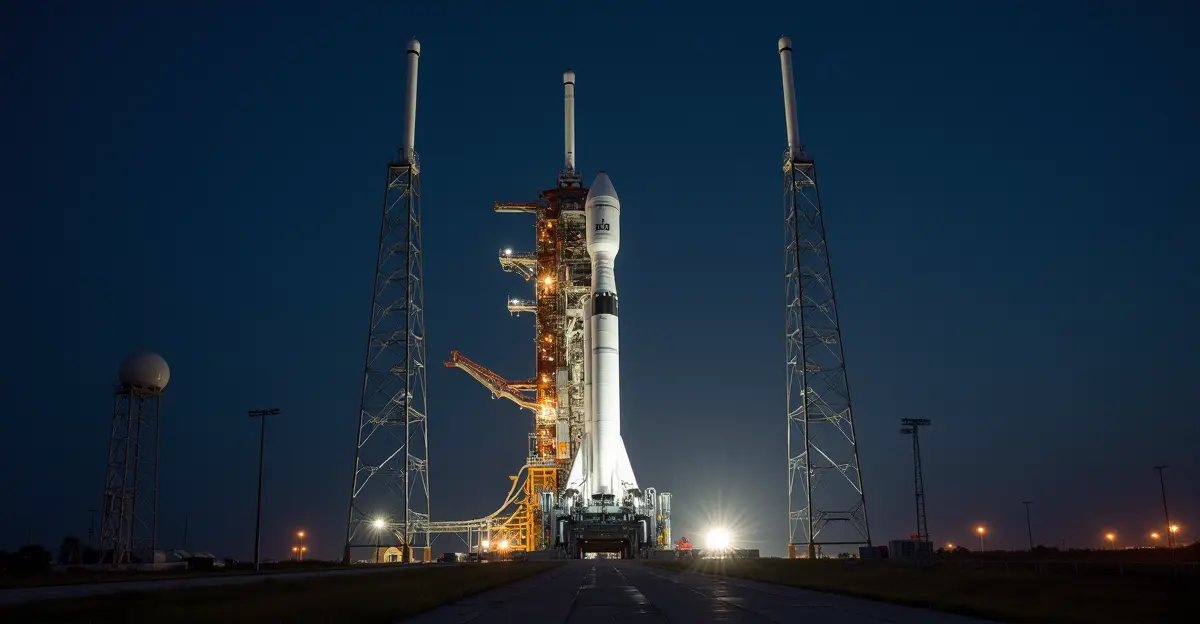
NASA plans approximately annual lunar landings after Artemis IV, with hardware for Artemis III already in production. Some SLS rocket components are already at Kennedy Space Center, though challenges remain with unproven lander systems and Orion's propulsion issues identified during Artemis II.
Impact and Significance of Artemis II
The successful completion of Artemis II represents a major milestone in human space exploration. The mission demonstrated several historic firsts: Victor Glover became the first Black person to reach lunar vicinity, Christina Koch the first woman, and Jeremy Hansen the first Canadian. The mission also marked the first crewed flight of NASA's Space Launch System rocket and Orion spacecraft.
NASA Administrator Jared Isaacman praised the crew's courage and skill, noting that Artemis II demonstrated the capabilities of the Orion spacecraft and Space Launch System rocket, paving the way for future lunar surface missions. The mission's success is crucial for NASA's Moon to Mars architecture, with the ultimate goal of establishing sustainable human presence on the Moon as a stepping stone to Mars exploration.
Frequently Asked Questions (FAQ)
How far did Artemis II travel from Earth?
Artemis II traveled 252,756 miles (406,773 km) from Earth, breaking the previous record set by Apollo 13 in 1970 by 4,101 miles.
When did Artemis II return to Earth?
The Orion spacecraft splashed down in the Pacific Ocean off San Diego on April 10, 2026, at 5:07 p.m. PDT, completing the 10-day mission.
What was the purpose of Artemis II?
Artemis II tested the Space Launch System rocket and Orion spacecraft with crew aboard, demonstrated key technologies for future lunar missions, and paved the way for crewed Moon landings planned for 2028.
Who were the Artemis II astronauts?
The crew consisted of NASA astronauts Reid Wiseman (commander), Victor Glover (pilot), Christina Koch (mission specialist), and Canadian Space Agency astronaut Jeremy Hansen (mission specialist).
What comes after Artemis II?
Artemis III in 2027 will test docking capabilities in Earth orbit, followed by Artemis IV in 2028 for the first crewed lunar landing since 1972.
Sources
NASA Artemis II Mission Completion
Space.com Artemis II Coverage
NASA Artemis III Mission Details
Smithsonian Magazine Analysis


Follow Discussion