


 Deutsch
 English
 Español
 Français
 Nederlands
 Português


 Share
Share




The Science Behind the World's Most Expensive Coffee
Groundbreaking research published in Scientific Reports has uncovered the chemical basis for civet coffee's legendary flavor profile. Known as kopi luwak, this luxury coffee made from beans collected from Asian palm civet feces can cost up to $1,300 per kilogram, making it one of the world's most expensive beverages.
Chemical Composition Differences
The study, conducted in India's Western Ghats biodiversity hotspot, compared unroasted Robusta coffee beans from wild civets with conventionally harvested beans. Researchers found that civet-processed beans contained significantly higher total fat content and elevated levels of two key fatty acid methyl esters: caprylic acid methyl ester and capric acid methyl ester. 'These compounds are known for their flavor-enhancing properties and dairy-like aroma,' explained lead researcher Ramit Mitra from Central University of Kerala.
The digestive fermentation process within the civet's gastrointestinal tract modifies the chemical composition of the beans, intensifying flavor and creating distinctive sensory characteristics. 'The higher fat content in civet coffee likely contributes to its unique aroma and taste profile,' Mitra added.
Research Methodology and Findings
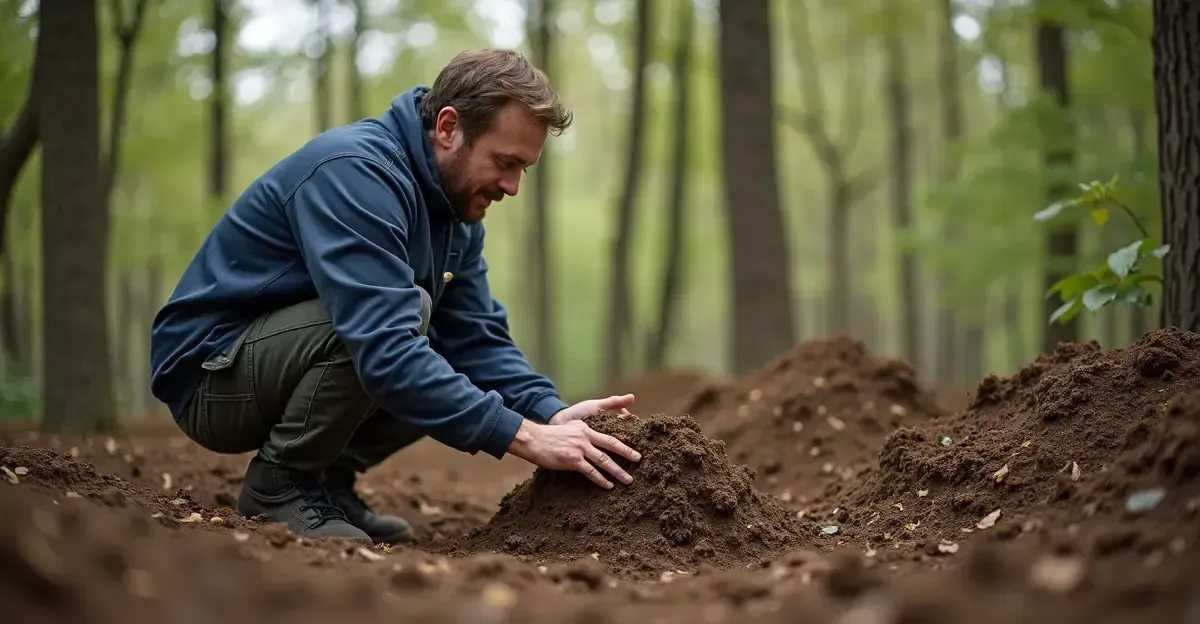
Scientists collected 68 civet fecal samples from coffee estates in Kodagu, India, analyzing them using gas chromatography-mass spectrometry (GC-MS). The study intentionally excluded roasted beans to preserve native chemical profiles and prevent degradation of heat-sensitive compounds.
Among the key findings, civet-derived beans were larger than manually collected beans, and organically grown beans were smaller than conventionally grown beans. 'The fermentation in the civet's digestive system appears to enhance specific flavor compounds while reducing bitterness,' noted co-author Thomas Jose.
Ethical Concerns and Market Dynamics
Despite its chemical appeal, civet coffee faces significant ethical challenges. Recent investigations by The Civet Project Foundation reveal widespread fraud in online markets, with sellers falsely claiming ethical certifications while confining civets in inhumane conditions.
'Consumers should be aware that many civet coffee products involve animal cruelty and false marketing claims,' warned an animal welfare expert from the investigation. The global kopi luwak market is expected to exceed $11 billion by 2032, driving concerns about sustainable production practices.
Future Research Directions
The research team plans to expand their studies to include Arabica varieties and investigate how roasting affects the chemical compounds identified in their study. 'Understanding how these native compounds transform during roasting will help us better understand the final flavor profile,' Mitra explained.
The study also calls for more comprehensive research on the ecological impacts of civet coffee production and the development of authentication technologies to combat counterfeit products in the luxury coffee market.



Follow Discussion