


 Deutsch
 English
 Español
 Français
 Nederlands
 Português


 Share
Share




What is Erythritol? The Popular Sugar Substitute Under Scrutiny
Erythritol (E968) is a natural, nearly calorie-free sugar alcohol that has become one of the most popular sugar substitutes in the health food market. With approximately 70% of sugar's sweetness and minimal impact on blood sugar levels, erythritol has been widely embraced by those following ketogenic diets, diabetic-friendly eating plans, and consumers seeking healthier sugar alternatives. Found naturally in fruits like melons and grapes, as well as fermented foods including cheese and wine, this sweetener has been considered a safe alternative to sugar for years. However, groundbreaking research from the University of Colorado published in 2025 and continuing into 2026 reveals alarming connections between erythritol consumption and increased stroke risk.
University of Colorado Study: How Erythritol Damages Brain Protection
The University of Colorado Boulder research, led by neuroscientists and published in prominent scientific journals, demonstrates that erythritol may compromise the blood-brain barrier—the critical protective system that shields the brain from harmful substances while allowing nutrients to pass through. The study exposed human brain blood vessel cells to erythritol concentrations equivalent to what someone would consume from a single sugar-free beverage.
Three Key Mechanisms of Damage
Researchers identified three primary ways erythritol appears to threaten brain health:
- Oxidative Stress Overload: Erythritol triggers a flood of damaging free radicals while simultaneously reducing the body's natural antioxidant defenses, overwhelming cellular protection systems.
- Blood Vessel Constriction: The sweetener disrupts normal blood flow regulation by reducing nitric oxide production (which widens vessels) while increasing endothelin-1 (which constricts them), potentially starving the brain of oxygen.
- Clot Protection Disruption: Erythritol appears to disable the body's natural clot-dissolving mechanism, leaving blood clots free to trigger strokes.
'Our findings suggest that even moderate consumption of erythritol could compromise the brain's protective systems and increase vulnerability to cardiovascular events,' explained lead researcher Dr. Sarah Chen from the University of Colorado's Department of Neuroscience.
Where is Erythritol Found? Common Products to Watch
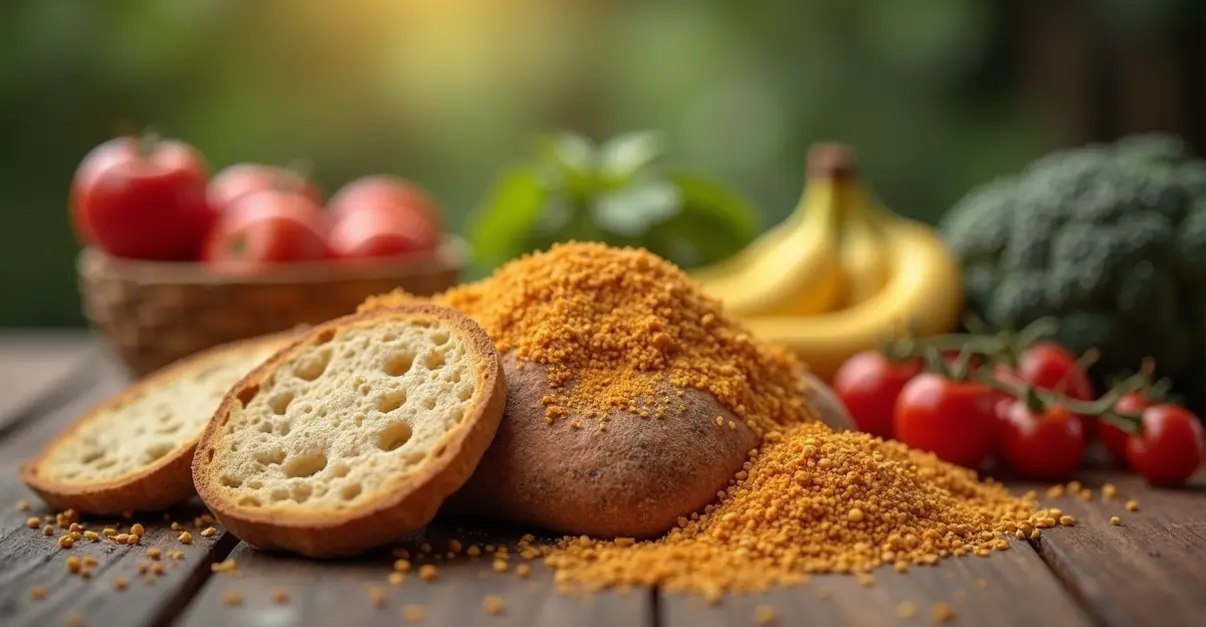
Erythritol has become ubiquitous in the health food industry, appearing in thousands of products marketed as 'sugar-free,' 'keto-friendly,' or 'diabetic-safe.' Consumers should check labels for these common sources:
- Sugar-free candies, gum, and chocolates
- Keto ice cream and frozen desserts
- Protein bars and meal replacement shakes
- Energy drinks and diet sodas
- Low-carb baked goods and baking mixes
- Packaged 'healthy' snacks and granola bars
The sweetener often appears in products alongside other artificial sweeteners and sugar alcohols, sometimes without clear labeling about specific quantities.
FDA Status and Regulatory Considerations
Currently, the U.S. Food and Drug Administration (FDA) recognizes erythritol as Generally Recognized as Safe (GRAS), based on earlier studies showing minimal digestive side effects and no immediate toxicity. However, the University of Colorado research represents some of the first laboratory evidence suggesting potential long-term cardiovascular risks. Regulatory agencies worldwide are now reviewing these findings, with some European health authorities considering updated guidance for consumers with existing heart conditions.
'While our study was conducted on isolated cells, the mechanisms we identified align with epidemiological data showing people with higher blood erythritol levels face approximately double the risk of major cardiac events,' noted Dr. Chen.
Safer Sweetener Alternatives for 2026
For consumers concerned about erythritol's potential risks, several alternative sweeteners offer different safety profiles:
| Sweetener | Source | Safety Profile | Best Uses |
|---|---|---|---|
| Stevia | Stevia rebaudiana plant | FDA-approved, no cardiovascular concerns | Beverages, light baking |
| Monk Fruit | Luo Han Guo fruit | Natural, no known cardiovascular risks | Baking, cooking |
| Allulose | Natural sugars in fruits | Emerging research shows good safety | Baking, caramelization |
| Xylitol | Birch trees, corn | Safe for humans, toxic to pets | Oral care products, gum |
Practical Recommendations for Consumers
Based on current research, health experts suggest these precautions:
- Moderate Consumption: Limit erythritol intake, especially if you have existing cardiovascular risk factors.
- Read Labels Carefully: Check ingredient lists on 'sugar-free' and 'keto' products for erythritol content.
- Consider Alternatives: Explore stevia or monk fruit for sweetening needs.
- Consult Healthcare Providers: Discuss sweetener choices with your doctor, particularly if you have a history of stroke or heart conditions.
- Monitor Overall Diet: Remember that balanced nutrition and whole foods remain the foundation of good health.
Frequently Asked Questions About Erythritol and Stroke Risk
How much erythritol is dangerous?
The University of Colorado study used concentrations equivalent to one sugar-free beverage serving. While exact dangerous thresholds aren't established, researchers suggest regular consumption could pose cumulative risks.
Should I stop using erythritol completely?
Most experts recommend moderation rather than complete elimination, especially for healthy individuals without cardiovascular risk factors. Those with existing heart conditions should consult their healthcare providers.
Are other sugar alcohols safer than erythritol?
Xylitol and sorbitol have different metabolic pathways but come with their own considerations, including digestive effects. Stevia and monk fruit are generally considered safer alternatives among non-caloric sweeteners.
How long do erythritol's effects last in the body?
Approximately 90% of erythritol is excreted unchanged within 24 hours, but the cellular damage observed in studies suggests even temporary exposure can trigger lasting effects on blood vessel function.
Is erythritol banned anywhere?
No countries have banned erythritol, but some regulatory agencies are reviewing the new research and may issue updated consumption guidelines in 2026-2027.
Sources and Further Reading
University of Colorado Study on Erythritol
ScienceDaily Research Summary
Newsweek Analysis of Erythritol Risks
FDA Evaluation of Artificial Sweeteners




Follow Discussion