


 Deutsch
 English
 Español
 Français
 Nederlands
 Português


 Share
Share




Revolution in Early Alzheimer's Detection
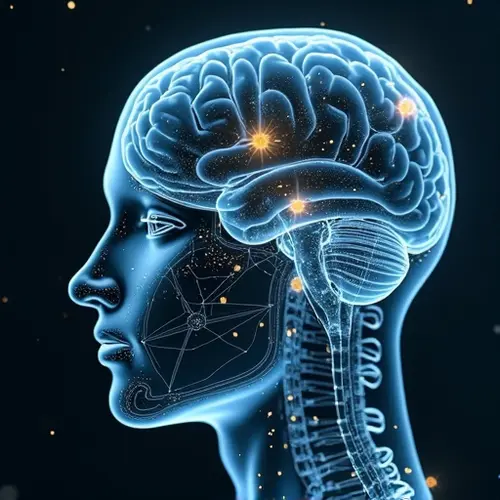
Machine learning algorithms are now identifying Alzheimer's disease up to 7 years before symptoms appear, according to breakthrough research from the University of California. By analyzing brain scans with 72% accuracy, these AI models detect subtle patterns invisible to the human eye. This advancement could transform treatment outcomes through early intervention.
How the Technology Works
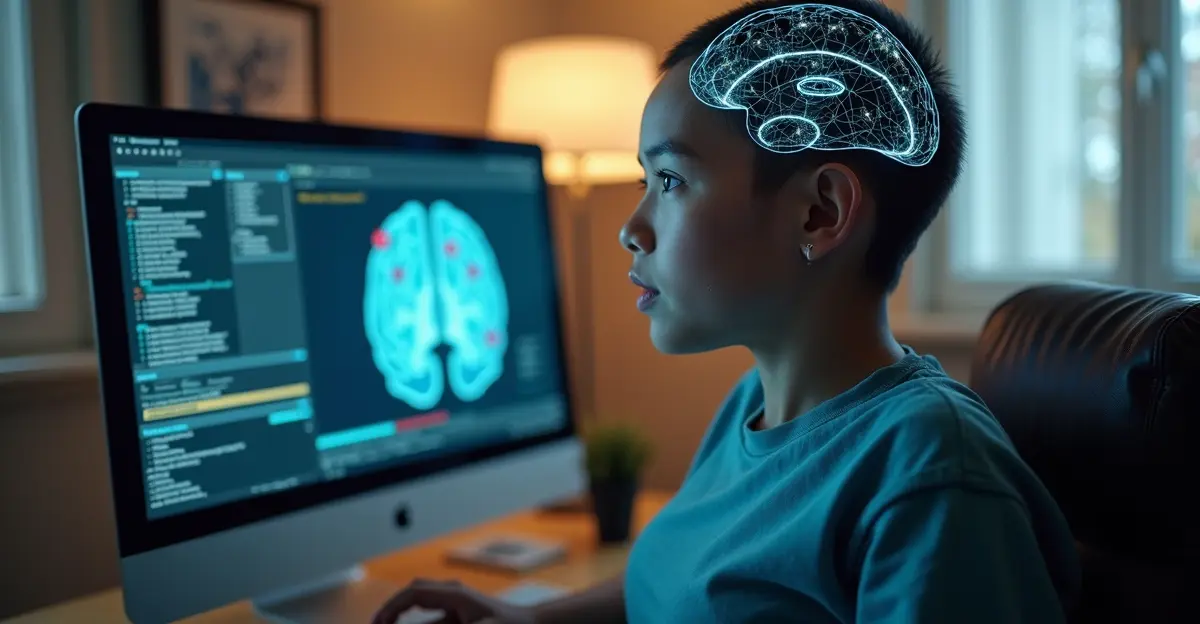
The AI systems examine MRI scans for minute changes in brain structure, focusing on amyloid plaque formation and neural pathway deterioration. Researchers trained the models using thousands of brain images from both healthy patients and those who later developed Alzheimer's. The algorithm identifies biomarkers including iron accumulation and neurofilament levels in blood, which correlate strongly with future cognitive decline.
Real-World Impact
Early detection allows for lifestyle interventions that may slow disease progression. "When we catch Alzheimer's in its preclinical phase, treatments like diet modification and cognitive exercises show significantly better results," explains Dr. Elena Rodriguez, neuroscientist at Columbia University. New FDA-approved blood tests now complement these AI diagnostics, providing accessible screening options.
Global Research Breakthroughs
Recent studies reveal surprising connections to Alzheimer's development:
- Menopausal women show elevated tau protein levels linked to synaptic dysfunction
- ADHD patients exhibit brain iron patterns similar to early Alzheimer's markers
- Herpes simplex virus may trigger amyloid plaque formation in 80% of cases
Drugs like lecanemab and donanemab slow decline by 30-60% when administered early, while graphene brain implants show promise for future neural pathway restoration.
The Road Ahead
Cambridge researchers have developed AI predicting disease progression speed with 81% accuracy. "This helps prioritize care while reducing unnecessary invasive tests," says Professor Zoe Kourtzi. The Davos Alzheimer's Collaborative is building a global clinical trial network to accelerate treatment development. With 57 million dementia cases worldwide expected to triple by 2050, these innovations offer hope for earlier interventions and improved quality of life.

Follow Discussion