


 Deutsch
 English
 Español
 Français
 Nederlands
 Português


 Share
Share




AI Achieves Medical Milestone
Artificial intelligence has officially passed the United States Medical Licensing Examination (USMLE), marking a breakthrough in healthcare technology. Both ChatGPT and Flan-PaLM demonstrated over 60% accuracy across all three exam stages, meeting the standard passing threshold. This achievement proves AI can comprehend complex medical knowledge without specialized training.
Real-World Healthcare Applications
By 2025, AI has moved beyond exams into clinical practice:
Diagnostic Assistance
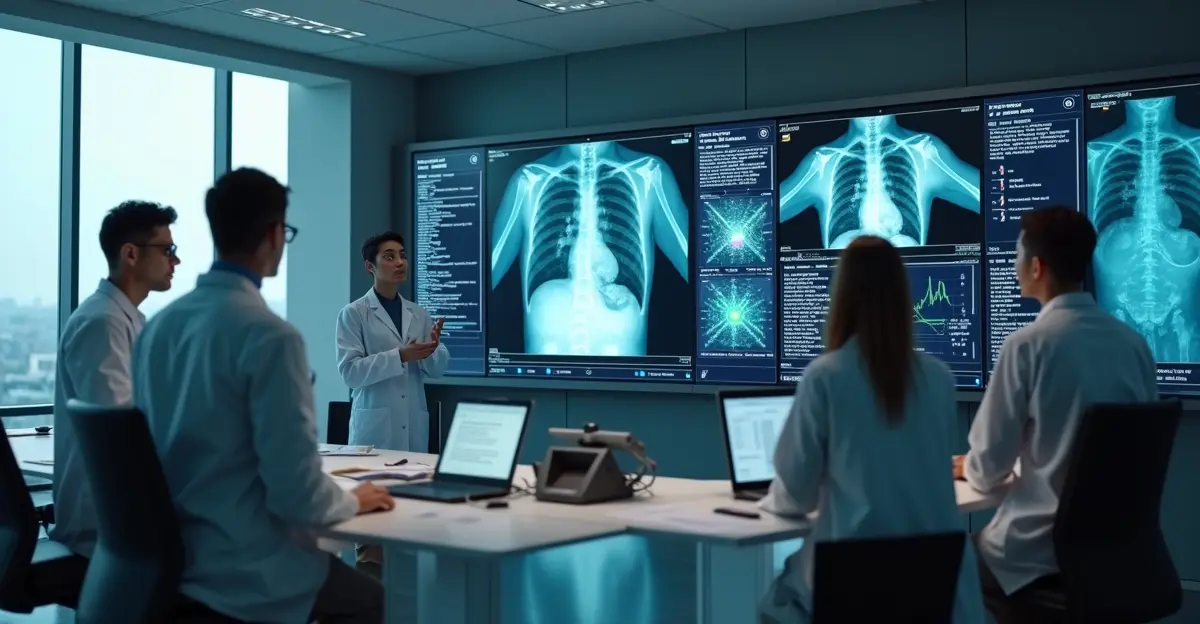
AI systems now analyze medical images with radiologist-level accuracy and flag abnormalities in electronic health records. For example, recent studies show AI reducing diagnostic errors by 32% in preliminary trials.
Personalized Treatment
Algorithms process genetic data to create customized treatment plans. Cancer centers like MD Anderson now use AI to predict drug responses based on patient DNA.
Drug Discovery Acceleration
Machine learning models have shortened drug development cycles from years to months. The new antibiotic Halicin was discovered using AI screening of molecular compounds.
Ethical Considerations
Despite progress, key challenges remain:
- Patient privacy concerns with sensitive health data
- Potential algorithmic bias in underrepresented populations
- Regulatory frameworks still catching up to technology
- Defining physician-AI collaboration boundaries
Dr. Elena Rodriguez, a bioethicist at Johns Hopkins, notes: "We need guardrails ensuring AI augments rather than replaces human judgment."
Future Outlook
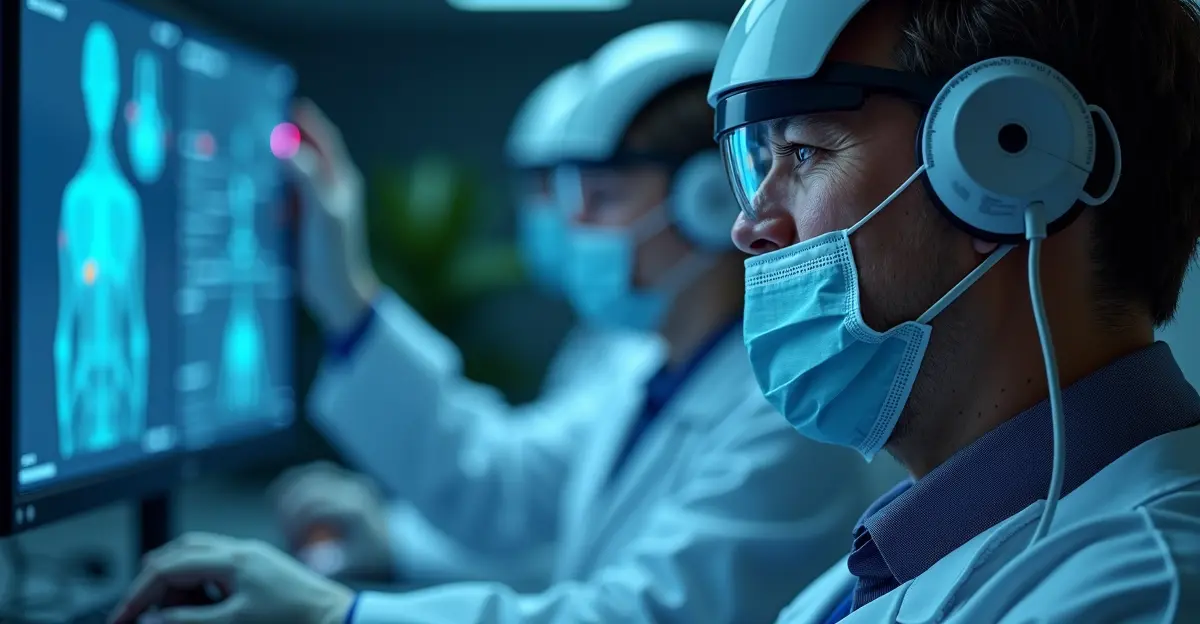
Medical schools are incorporating AI literacy into curricula, while hospitals deploy AI triage systems. The AMA recently issued guidelines for responsible clinical implementation. As AI tools evolve, they promise to expand healthcare access globally while reducing costs.



Follow Discussion