


 Deutsch
 English
 Español
 Français
 Nederlands
 Português


 Share





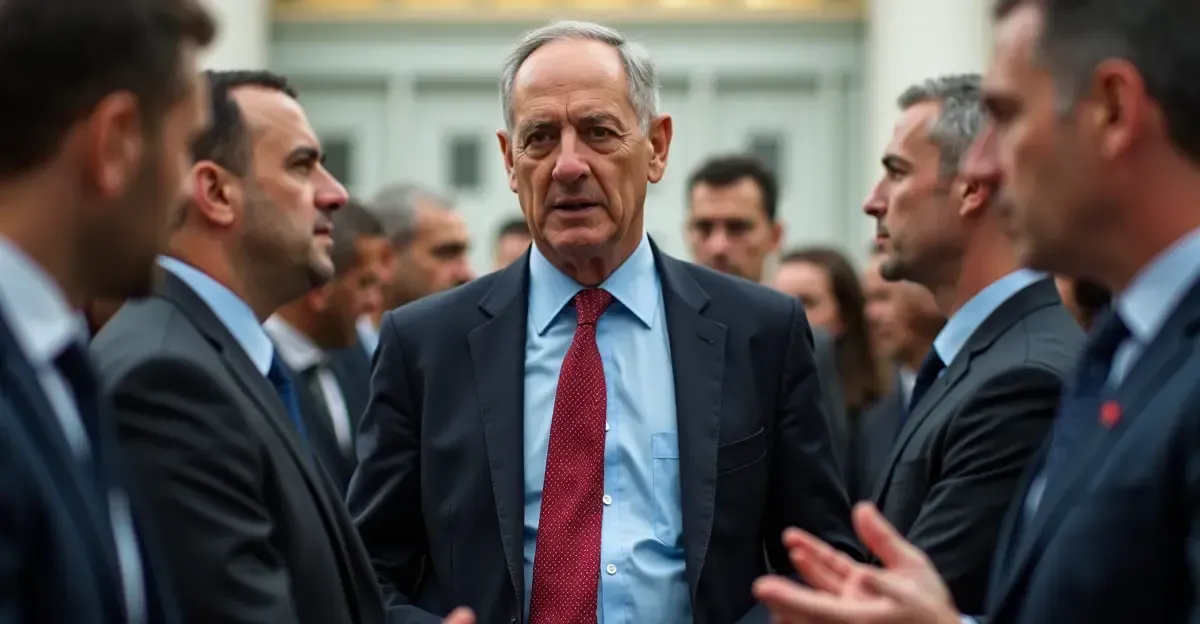
Prime Minister Benjamin Netanyahu accuses Arab Israeli parties of stealing Israel's 27 October 2026 election, a claim opposition leaders say is an orchestrated attempt to delegitimize a result that ended his coalition's parliamentary majority. Final results gave Netanyahu's Likud-led bloc 53 of 120 Knesset seats, while former military chief Gadi Eisenkot's opposition alliance took 48. Arab-led parties — the Joint List and Ra'am — won a record 19 seats, putting them at the center of upcoming coalition negotiations.
What Netanyahu and Likud Are Claiming
In the days after the vote, Netanyahu called for the Shin Bet security service to investigate alleged irregularities in Palestinian communities and warned that no “Zionist party” should cooperate with Arab-led factions. Likud said Arab-led parties “stole” the election and alleged illegal funding from Qatar and Turkey, branding the affair “Ra'amgate” and calling it an “earthquake.” According to The Guardian, the claims followed the loss of his coalition's majority after the 2026 Israeli election results were finalized.
Why Arab-Led Parties Became Kingmakers
Turnout reached 77.7%, the highest in more than two decades, and Arab participation nearly doubled compared with the previous vote. Because neither the Netanyahu bloc nor the Gadi Eisenkot opposition bloc reached the 61 seats needed for a majority, the combined 19 seats won by the Joint List and Ra'am could decide the next government.
| Political bloc | Knesset seats |
|---|---|
| Netanyahu right-religious bloc | 53 |
| Eisenkot opposition alliance | 48 |
| Arab-led Joint List and Ra'am | 19 |
No bloc controls 61 seats, leaving coalition arithmetic dependent on defections, smaller partners or unprecedented cooperation with Arab factions.
Shin Bet Probe and Official Findings
Central Elections Committee chairman Justice Noam Sohlberg directed the Shin Bet foreign interference probe to examine suspected foreign funding and vote-buying, without naming any country. Acting committee chief Dean Livne said the inquiry “does not affect the final results” and does not target any particular sector. Shin Bet stressed the probe was based on its own intelligence and warned against using an unfinished inquiry to cast suspicion on Arab voters who voted lawfully, according to The Jerusalem Post. Police found no support for the broader claim that the election was stolen, while Qatar and Turkey denied interference. Four additional suspects were arrested in a separate Ra'am vote-bribery case.
Opposition Warns of Delegitimization
Eisenkot accused Netanyahu of waging a coordinated campaign to delegitimize the results after losing, while Joint List lawmaker Yousef Jabareen called the allegations incitement and Ra'am chairman Mansour Abbas denied any wrongdoing. President Isaac Herzog criticized “tarnishing an entire community,” and Arab party leaders dismissed the claims as a “blood libel.” The dispute is unfolding days after the election and ahead of coalition negotiations, making it central to whether Israel's next government can be formed and whether the result is accepted.
What Comes Next
President Herzog is expected to consult party factions and select a candidate to form a government. Under Section 86 of the Knesset elections law, only a court can annul the result, and only if irregularities could have changed the outcome. Coalition talks could last weeks or months; if no government emerges, Israel may face another election. The stolen-election allegations have already become a defining test of whether the result is accepted and whether opposition parties can govern.
FAQ
What did Netanyahu accuse Arab Israeli parties of doing?
He alleged that Arab-led parties used foreign funding, mainly from Qatar and Turkey, to “steal” the election and called for a Shin Bet investigation into voting in Arab communities.
Did Shin Bet find evidence of foreign interference?
No final findings have been released. Shin Bet said the limited probe was based on its own intelligence and warned against conclusions, while police found no support for the broader stolen-election claim.
Can the 2026 election result be overturned?
Only a court can annul the result under Section 86 of the Knesset Elections Law, and only if proven irregularities could have changed the outcome. The elections committee said the probe does not affect the final results.
Why are Arab-led parties considered kingmakers?
Because neither the Netanyahu bloc nor the opposition reached 61 seats. The 19 Arab-led seats are enough to give either side a majority if political barriers to cooperation are overcome.
What happens next?
President Isaac Herzog will consult party leaders and choose a candidate to attempt coalition-building, a process that could take weeks or months.
Conclusion
The allegations have shifted the post-election battle from coalition arithmetic to a dispute over the legitimacy of the vote itself. Whether Israel forms a government now depends not only on numbers but on whether Netanyahu's claims persuade enough lawmakers to block cooperation with Arab-led parties — or whether the official findings defuse the crisis.




Follow Discussion