


 Deutsch
 English
 Español
 Français
 Nederlands
 Português


 Share
Share




South Africa's Supreme Court of Appeal (SCA) has ruled that the family of former Zambian President Edgar Lungu may bury his remains in South Africa, overturning a lower court order that had authorized repatriation to Zambia for a state funeral. The landmark judgment, delivered on 23 June 2026, brings to a close a year-long legal battle over the final resting place of the late leader, who died on 5 June 2025 at age 68 while receiving treatment for terminal oesophageal cancer in Pretoria.
Background to the Burial Dispute
Edgar Chagwa Lungu served as Zambia's sixth president from January 2015 to August 2021, when he was defeated by long-time political rival Hakainde Hichilema in the 2021 general election. After leaving office, Lungu remained in Zambia but relations with the Hichilema administration deteriorated. According to court papers filed by his widow, Esther Lungu, the former president faced what the family described as mistreatment, including removal from flights, travel restrictions, and withdrawal of state benefits. From at least September 2023, Lungu reportedly viewed himself as persona non grata in his home country.
When Lungu died in a South African hospital, a dispute immediately arose. The Zambian government demanded repatriation of the body for burial at the Embassy Memorial Park in Lusaka, where all presidents since independence in 1964 have mausoleums. However, the family insisted that Lungu had repeatedly expressed his wish that President Hichilema and the Zambian government should not be involved in his funeral arrangements.
Legal Battle in South African Courts
The Zambian government approached the Gauteng High Court in Pretoria, which in 2025 ruled in favor of repatriation, stating that "the wishes of Lungu do not outweigh the public interest." The body was ordered to be handed over to Zambian authorities. However, the family appealed, and the SCA heard the matter in early 2026.
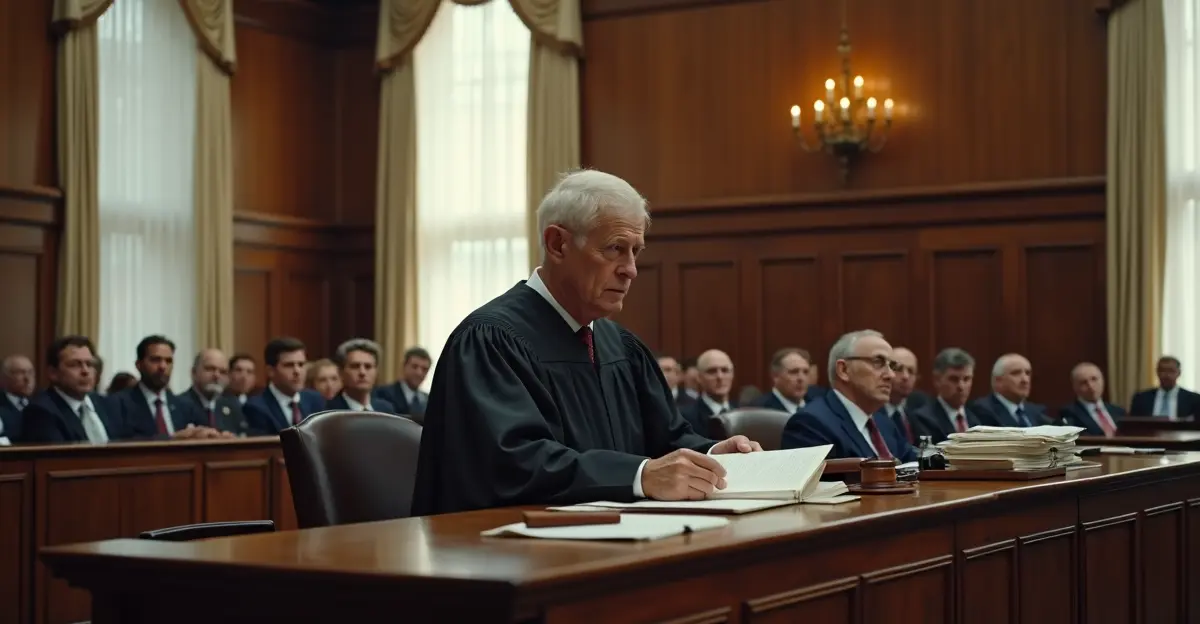
In a majority judgment written by Judge Raylene Keightley, the SCA overturned the High Court decision. The court found that South African constitutional principles protecting dignity, privacy, and family autonomy, along with common law recognizing the rights of next of kin, favored the family's position. The judgment emphasized that a family's right to decide on a loved one's burial falls within the "inner sanctum of family life" and is protected under the right to privacy and dignity.
The court noted that the Zambian government failed to establish a binding agreement with the family regarding a state funeral. Evidence pointed to ongoing negotiations rather than a finalized deal. A dissenting judgment argued that a binding agreement did exist between the family and the Zambian government.
Family Reaction and Next Steps
Family spokesperson Makebi Zulu welcomed the ruling, calling it a vindication of the rule of law. "The family will soon announce burial plans and urges all parties to respect the court's decision and allow them space and peace to proceed according to the law and the late president's wishes," Zulu said. The Zambian government has confirmed it will not appeal further, ending the legal saga.
The case highlights the tension between state interests and family autonomy in burial arrangements, particularly for former heads of state. It also underscores the deep political rift between Lungu and Hichilema, which persisted beyond Lungu's presidency and death. The 2021 Zambian election that brought Hichilema to power was bitterly contested, and the rivalry continued to shape events even after Lungu's passing.
Implications and Analysis
Legal experts say the ruling reinforces the primacy of family rights under South African law, even when dealing with foreign heads of state. The court's reference to ubuntu—the Nguni philosophy of human interconnectedness—underscores the cultural and constitutional weight given to family decision-making in death matters.
Political analysts note that the dispute reflects broader challenges in Zambia's democratic transition. The Hichilema presidency has focused on anti-corruption and economic reform, but relations with Lungu's Patriotic Front party remain strained. The burial controversy became a proxy for ongoing political tensions.
Frequently Asked Questions
Why did Edgar Lungu want to be buried in South Africa?
According to his widow Esther Lungu, the former president repeatedly stated he did not want President Hakainde Hichilema or the Zambian government involved in his funeral, citing mistreatment after leaving office. He viewed himself as persona non grata in Zambia from at least September 2023.
What was the Zambian government's argument?
Zambia argued that Lungu, as a former president, deserved a state burial at the Embassy Memorial Park in Lusaka alongside all other former presidents since independence. The government claimed a binding agreement existed with the family for repatriation.
What did the Supreme Court of Appeal decide?
The SCA overturned the High Court's repatriation order, ruling that the family's constitutional rights to dignity, privacy, and family autonomy outweighed the state's interest. The court found no binding agreement existed and that South African law recognizes the next of kin's right to decide burial arrangements.
Can the Zambian government appeal further?
No. Zambia has confirmed it will not appeal the SCA ruling, which is final. The family will now proceed with burial plans in South Africa.
When did Edgar Lungu die and what was the cause?
Edgar Lungu died on 5 June 2025 at age 68 in Pretoria, South Africa, while undergoing treatment for terminal oesophageal cancer.

Follow Discussion