Nederlands
 English
 Deutsch
 Français
 Español
 Português





Meloni's Angelic Likeness Sparks Vatican Intervention
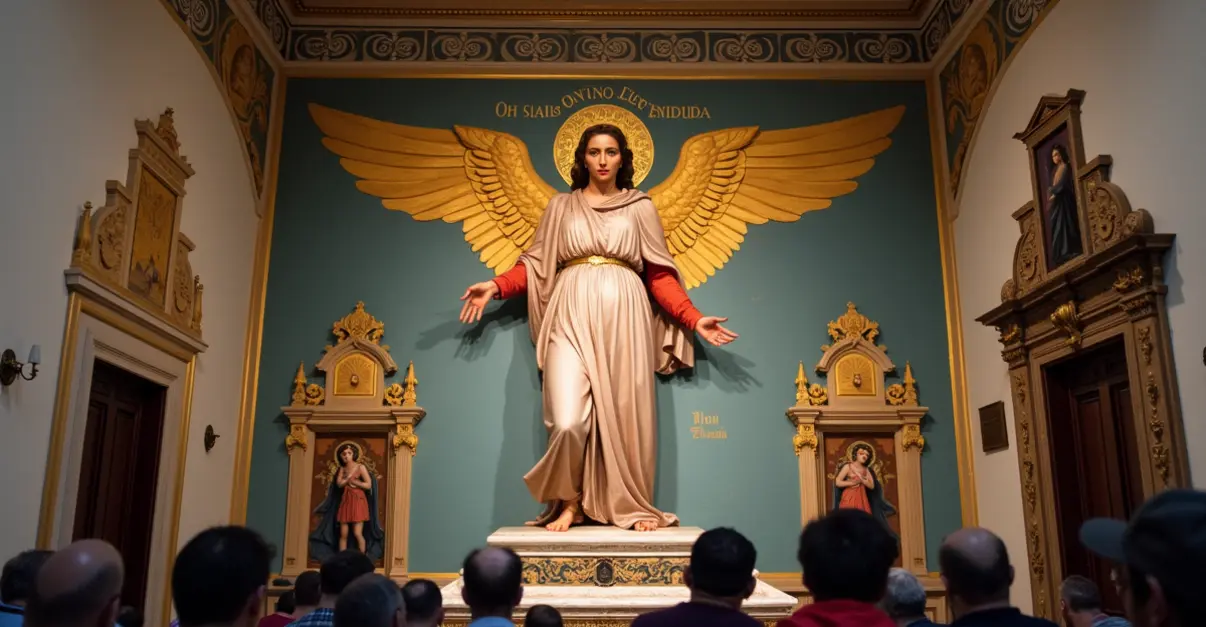
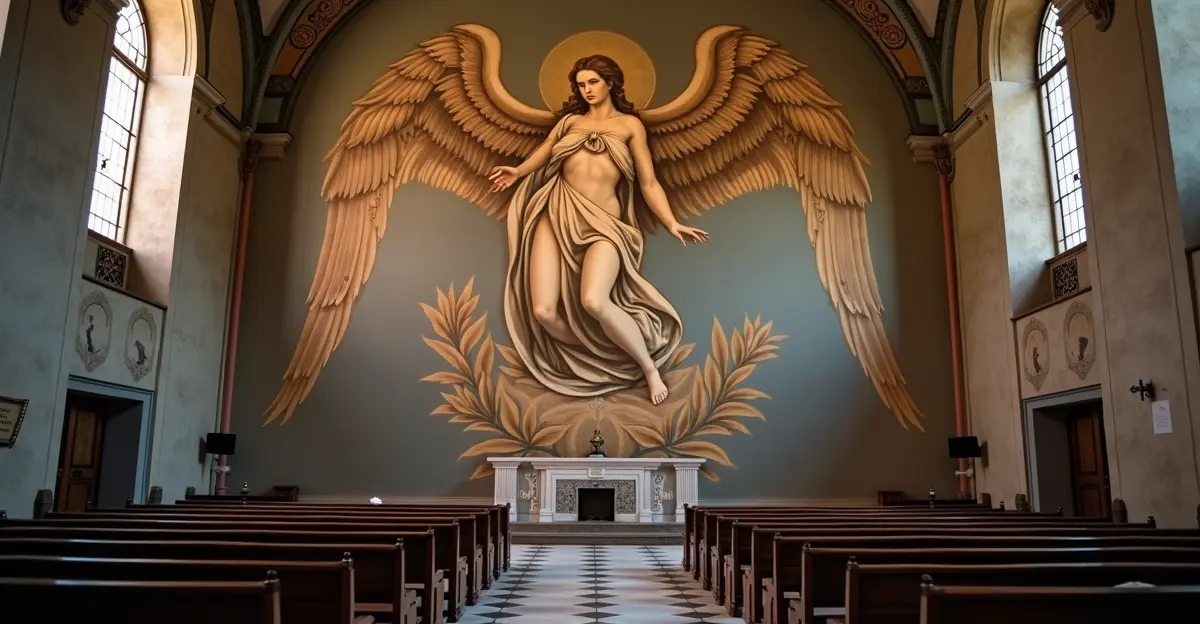
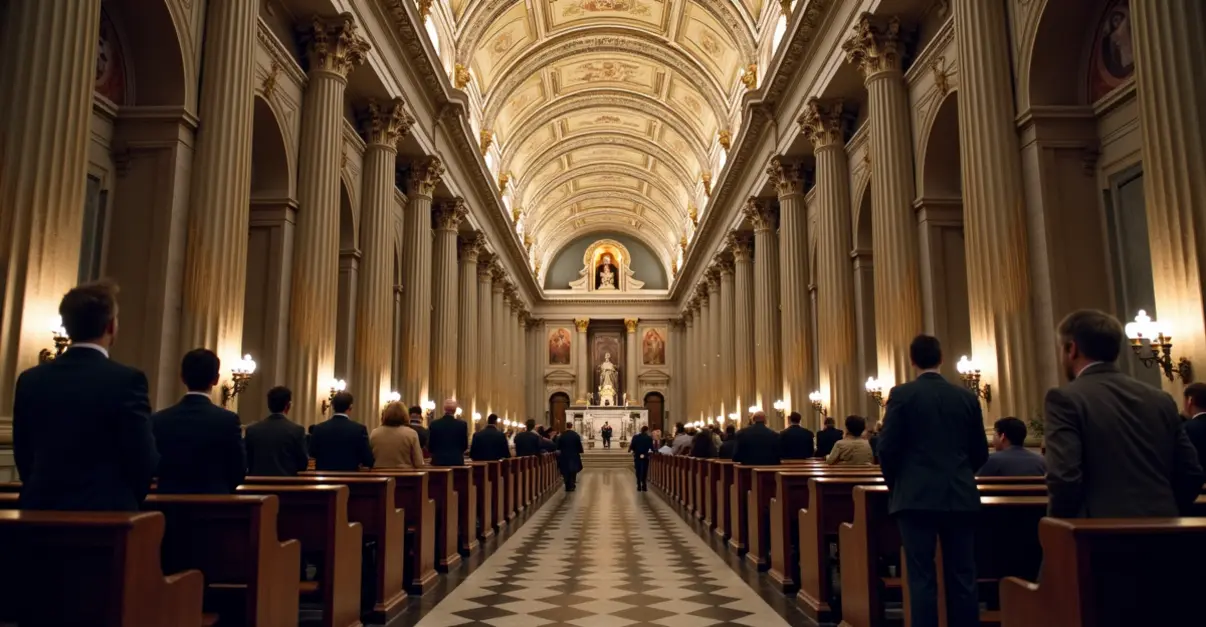
In a bizarre art controversy that has captivated Italy, a restored fresco in Rome's historic Basilica of Saint Lawrence in Lucina has been scrubbed clean after Vatican intervention. The 83-year-old artist Bruno Valentinetti had painted an angel bearing an uncanny resemblance to Italian Prime Minister Giorgia Meloni during restoration work, creating what locals dubbed the 'Meloni Chapel.'
The fresco, originally painted by Valentinetti around the year 2000 in the Chapel of the Holy Souls in Purgatory, underwent restoration after water damage. However, when the work was completed in December 2025, visitors noticed the cherub now sported facial features strikingly similar to Italy's right-wing leader. 'Even a child can see it was a copy,' said Italy expert Donatello Piras, quoted in the original BNR report.
From Denial to Confession
Valentinetti initially denied any intentional resemblance, claiming he simply restored his original painting. 'She might resemble her a little bit from afar,' was how Piras described the artist's defense. However, as reported by The Guardian, Valentinetti later confessed to deliberately making the angel look like Meloni.
The controversy escalated when the Diocese of Rome expressed disappointment, with Cardinal Baldassare Reina stating that 'sacred art cannot be misused.' According to BBC coverage, the Vatican reportedly ordered the painting to be covered up, leading to the face being scrubbed out overnight after the church closed to visitors.
Political and Cultural Fallout
The incident prompted investigations by both Italy's Ministry of Culture and the Diocese of Rome. Culture Minister Alessandro Giuli ordered an inquiry to determine if the restorer intentionally added Meloni's face, as CNN reported. Opposition parties called the situation unacceptable, warning against art becoming political propaganda.
Meloni herself responded with characteristic humor on Instagram, posting: 'No, I definitely don't look like an angel.' The Prime Minister, who became Italy's first female leader in 2022, has been a polarizing figure in Italian politics since taking office.
'Typically Italian' Bureaucratic Drama
According to Italy expert Donatello Piras, the entire episode represents something quintessentially Italian. 'It starts with something small, then more people get involved, and it's determined that multiple rules have been broken and various authorities haven't performed their checks,' he explained. 'It's very Italian to then get angry about it and add yet another rule or authority.'
The basilica, one of Rome's oldest churches dating to the 4th century, saw an unusual influx of visitors wanting to see the controversial fresco rather than pray, disrupting regular religious services.
Restoration and Resolution
The plan now is to restore the fresco to its original state before Valentinetti's controversial intervention. Because the fresco is relatively young (created around 2000), archivists are searching for photographs to establish the correct version. 'Then the dust will have to settle,' noted Piras.
It remains unclear whether Valentinetti will be allowed to paint the new face or if the task will be given to someone else. 'It would be logical and also fair if he gets to do it himself, so he doesn't end up permanently in the dock,' Piras suggested.
The incident has raised broader questions about the intersection of politics, art, and religion in Italy, a country with deep Catholic traditions and a history of political figures influencing cultural expression. As investigations continue, the white spot on the fresco serves as a blank canvas for Italy's ongoing debates about power, representation, and the boundaries of artistic expression in sacred spaces.