


 Deutsch
 English
 Español
 Français
 Nederlands
 Português


 Share
Share




Budget Crisis Meets Moral Dilemma in Washington
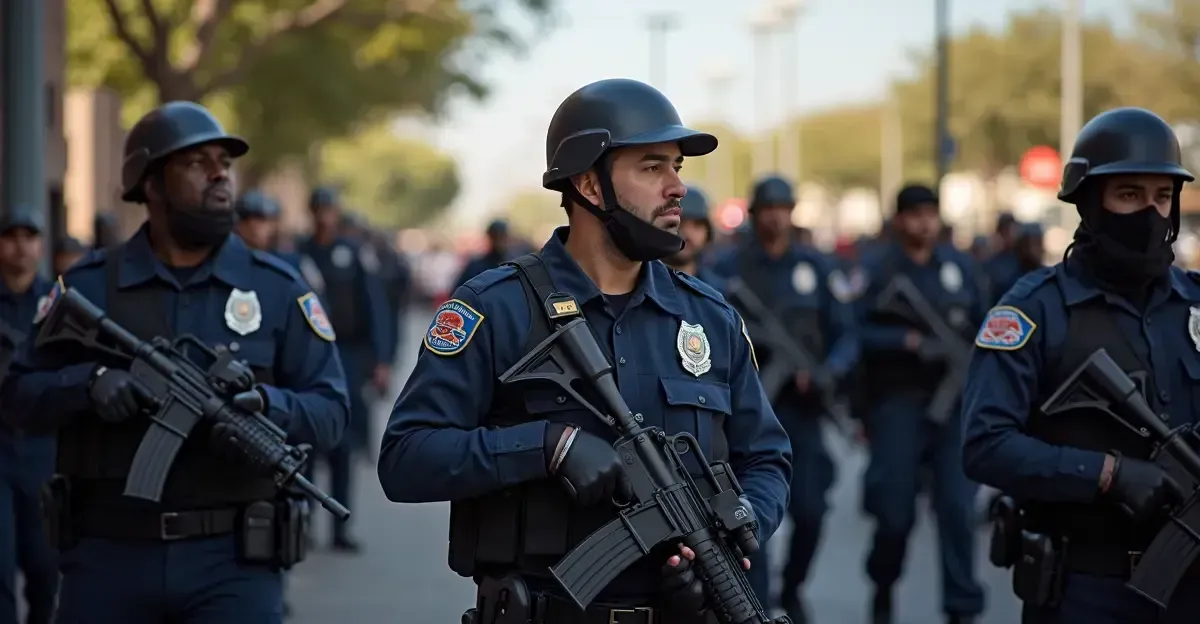
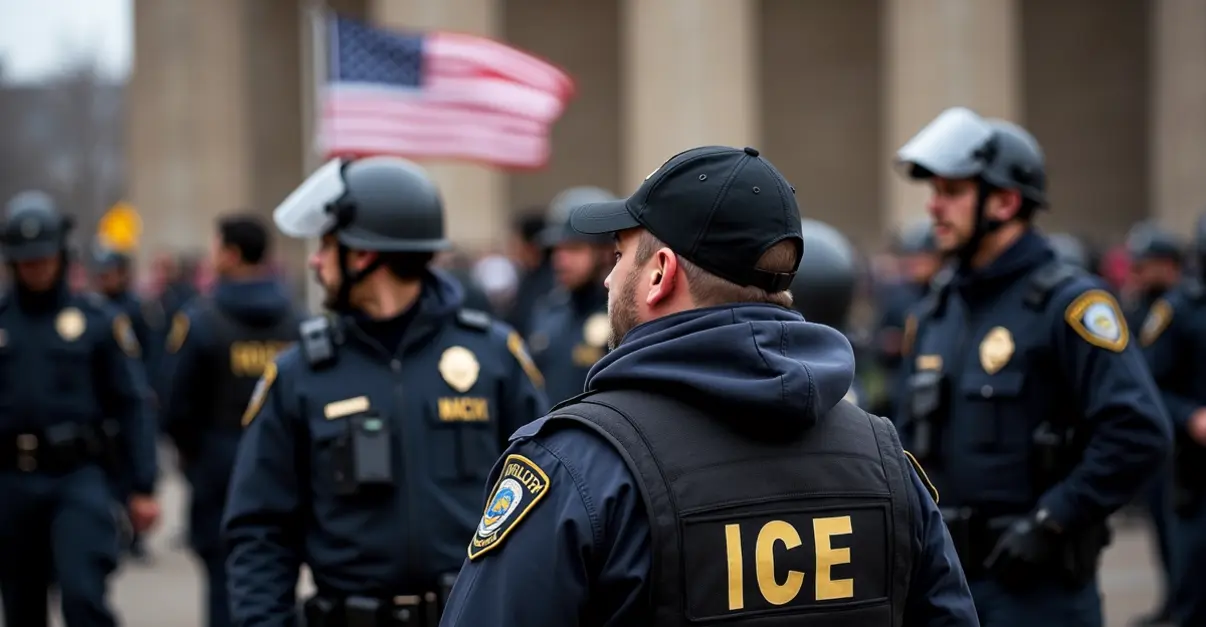
The United States faces another potential government shutdown this week as deep divisions within the Republican Party over recent Immigration and Customs Enforcement (ICE) shootings threaten to derail critical budget negotiations. The political crisis stems from the fatal shootings of two protesters in Minneapolis earlier this month, which have sparked nationwide protests and created an unprecedented rift within the GOP.
Protests and Political Pressure
Outside a Target store in Washington D.C., demonstrators chant 'We want justice, we want peace, we want ICE off our streets'. The protests, organized by groups like the Boycott Target DC Coalition, target both federal immigration enforcement and corporations they accuse of cooperating with ICE operations. 'We will no longer accept what is happening in Minneapolis and across the country,' says coalition leader Dante O'Hara. 'Whether you're politically active or not, there's a collective hell no feeling.'
The Minneapolis incidents have triggered what some are calling the first general strike in the United States in 80 years, with tens of thousands participating in subzero temperatures according to Wikipedia records. The strike was organized by labor unions and community groups following the January 7 shooting of American citizen Renée Good by ICE agent Jonathan Ross.
Republican Party Fractures
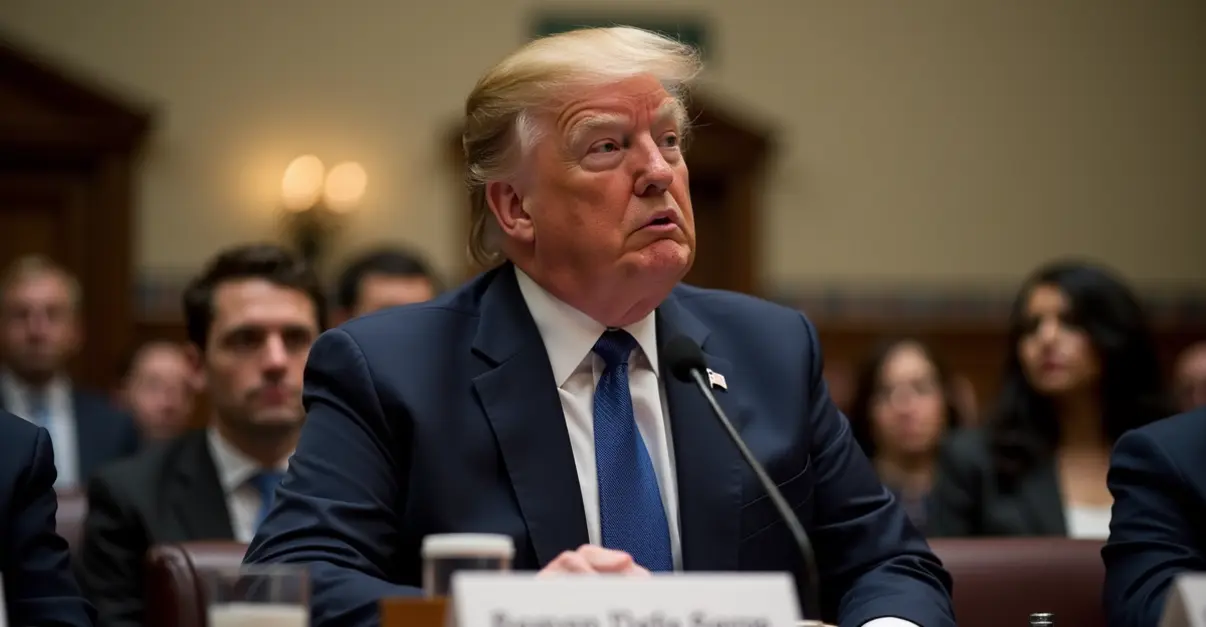
Inside the Capitol, Republican unity is crumbling. Senator Lisa Murkowski of Alaska publicly declared that 'legally carrying a firearm can never justify federal agents killing an American, certainly not when that person was demonstrably disarmed'. Her statement represents a significant break from the White House narrative that the shootings were acts of self-defense.
According to Forbes reporting, Republican criticism is growing with multiple senators calling for investigations and even demanding Homeland Security Secretary Kristi Noem's removal. The backlash focuses on what lawmakers describe as premature characterization of victim Alex Pretti as a 'domestic terrorist' before all facts were known.
Shutdown Deadline Approaches
Senator Susan Collins of Maine, chair of the Senate Budget Committee, finds herself in an impossible position. She must shepherd six funding bills through Congress while Democrats refuse to approve additional ICE funding without major reforms. 'It's starting to turn against us,' one administration official told Politico, acknowledging the shifting political winds.
Democrats are demanding enforceable codes of conduct for ICE agents, including requirements to remove masks, wear body cameras, show proper identification, and coordinate with local law enforcement. Senate Democratic leader Chuck Schumer has called this a 'moral moment' that requires congressional action.
Political Consequences and Public Opinion
A recent YouGov poll shows 19% of Republican voters now support abolishing ICE, up from just 9% in June 2025. This shift comes as the agency has become the largest federal law enforcement agency in U.S. history following the passage of the One Big Beautiful Bill Act in 2025.
The White House has taken some conciliatory steps, pulling controversial Border Patrol commander Gregory Bovino from Minneapolis and placing two shooting officers on leave. However, with a January 30 deadline looming, lawmakers have limited time to reach agreement. Last year's shutdown lasted nearly six weeks—a record that neither party wants to repeat.
As Congress races against the clock, the question remains whether Republican divisions over immigration enforcement will lead to a government shutdown or force a fundamental reevaluation of ICE's role in American society.


Follow Discussion