


 Deutsch
 English
 Español
 Français
 Nederlands
 Português


 Share
Share




Partial Government Shutdown Hits US Despite Senate Agreement
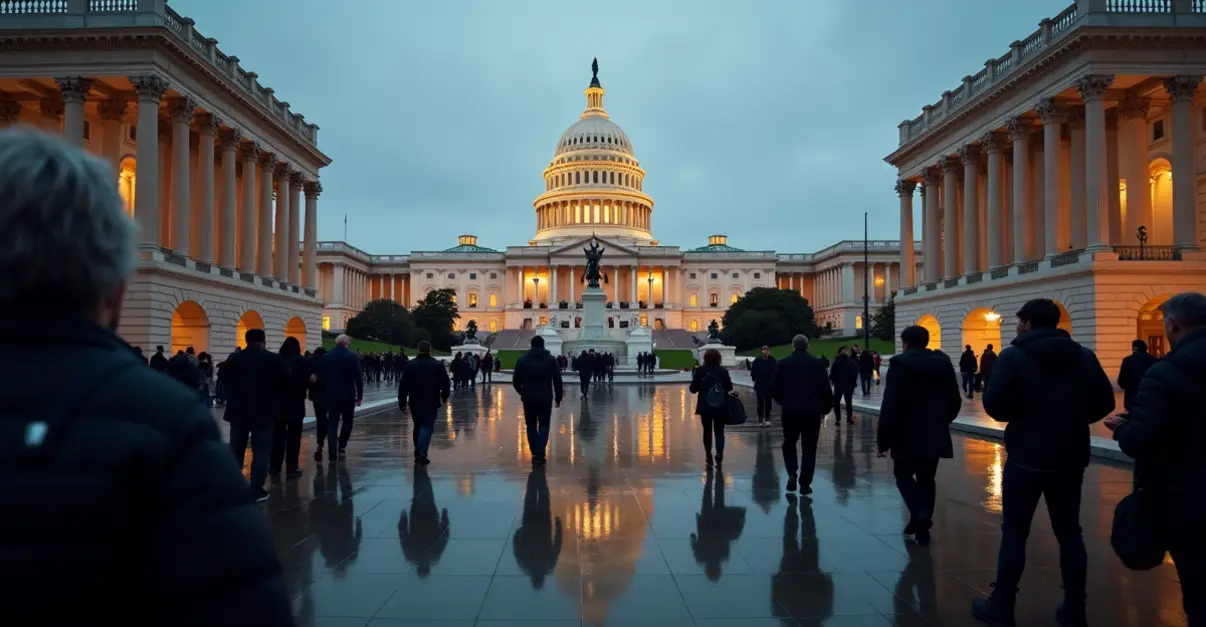
The United States government entered a partial shutdown early Saturday morning, despite the Senate reaching a last-minute funding agreement just hours before the midnight Friday deadline. While the Senate approved a comprehensive funding package by a 71-29 vote, the House of Representatives was unable to vote on the legislation before members left Washington for the weekend, triggering the shutdown.
Senate Deal Reached, House Delayed
The Senate's bipartisan agreement included funding for five major departments through September and a critical two-week stopgap measure for the Department of Homeland Security (DHS). This temporary DHS funding was designed to allow additional time for negotiations on immigration enforcement reforms, which have become a central point of contention following two fatal shootings by federal immigration officers in Minneapolis.
'We have a deal that keeps the government open while we work on meaningful immigration reforms,' said Senate Majority Leader Chuck Schumer during a late-night press conference. 'It's unfortunate the House couldn't act in time, but we expect this shutdown to be brief.'
Immigration Enforcement at Center of Dispute
The shutdown stems directly from Democratic demands for immigration policy changes following the deaths of Renee Good and Alex Pretti, both killed in separate incidents involving Immigration and Customs Enforcement (ICE) agents in Minneapolis. Citizen-shot videos of the shootings have circulated widely, reaching 82% of registered voters according to a Quinnipiac poll and fueling bipartisan concern about ICE enforcement tactics.
Democrats are pushing for several key reforms, including mandatory body cameras for ICE agents, clearer identification requirements, restrictions on mobile patrols, and requirements for judicial warrants rather than administrative warrants for home searches. 'These are common-sense reforms that will save lives and restore trust,' said Senator Brian Schatz, who helped broker the Senate deal.
Economic Impact and Historical Context
While this shutdown is expected to be brief, with the House scheduled to return Monday to vote on the Senate package, even short shutdowns have economic consequences. According to Congressional Research Service analysis, each week of shutdown could reduce quarterly GDP by 0.15%, and affects approximately 1.4 million federal workers.
The United States has experienced 11 funding gaps leading to shutdowns since 1980, with the most significant being the 43-day shutdown that began in October 2025 during President Trump's second term. That shutdown reportedly cost the economy $11 billion, though much of that was recovered when backpay was distributed to furloughed workers.
What Happens Next
House Speaker Mike Johnson has indicated he will support the Senate-passed deal, particularly after President Trump expressed his backing for the package. However, Johnson faces challenges with his razor-thin majority and potential opposition from conservative members who want stronger immigration enforcement provisions.
Most federal offices are closed on weekends, which may limit the immediate impact of the shutdown. Essential services including national security, air traffic control, and border protection continue operating, while non-essential employees are furloughed without pay until funding is restored.
'We're optimistic the House will act quickly on Monday,' said White House Press Secretary Karine Jean-Pierre. 'This shutdown was avoidable, and we expect it to be short-lived.'

Follow Discussion