


 Deutsch
 English
 Español
 Français
 Nederlands
 Português


 Share
Share




Congress Reaches Deal to End Partial Government Shutdown
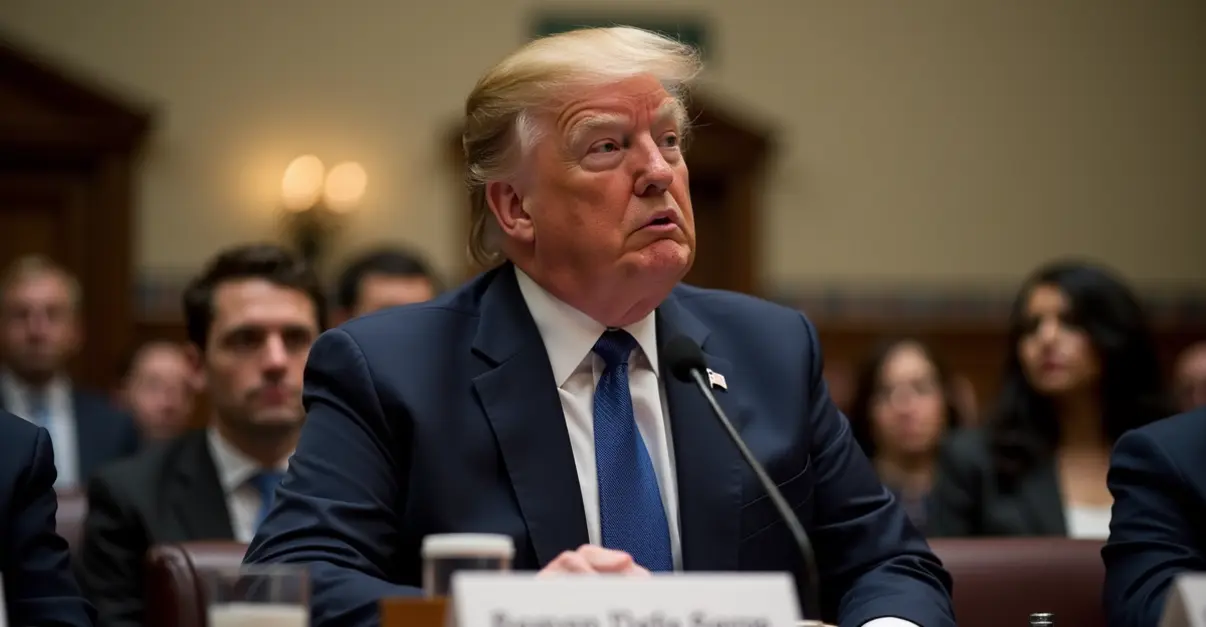
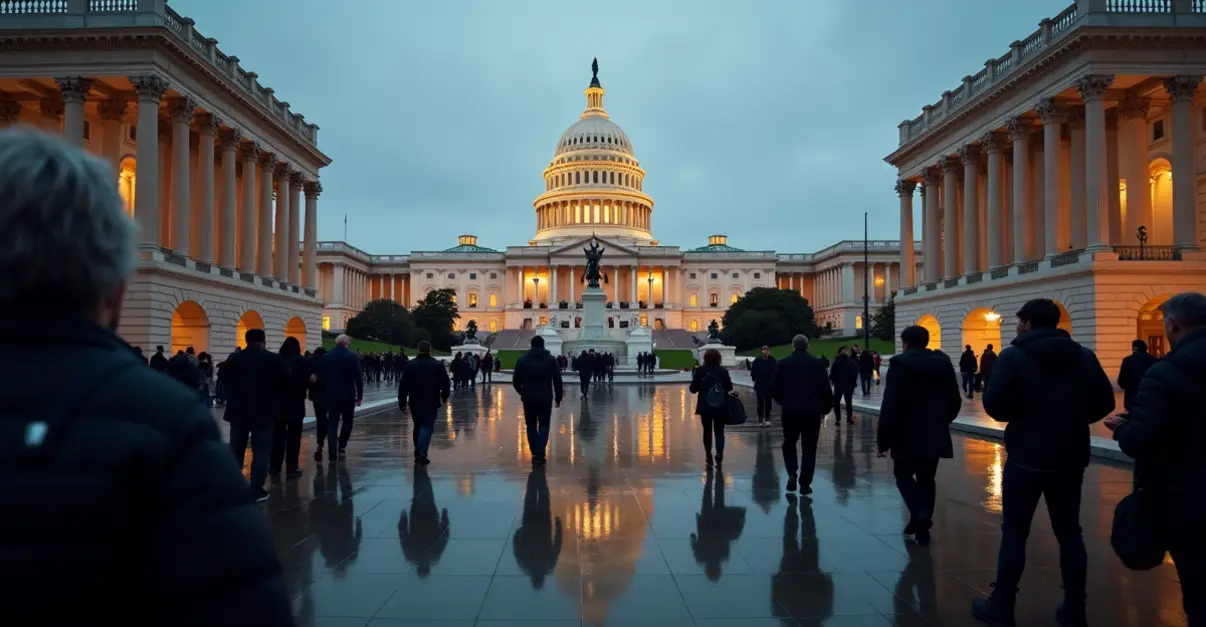
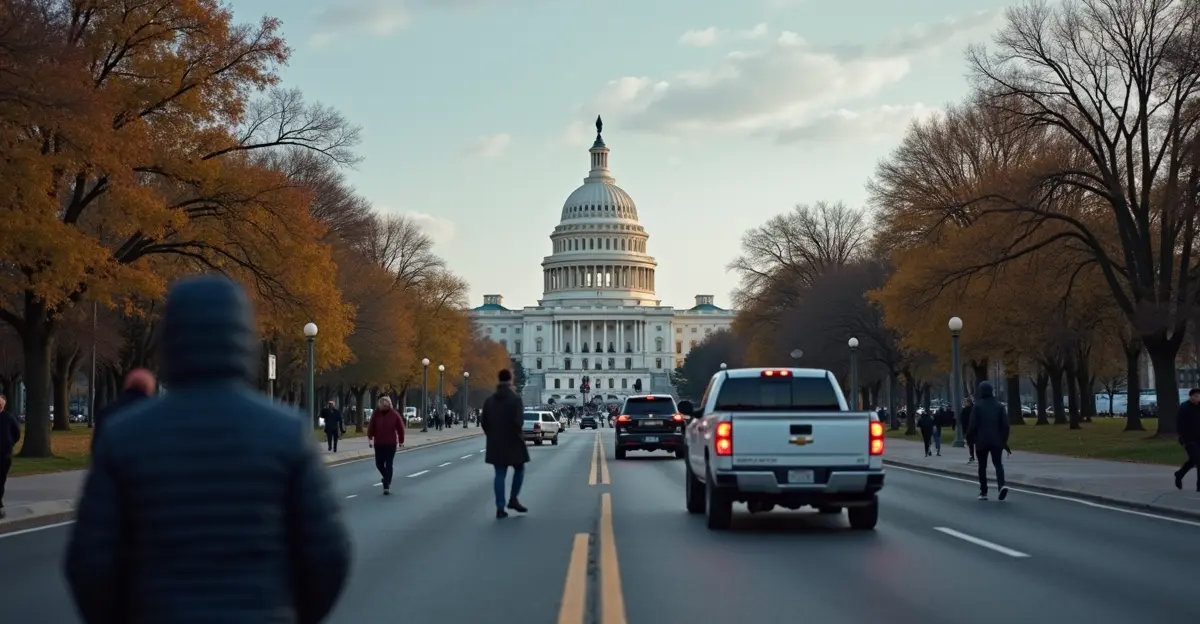
After days of tense negotiations and political brinkmanship, the United States Congress has approved a massive $1.2 trillion spending package that ends the partial government shutdown that began over the weekend. The House of Representatives passed the legislation with a narrow 217-214 vote, followed by Senate approval, and President Donald Trump signed the bill into law late Tuesday night.
The bipartisan agreement funds most federal agencies through September 30, 2026, the end of the fiscal year, but includes a critical compromise: the Department of Homeland Security (DHS) receives only two weeks of temporary funding through February 13. This sets up another potential showdown over immigration policy in the coming days.
Political Showdown Over ICE Funding
The shutdown centered on Democratic demands for reforms to Immigration and Customs Enforcement (ICE) operations. Democrats have been pushing for significant changes, including requiring ICE agents to wear body cameras, ending roving patrols, and implementing judicial warrant requirements for certain operations.
House Speaker Mike Johnson faced a difficult balancing act, needing to secure near-unanimous Republican support while navigating Democratic demands. 'We cannot have changes at this time,' President Trump said in a social media post urging Republican unity. 'The government shutdown must be reversed as quickly as possible, and I hope all Republicans and Democrats support this bill like I do.'
Johnson managed to secure the necessary votes after intense lobbying. 'This gives us the breathing room we need to have serious negotiations about ICE reforms,' said a senior Democratic aide familiar with the negotiations.
Economic Impact and Historical Context
This marks the second government shutdown in just a few months, following the record 43-day shutdown in late 2025 that cost the U.S. economy an estimated $11 billion according to Al Jazeera's analysis. That shutdown was the longest in U.S. history and resulted in the furlough of approximately 900,000 federal employees.
The Congressional Budget Office has warned that even short shutdowns can have significant economic consequences, disrupting government services, delaying economic data releases, and reducing consumer confidence. The recent CBO report highlighted how shutdowns create uncertainty that can ripple through the broader economy.
What Comes Next
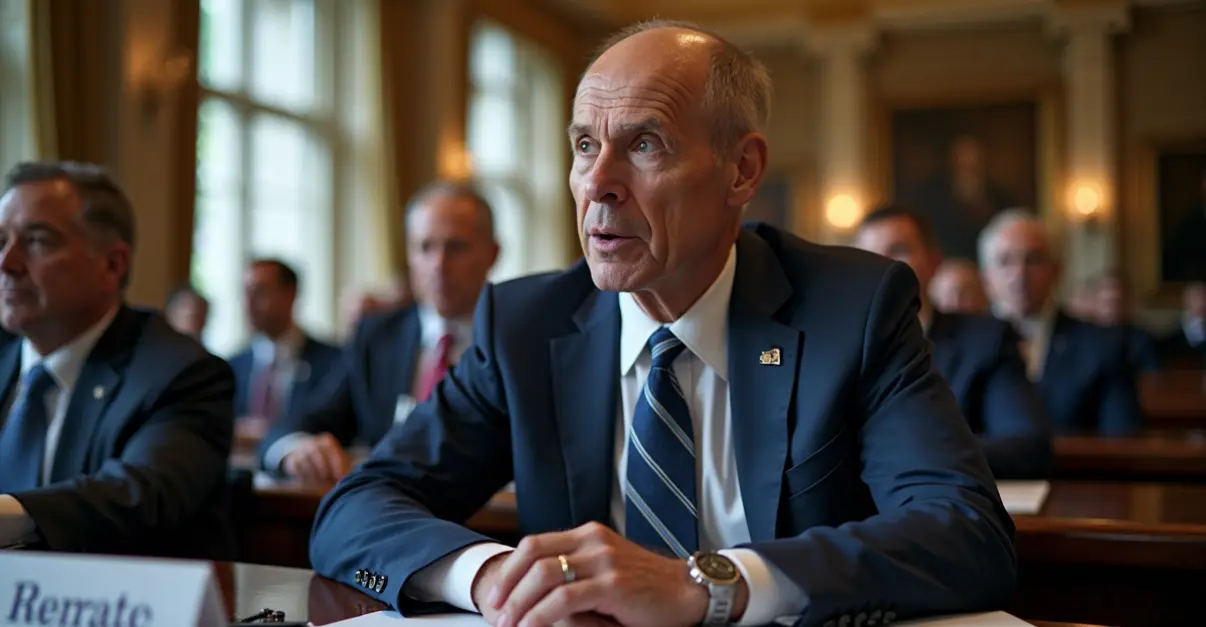
With the immediate crisis averted, attention now turns to the two-week deadline for DHS funding. Democrats have made clear they will continue pushing for ICE reforms during this period. 'This is just a temporary reprieve,' said House Democratic Leader Hakeem Jeffries. 'We need substantive changes to ensure immigration enforcement is conducted fairly and transparently.'
Republicans, meanwhile, are celebrating the avoidance of a prolonged shutdown. 'We kept the government open while protecting our border security priorities,' said Speaker Johnson in a statement after the vote.
The compromise bill represents classic Washington deal-making: kick the most contentious issue down the road while funding everything else. Whether this approach leads to meaningful immigration reform or simply sets up another shutdown in two weeks remains to be seen.


Follow Discussion