


 Deutsch
 English
 Español
 Français
 Nederlands
 Português


 Share
Share




Federal Agent Shoots Venezuelan Migrant in Leg During Minneapolis Operation
In a tense escalation of immigration enforcement tensions, a federal Immigration and Customs Enforcement (ICE) agent shot a Venezuelan man in the leg during an operation in Minneapolis on January 15, 2026. The incident occurred during what the Department of Homeland Security described as a traffic stop, where the man was being detained for illegal presence in the United States.
According to DHS officials, the situation escalated when the man fled on foot and a struggle ensued. 'Other subjects joined the attack with a snow shovel and broom handle, forcing the officer to fire defensive shots because he feared for his life,' the department stated on social media. Both the agent and the wounded man were hospitalized, with the victim sustaining non-life-threatening injuries according to Minneapolis city officials.
Protests Erupt Following Second ICE Shooting in a Week
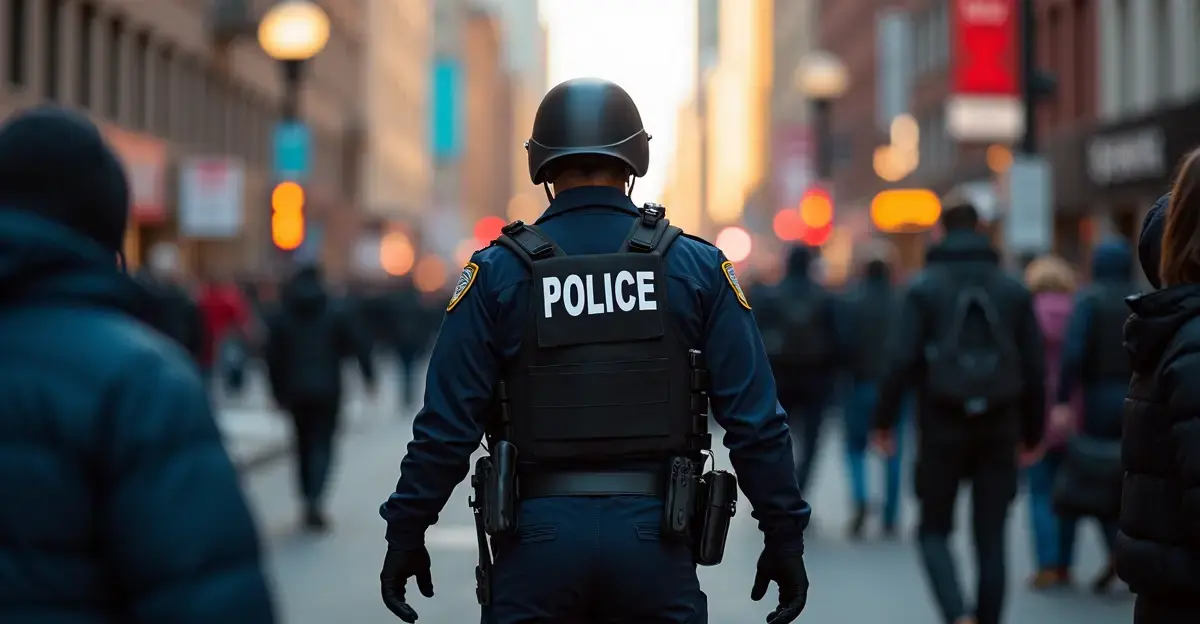
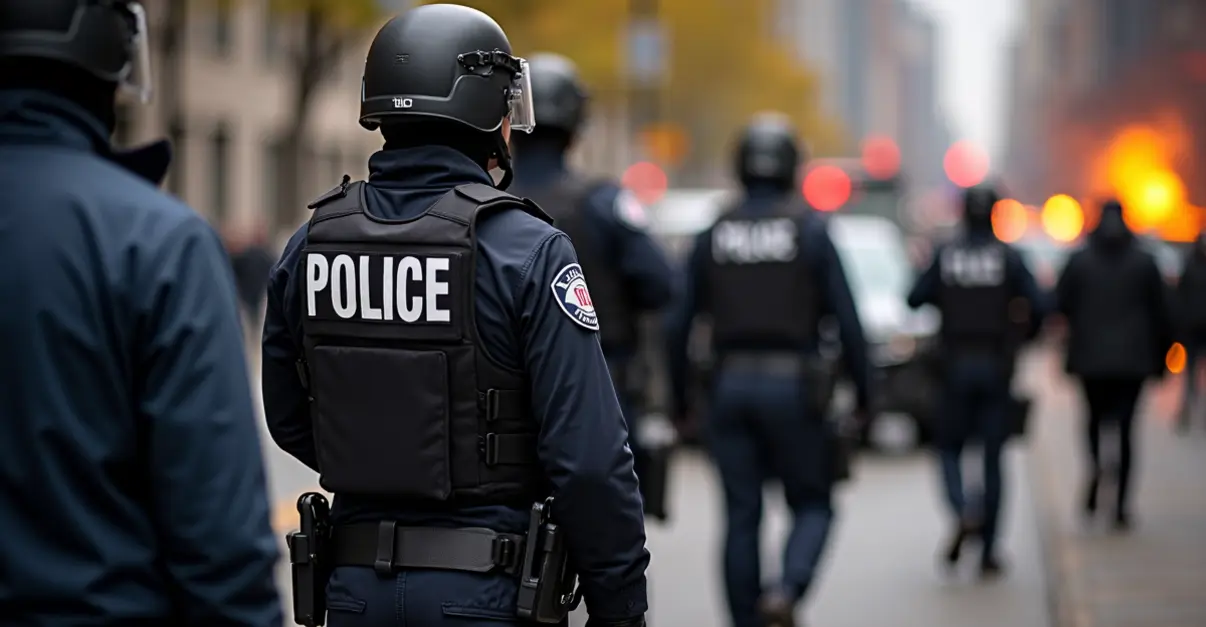
The shooting sparked immediate protests in Minneapolis, with hundreds taking to the streets in response to what many see as escalating federal overreach. Police deployed tear gas to disperse crowds as tensions mounted. This marks the second high-profile ICE-involved shooting in Minneapolis within a week, following the fatal shooting of 37-year-old Renee Good on January 7.
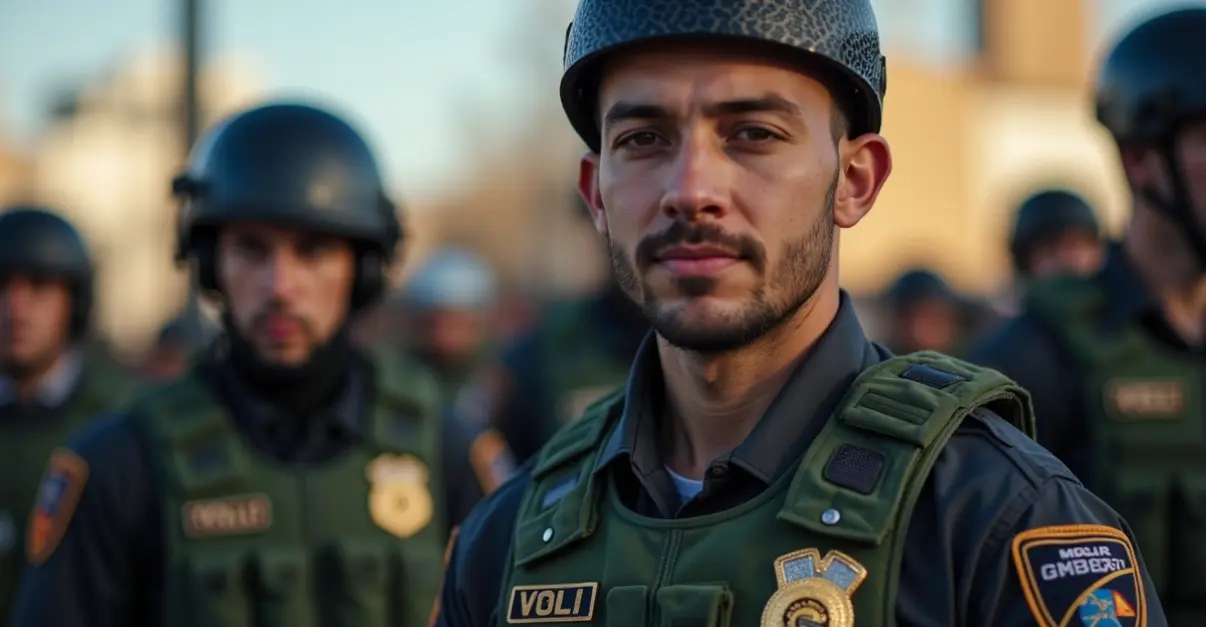
Minneapolis Mayor Jacob Frey condemned the situation, stating 'We are in an impossible situation where we're trying to keep our people safe, protect our neighbors, and maintain order at the same time.' He noted that federal agents now outnumber local police 5-to-1 in the city, with approximately 3,000 ICE agents compared to just 600 Minneapolis police officers.
Political Tensions Between State and Federal Government
The incidents have exposed deep divisions between Minnesota state officials and the Trump administration. Governor Tim Walz, a Democrat, has accused the federal government of waging 'a campaign of organized violence' against Minnesota residents. Meanwhile, the Trump administration has criticized Walz and Frey for what they call 'hateful rhetoric' that incites people against ICE agents.
Minnesota has initiated its own investigation into Good's death alongside the FBI's federal inquiry. The state has also filed a lawsuit seeking to suspend ICE operations in Minnesota to calm tensions. 'I fear we won't get enough evidence from the FBI to make a decision about prosecuting the ICE agent,' a local prosecutor said at a press conference regarding the Good investigation.
Broader Context of ICE Expansion Under Trump
Since President Trump's return to office in 2025, ICE has undergone significant expansion under the One Big Beautiful Bill Act, becoming the largest federal law enforcement agency in U.S. history. Arrests have surged dramatically, with ICE conducting raids in cities, making arrests on a large scale, and frequently stopping random pedestrians to check documentation.
The agency's tactics—including wearing masks, civilian clothing, and using unmarked vehicles—have drawn criticism from civil rights advocates who describe ICE as a 'growing militarized police force.' The shooting of Renee Good, an American citizen and mother of three, has particularly galvanized opposition, with her family describing her as a 'beautiful light' and launching a civil investigation through the law firm Romanucci & Blandin.
As protests continue in Minneapolis, the city faces what Mayor Frey calls an 'untenable situation' that shows no signs of resolution. With federal-state tensions at a boiling point and community trust eroding, Minneapolis serves as a microcosm of the national debate over immigration enforcement in America.


Follow Discussion