


 Deutsch
 English
 Español
 Français
 Nederlands
 Português


 Share
Share




Iranian Authorities Accused of Extorting Families for Bodies of Slain Protesters
In a shocking development from Iran's ongoing protest crackdown, families of slain demonstrators are being forced to pay thousands of euros to retrieve the bodies of their loved ones, according to a BBC investigation. The Iranian regime is reportedly demanding exorbitant sums from grieving families who want to bury their relatives killed during the nationwide protests that began in late December 2025.
Financial Extortion Amid Economic Crisis
The demands come as Iran faces its worst economic crisis in decades, with inflation reaching 42.2% and food prices skyrocketing by 72%. 'We had to pay the equivalent of over 4,200 euros to get my brother's body back,' said one family member from Rasht in northern Iran who spoke to BBC Persian on condition of anonymity. 'They told us if we couldn't pay, they would keep the body indefinitely.'
Another family in Tehran was asked for nearly 6,000 euros for the body of a construction worker killed during protests. When they couldn't afford the payment, they were sent home empty-handed. According to Iran International's investigation, authorities are even demanding families pay for the bullets used to kill their relatives - with costs ranging from $480 to $1,720 per bullet, an impossible sum for most Iranians whose average monthly income is under $100.
Systematic Suppression Tactics
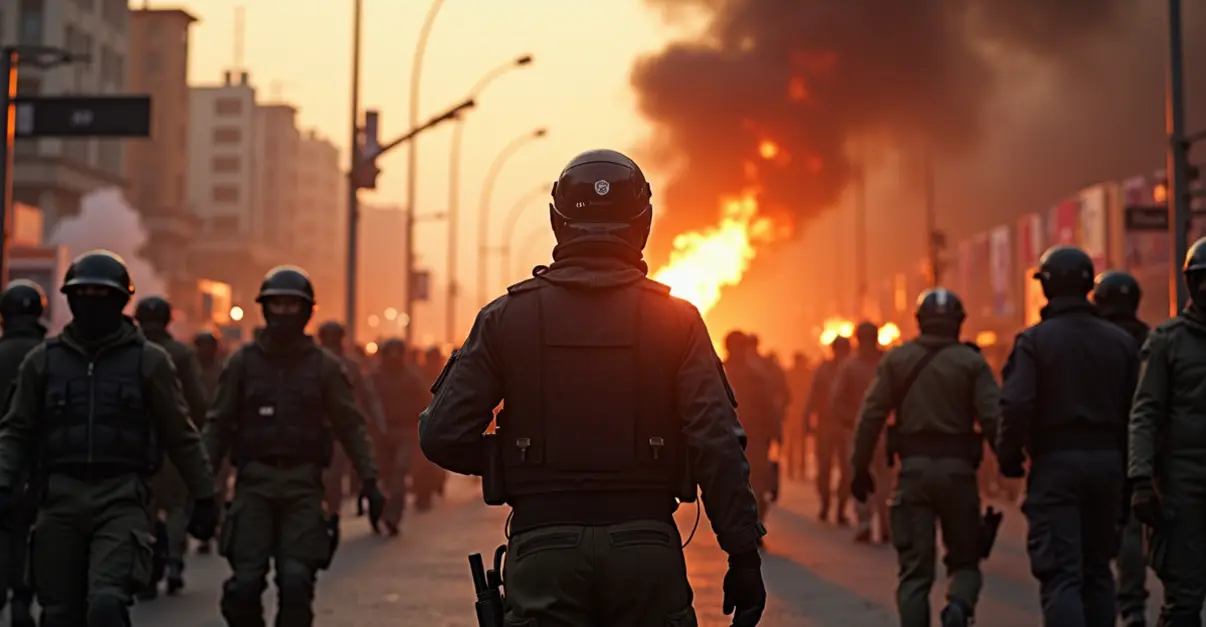
The practice appears to be part of a systematic effort to suppress dissent and control the narrative around the protests. Amnesty International reports that security forces have committed mass unlawful killings on an unprecedented scale, with the death toll reaching at least 2,000 according to official admissions. The organization has documented evidence showing security forces firing rifles and shotguns loaded with metal pellets at unarmed protesters, frequently targeting heads and torsos.
'They offered us a deal,' explained a parent who lost their child in the protests. 'If we would say our child was killed by protesters and not security forces, and if we would participate in a pro-government demonstration, they would reduce the fee. We refused both conditions.'
International Response and Ongoing Protests
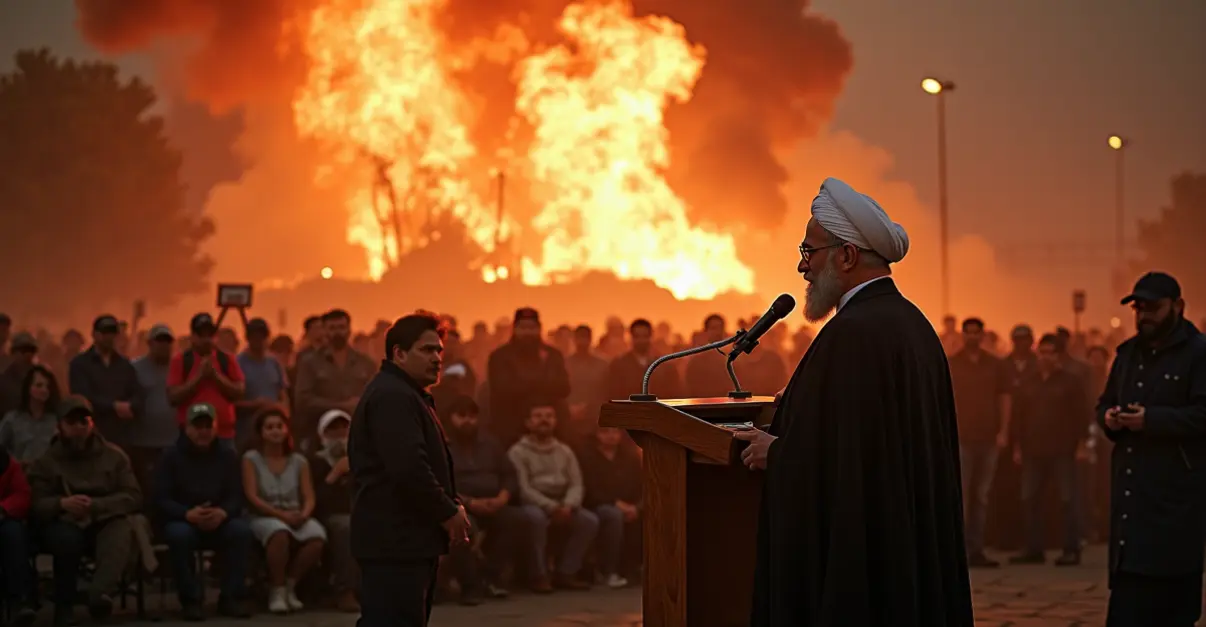
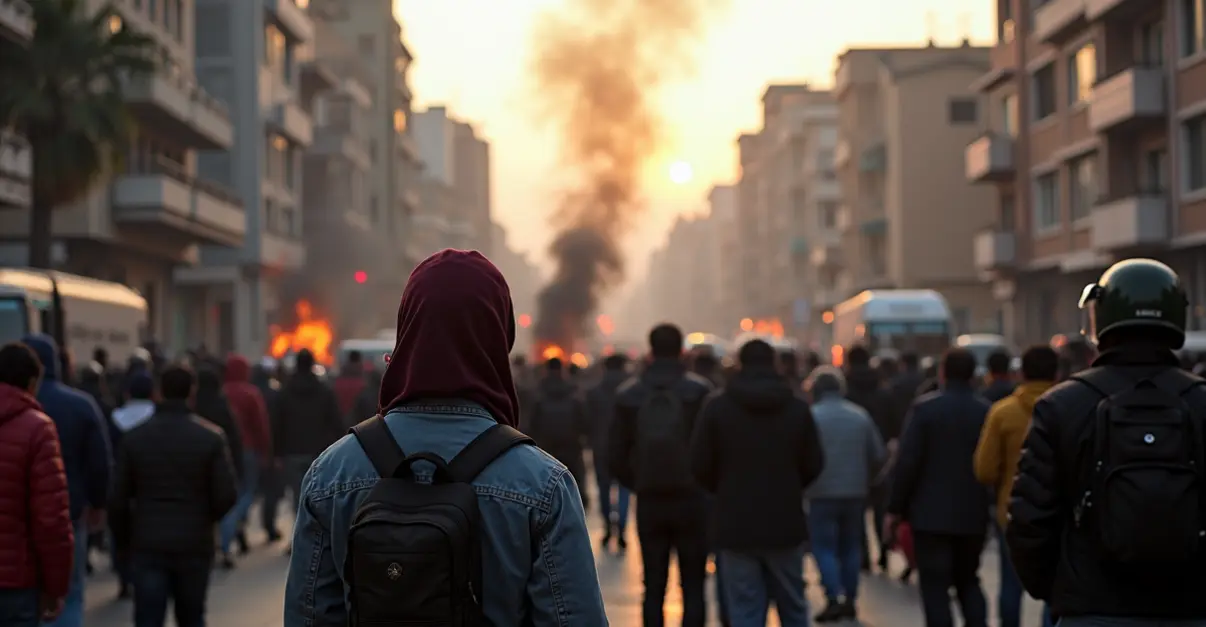
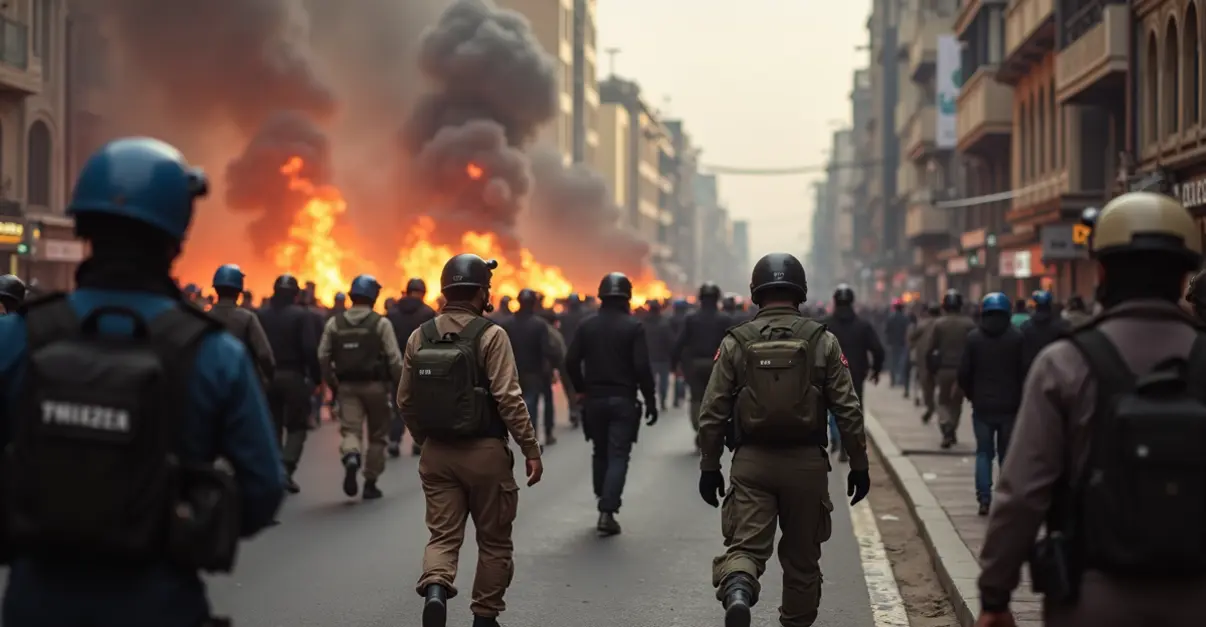
The protests, which began over economic grievances, have evolved into a broader movement against the Islamic Republic. According to Wikipedia, the demonstrations have been described as the largest uprising since the 1979 Islamic Revolution, with millions taking to the streets across all 31 provinces. The crackdown has been brutal, with security forces reportedly opening fire on crowds and implementing a nationwide internet blackout to prevent documentation of the violence.
U.S. President Donald Trump has threatened to intervene if Iran continues killing demonstrators, while the White House claimed the regime has suspended 800 executions under pressure. However, these claims are difficult to verify due to the media blackout and restrictions on journalists in Iran.
The situation remains volatile, with families caught between grief and financial ruin as they navigate the regime's demands. As one human rights activist told the BBC: 'This is not just about money - it's about humiliation, control, and preventing public mourning from becoming a focal point for further protest.'

Follow Discussion