Deutsch
 English
 Español
 Français
 Nederlands
 Português






Venezuela Launches Terrorism Investigation Against United States
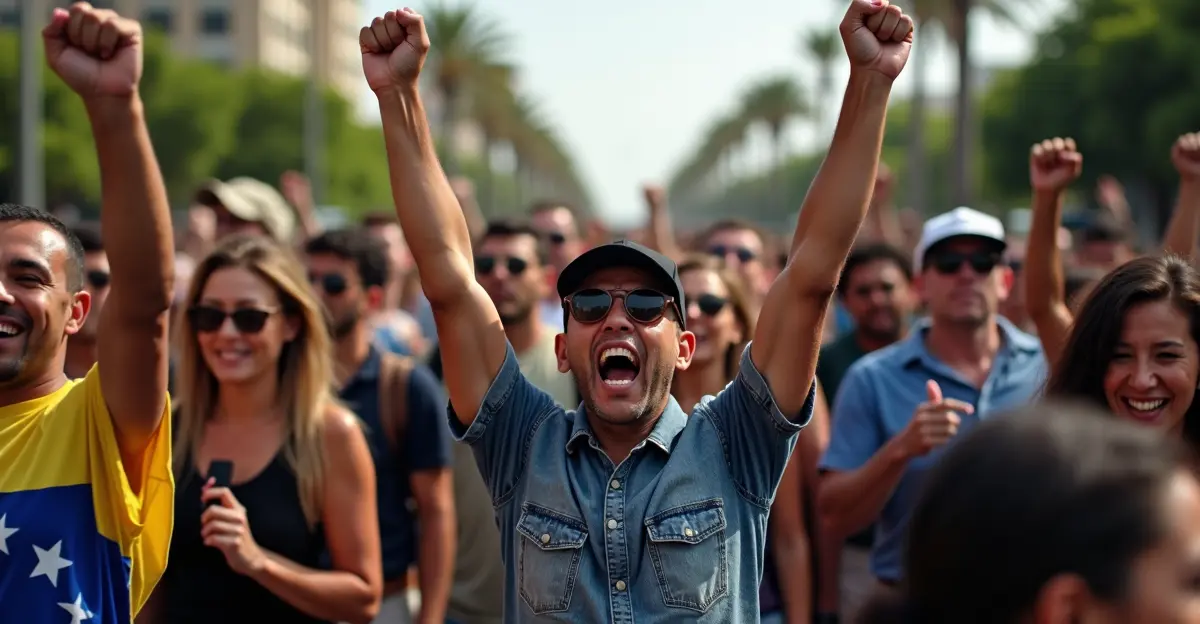
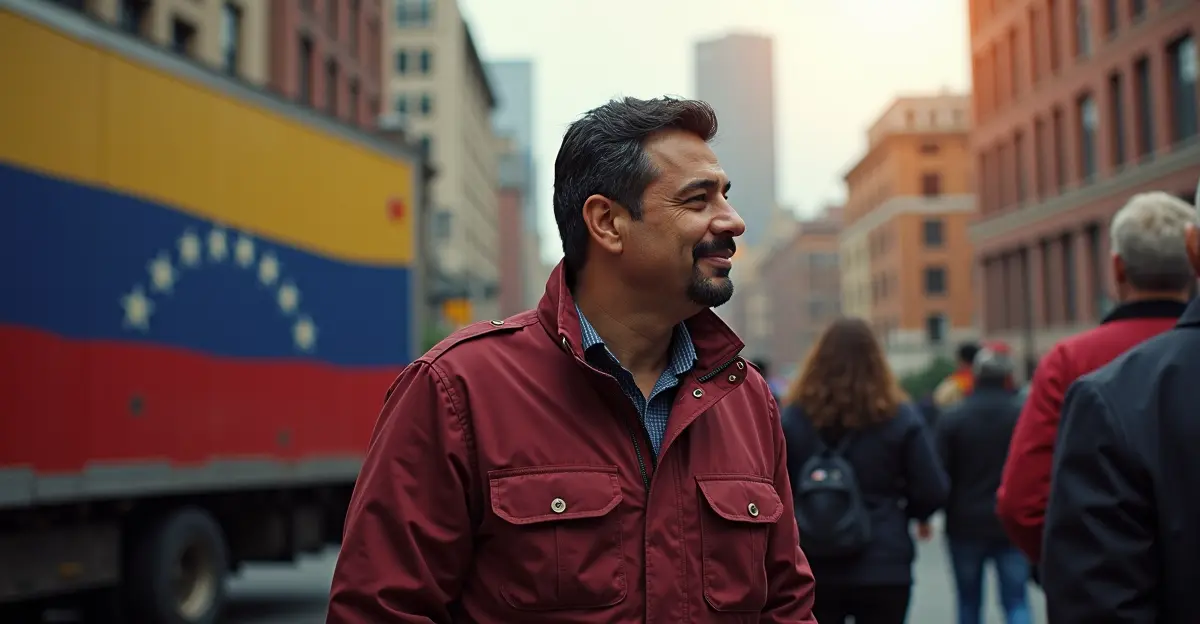
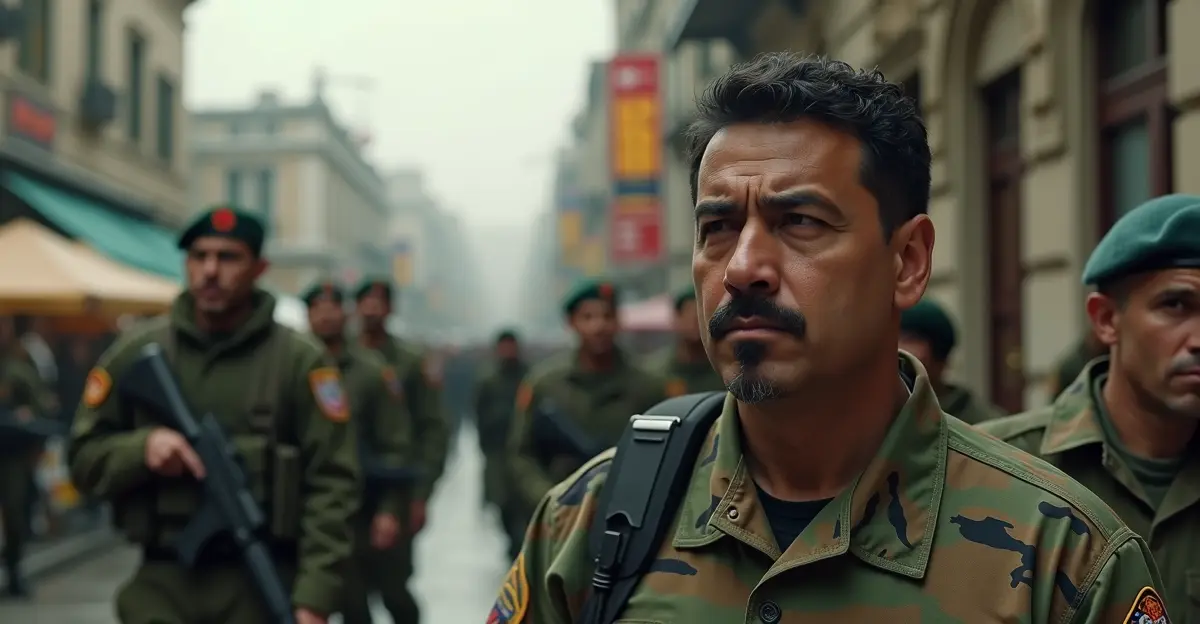
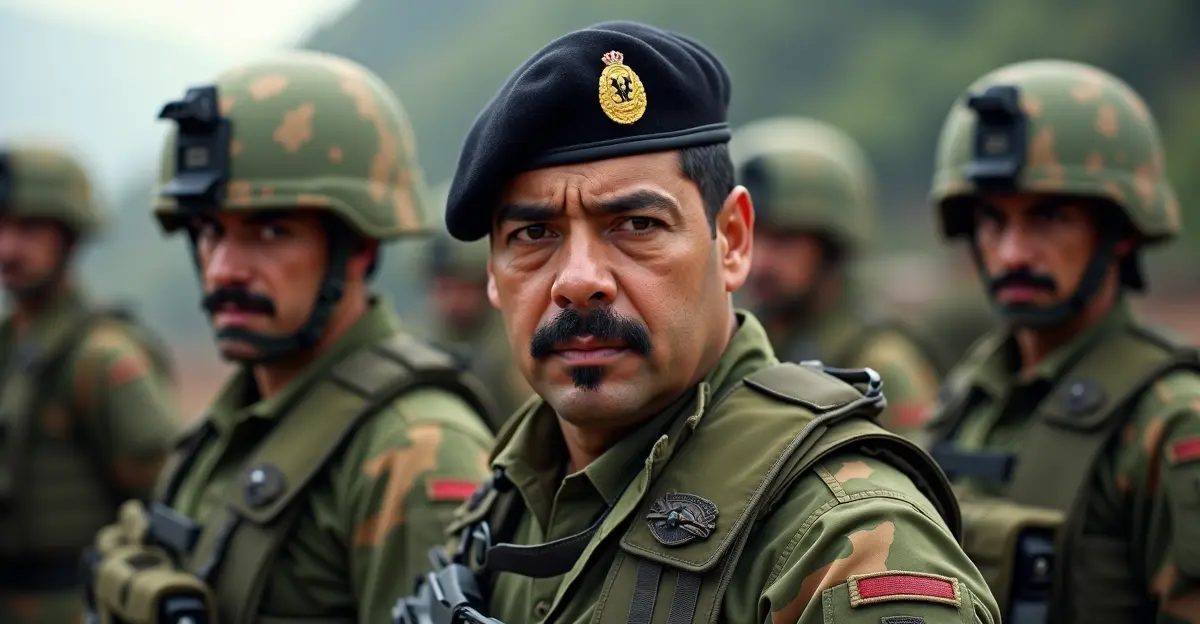
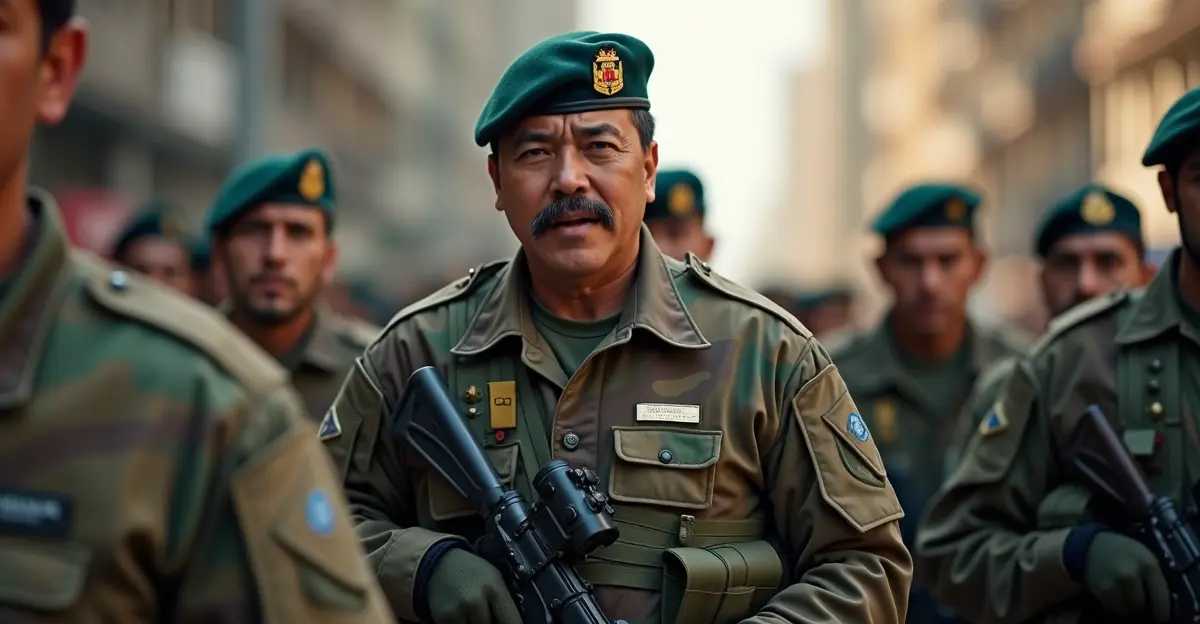
Venezuela's top prosecutor has launched a formal terrorism investigation against the United States following a military operation that resulted in at least 56 deaths and the capture of President Nicolás Maduro. Attorney General Tarek William Saab, a staunch Maduro loyalist, has assigned three prosecutors to investigate what he calls 'illegal armed aggression of a terrorist nature' by American forces.
'A military action without a declaration of war or UN Security Council resolution must be considered illegal armed aggression with a terrorist character,' Saab declared in a fiery statement. 'The capture and transportation of President Maduro and his wife amounts to kidnapping under international law.'
Mounting Casualties and International Fallout
The death toll from Saturday's attacks on a military base in Caracas and other locations across Venezuela has risen to at least 56, according to official reports. The Cuban government confirmed that 32 of its military personnel and intelligence agents were among the dead, while Venezuelan authorities reported 24 'security agents' killed. Local media indicate two Venezuelan civilians also lost their lives.
The operation, which saw U.S. special forces capture Maduro and his wife Cilia Flores in a lightning raid, has sparked international condemnation. Maduro appeared before a federal court in New York on Monday, pleading not guilty to drug trafficking charges. The Venezuelan leader described his capture as 'I was captured' during his court appearance.
Political Maneuvering in Washington
U.S. Secretary of State Marco Rubio briefed congressional leaders on the Venezuela situation Monday evening, revealing deep partisan divisions. House Speaker Mike Johnson emphasized that the U.S. was not pursuing 'regime change' in Venezuela and didn't anticipate sending additional troops. However, Democratic leaders expressed serious concerns about the operation's legality and lack of congressional consultation.
'The briefing raised more questions than it answered,' said Senate Democratic Leader Chuck Schumer, highlighting the administration's unclear long-term strategy for Venezuela.
Opposition Leader Seeks Return
Venezuelan opposition leader María Corina Machado announced plans to return to Venezuela 'as soon as possible' to participate in free elections. While praising President Trump for Maduro's capture, she faces challenges as the Trump administration appears to be working with interim President Delcy Rodríguez, Maduro's former deputy who was sworn in following his capture.
Machado criticized Rodríguez as untrustworthy, predicting she would win overwhelmingly in any fair election. The political landscape remains volatile as different factions jockey for position in post-Maduro Venezuela.
Oil Industry in Flux
Chevron, the only U.S. oil company operating in Venezuela, has resumed exports to the United States after a brief pause. The company has recalled approximately 20 employees who were outside Venezuela and asked them to return to work. However, exports to other countries remain suspended due to a U.S. blockade of Venezuelan ports that began in mid-December.
The Trump administration has justified its actions by demanding Venezuela return assets seized from U.S. oil companies, with President Trump stating, 'they took all of our oil not that long ago. And we want it back.' Chevron continues to operate under a U.S. waiver, producing about 240,000 barrels per day at its Venezuelan projects.
The situation continues to evolve as international bodies debate the legality of the U.S. intervention and Venezuela's political future hangs in the balance. For more details on the casualties, see this report, and for information on Chevron's operations, check this article.