


 Deutsch
 English
 Español
 Français
 Nederlands
 Português


 Share
Share




Congo Mine Collapse: 200 Dead in Rubaya Disaster Explained
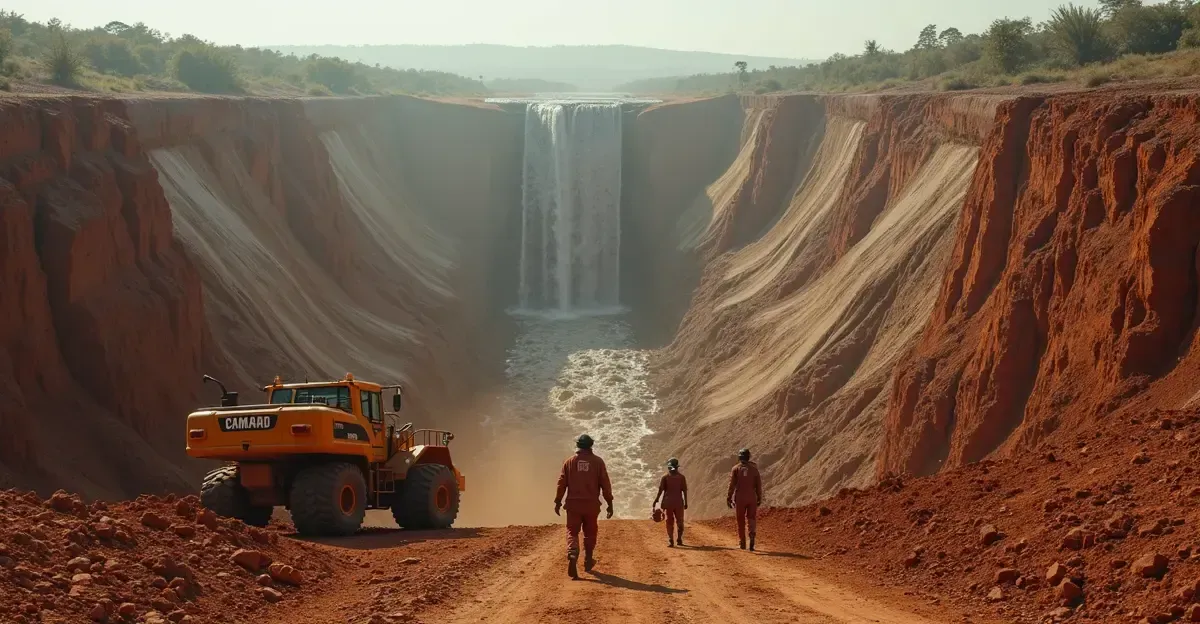
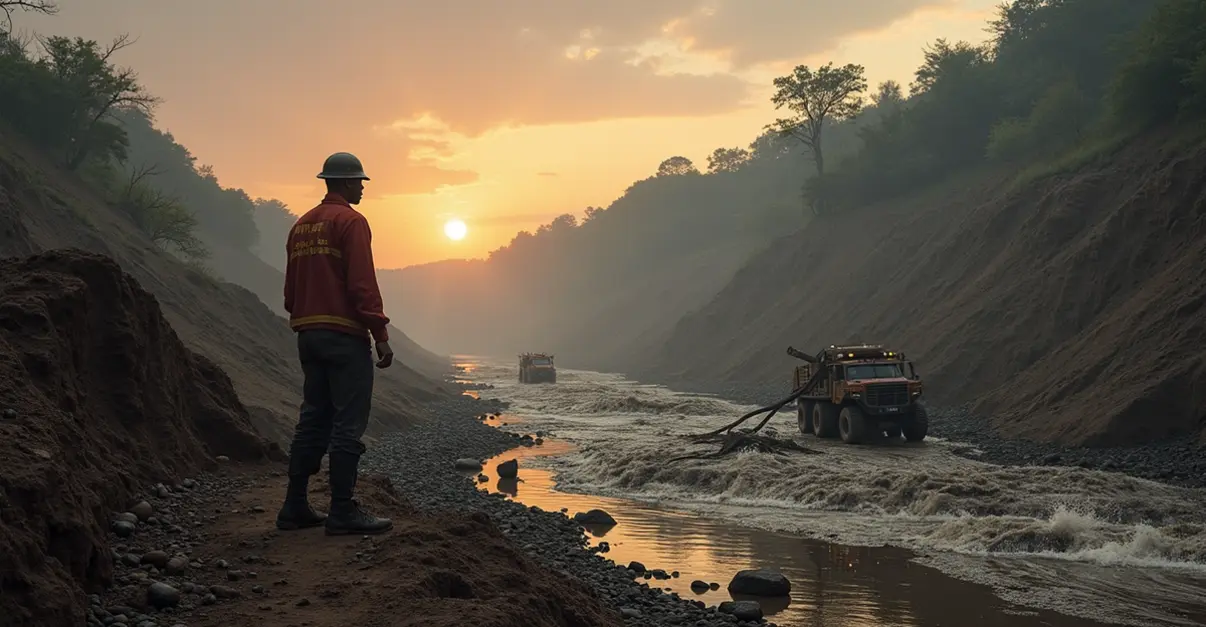
In a devastating repeat of last month's tragedy, the Rubaya coltan mine in eastern Democratic Republic of Congo has collapsed for the second time in 2026, killing at least 200 people according to government authorities. The catastrophic landslide, triggered by heavy rainfall, has highlighted the dangerous conditions in rebel-controlled mining operations that supply critical minerals for global electronics.
What is the Rubaya Mine Disaster?
The Rubaya mine collapse represents one of the deadliest mining disasters in recent African history, with two separate incidents in 2026 claiming over 600 lives total. Located in North Kivu province, the Rubaya mining complex produces approximately 15% of the world's tantalum supply through coltan extraction. Coltan is a crucial mineral used in smartphones, computers, and aerospace components, making this disaster particularly significant for global supply chains.
Timeline of the Tragedy
First Collapse: January 28, 2026
The initial disaster occurred when heavy rains caused severe landslides that collapsed multiple mines at the Rubaya site, killing over 200 people initially with the death toll later rising to more than 400 confirmed fatalities. Most victims were artisanal miners working in primitive conditions without proper safety equipment.
Second Collapse: March 4, 2026
The latest tragedy unfolded under similar circumstances, with torrential rainfall triggering another massive landslide that blocked multiple mine entrances. According to Congo's Ministry of Mines, approximately 70 children were among the 200 victims, with injured survivors being evacuated to medical facilities in Goma.
M23 Rebel Control and Conflicting Reports
The Rubaya mine has been under control of the M23 rebel group since May 2024, creating significant challenges for rescue operations and accurate reporting. While Congolese authorities report 200 deaths, the M23 rebels dispute these figures, claiming only five fatalities resulted from bombings rather than a landslide. This discrepancy highlights the ongoing conflict in eastern Congo and the difficulty of obtaining reliable information from rebel-controlled territories.
Key Facts About M23 Control:
- M23 seized Rubaya in May 2024, gaining control of critical coltan resources
- The group reportedly generates $800,000 monthly from coltan taxes
- UN experts accuse Rwanda of supporting M23 rebels and mineral smuggling
- The rebels control approximately 70% of North Kivu province
Coltan: The Blood Mineral Behind the Tragedy
Coltan (columbite-tantalite) is a metallic ore containing tantalum, essential for manufacturing capacitors in electronic devices. The Democratic Republic of Congo produces about 40% of the world's coltan, with Rubaya alone supplying over 15% of global tantalum. This mineral wealth has fueled decades of conflict in eastern Congo, creating what the UN calls "one of the world's largest humanitarian crises" with over 7 million displaced people.
Coltan Supply Chain Impact:
| Statistic | Value | Global Impact |
|---|---|---|
| DRC's global coltan share | 40% | Critical for electronics manufacturing |
| Rubaya's tantalum production | 15% | Essential for smartphones and computers |
| M23 monthly revenue | $800,000 | Funds ongoing conflict operations |
| Artisanal miners at risk | Thousands | Work without safety equipment |
Rescue Challenges and Humanitarian Crisis
Rescue operations face immense difficulties due to the remote location, rebel control, and treacherous conditions. The Ministry of Mines has condemned the conditions imposed by M23 rebels, stating that miners are "deprived of all protection and safety." A BBC investigation last year revealed workers digging for minerals with their bare hands in primitive conditions, highlighting the systemic safety failures that led to these tragedies.
"The miners are deprived of all protection and safety," stated Congo's Ministry of Mines in their official condemnation of the conditions at rebel-controlled mines.
Global Implications and Ethical Concerns
The Rubaya disasters raise serious questions about conflict mineral supply chains and corporate responsibility in electronics manufacturing. With coltan being essential for devices used worldwide, consumers and manufacturers face increasing pressure to ensure ethical sourcing. The tragedy also highlights the human cost of the global demand for electronics, with artisanal miners risking their lives in dangerous conditions to extract minerals for smartphones and computers.
FAQ: Congo Mine Collapse Questions Answered
How many people died in the Rubaya mine collapse?
According to Congolese authorities, at least 200 people died in the March 4, 2026 collapse, including approximately 70 children. This follows a similar disaster in January 2026 that killed over 400 people at the same site.
What is coltan and why is it important?
Coltan is a mineral containing tantalum, essential for manufacturing capacitors in electronic devices like smartphones, computers, and aircraft engines. The Democratic Republic of Congo produces 40% of the world's coltan.
Who controls the Rubaya mine?
The M23 rebel group has controlled the Rubaya mine since May 2024. They reportedly generate $800,000 monthly from coltan taxes and dispute the government's death toll figures.
Why do these collapses keep happening?
The collapses result from primitive mining practices, lack of safety equipment, poor maintenance, and heavy rainfall in rebel-controlled territories where safety regulations are not enforced.
What is being done to prevent future disasters?
International pressure is growing for ethical mineral sourcing and improved safety standards, but progress is slow due to ongoing conflict and rebel control of mining areas.

Follow Discussion