


 Deutsch
 English
 Español
 Français
 Nederlands
 Português


 Share
Share




Catastrophic Mine Collapse in Eastern Congo Claims Hundreds
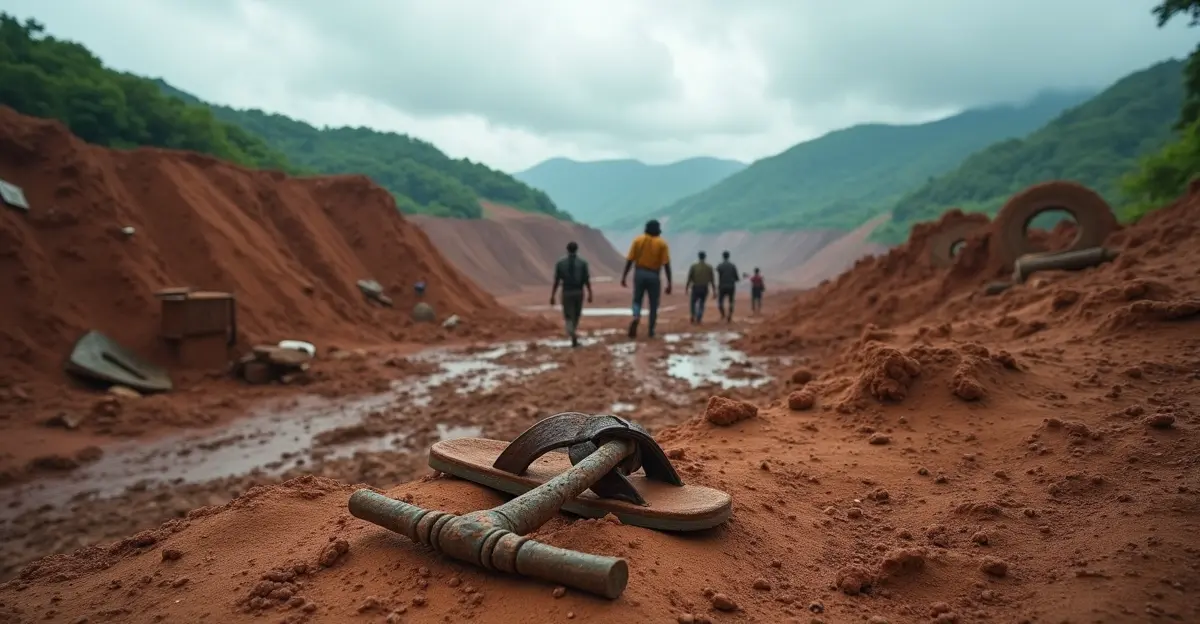
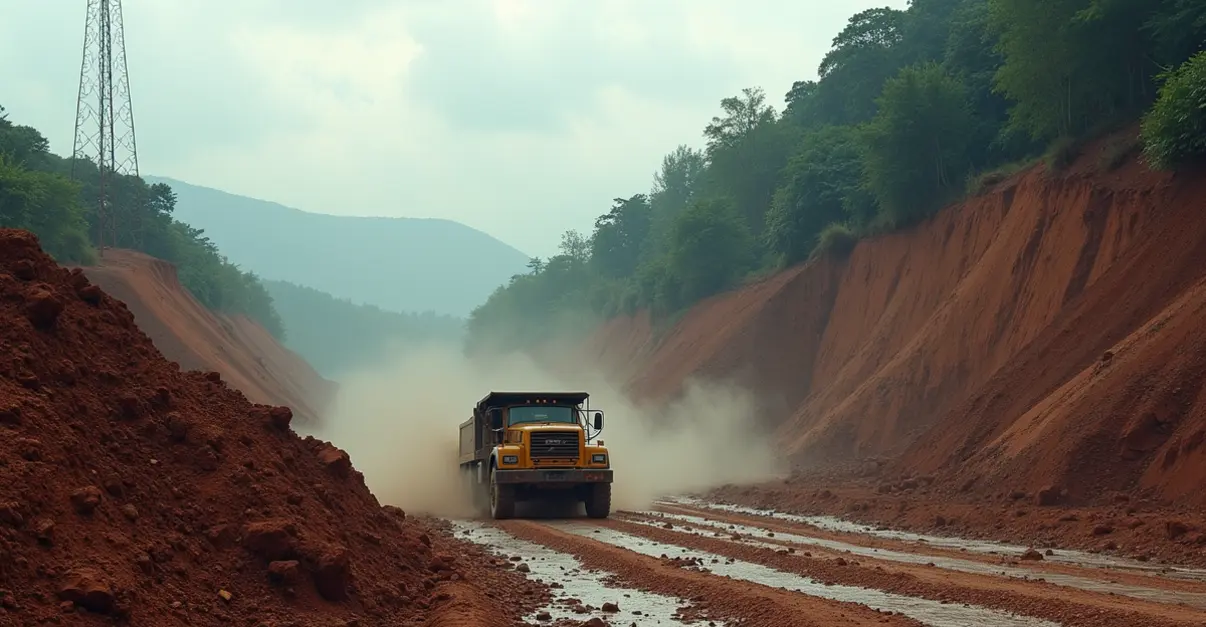
A devastating mine collapse at the Rubaya coltan mine in eastern Democratic Republic of Congo has killed more than 200 people, according to officials from the M23 rebel group that controls the area. The disaster occurred on Wednesday when heavy rains during the rainy season caused the ground to give way while miners were working in the pit.
'We are in the middle of the rainy season. The ground collapsed while the victims were in the hole,' said a spokesperson for the M23-appointed governor. 'Some were rescued but have serious injuries.'
The Rubaya mine, located 60 kilometers northwest of Goma in North Kivu province, is responsible for approximately 15% of global coltan production. Coltan is a mineral ore containing tantalite, which is processed into tantalum - a heat-resistant metal essential for manufacturing smartphones, computers, and aerospace components.
Conflict Minerals Fueling Regional Violence
The tragedy highlights the dangerous conditions faced by artisanal miners in Congo's mineral-rich regions, where workers often labor manually for just a few dollars per day without proper safety equipment. According to the Al Jazeera report, casualties included miners, children, and market women who were inside the pit when the collapse occurred.
The United Nations has documented that M23 rebels plunder Rubaya's mines to finance their military campaign. UN documents reveal that convoys carrying valuable minerals depart multiple times weekly from the area to Rwanda, generating an estimated $800,000 monthly for the rebel group.
'The M23 rebel group now controls key mining areas including Rubaya, the heart of DR Congo's coltan industry,' notes a BBC investigation into conflict minerals. 'Despite international traceability systems, coltan from conflict zones reportedly gets mixed with Rwandan production and enters global supply chains.'
Decades of Conflict and Human Rights Abuses
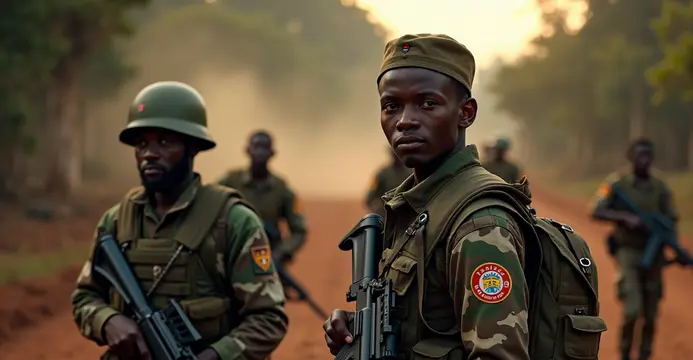
Eastern Congo has been embroiled in violent conflict for decades, with the M23 rebellion representing the latest chapter in a complex regional struggle. The Rwanda-backed rebel group launched a major offensive in 2022 and has since captured significant territory, including the strategic cities of Goma and Bukavu.
Human rights organizations including Amnesty International and Human Rights Watch have documented widespread atrocities committed by M23, including war crimes, murders, and sexual violence. The UN Security Council has called for sanctions against M23 leaders and implicated high-ranking Rwandan officials in the violence.
According to Wikipedia documentation, analysts suggest that M23's resurgence is primarily driven by economic interests rather than ethno-political concerns, with access to Kivu's mineral resources being a key motivation.
Global Implications for Electronics Industry
The tragedy raises urgent questions about supply chain transparency in the global electronics industry. While legislation like the US Dodd-Frank Act and EU regulations require companies to conduct due diligence on conflict minerals, enforcement remains challenging.
'The conflict highlights how minerals essential for modern electronics can fuel violence in resource-rich regions,' observes the BBC report. The Congolese government has previously filed complaints against major tech companies for using conflict minerals, though companies like Apple claim to have stopped sourcing tantalum from DR Congo and Rwanda due to certification difficulties.
This disaster follows a similar tragedy in November when at least 100 people died in an illegal gold mine collapse in Congo, also triggered by heavy rainfall. The repeated incidents underscore the urgent need for improved mining safety standards and conflict resolution in one of Africa's most mineral-rich yet troubled regions.
Follow Discussion