Nederlands
 English
 Deutsch
 Français
 Español
 Português





Defense Secretary's Signal Messaging Violated Pentagon Policy, Endangered Forces
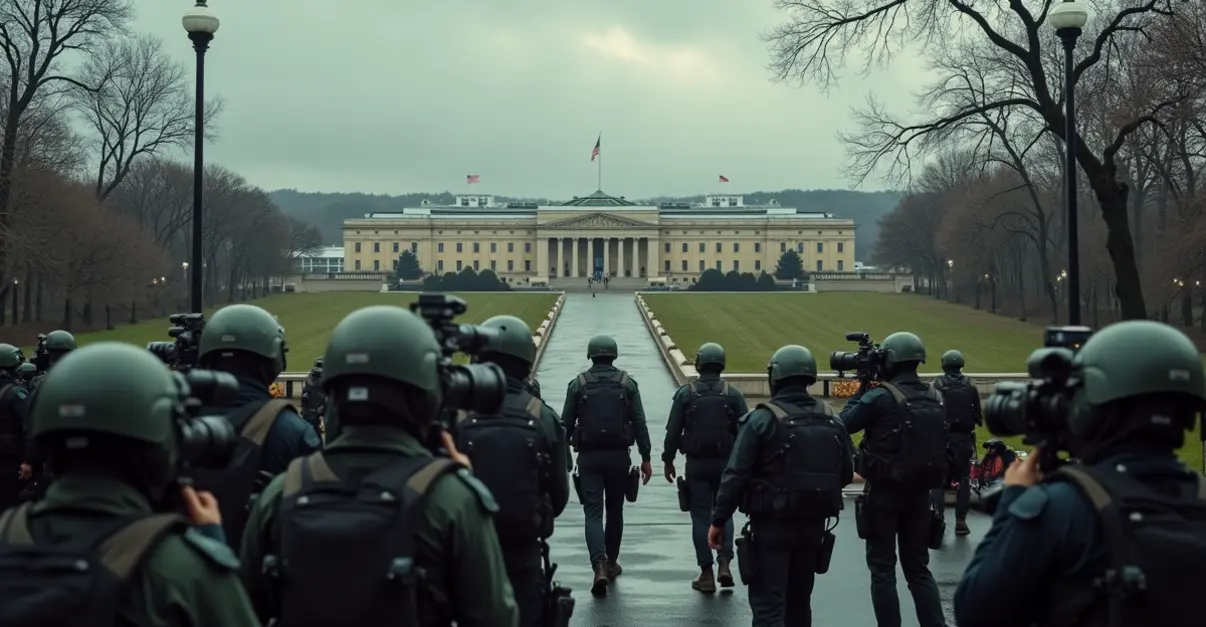
A classified Pentagon inspector general report has concluded that Defense Secretary Pete Hegseth violated department policies and potentially endangered American troops by sharing sensitive military information on the encrypted messaging app Signal. The investigation, dubbed 'Signalgate' by media outlets, found that Hegseth discussed detailed plans for U.S. airstrikes against Houthi rebels in Yemen in Signal group chats that included journalists and family members.
Operational Details Shared on Unsecured Platform
According to the report, Hegseth shared specific operational details including exact timing of warplane launches and bomb drops before the attacks occurred. The information was taken from a classified U.S. Central Command document marked Secret/NOFORN (No Foreign Nationals). Military officials stated that such specific operational details should never be shared on unsecured devices or commercial messaging platforms.
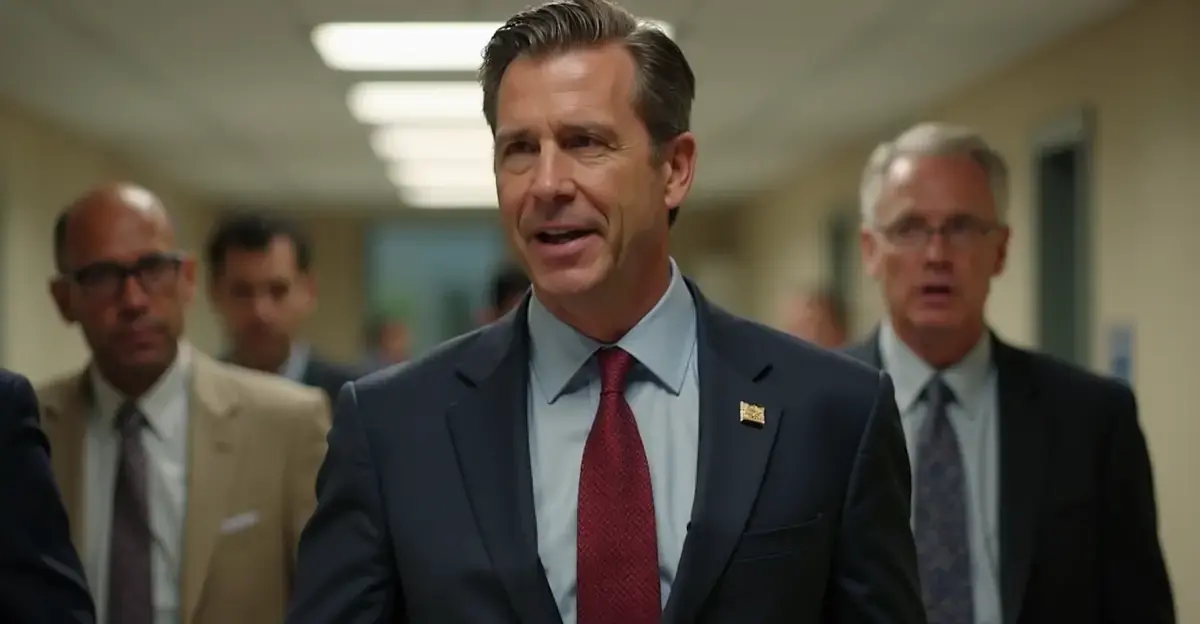
'The way he chose to communicate this information put servicemembers at risk,' said Adam Smith, the top Democrat on the House Armed Services Committee. 'Moreover, the lack of transparency Hegseth displayed by refusing to meet with the inspector general and answer questions is deeply troubling. Even after the publication of this report, the secretary refuses to take responsibility for his actions.'
Journalist Accidentally Added to Chat Group
The controversy began when National Security Advisor Mike Waltz accidentally added Jeffrey Goldberg, editor of The Atlantic magazine, to a Signal group chat where Hegseth was discussing military operations. Goldberg later published details from the chat, confirming the authenticity of the messages. The White House subsequently verified that the chat logs were genuine.
Hegseth defended his actions, claiming on social media platform X that the investigation's conclusions 'completely exonerate me.' He added, 'Case closed. Houthis subdued with bombs. Thank you for your attention to this report.'
Violation of Pentagon Communication Protocols
The inspector general's report determined that Hegseth violated multiple Pentagon policies by using a personal device and commercial messaging app for official business. While Signal messages are encrypted, the app is not authorized by the U.S. government for transmitting classified or sensitive information and is not part of the Pentagon's secure communication network.
'This is a devastating assessment,' Smith continued, criticizing Hegseth as 'an incompetent secretary' with 'poor judgment.'
White House Stands By Defense Secretary
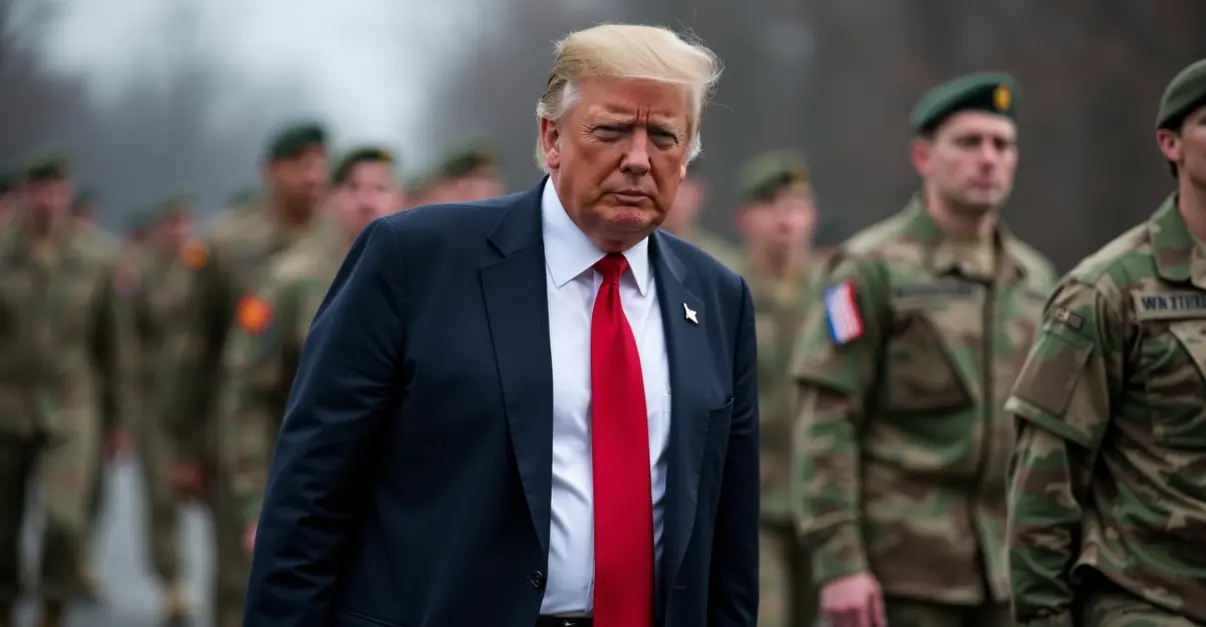
The Trump administration has consistently supported Hegseth throughout the controversy. White House spokesperson Karoline Leavitt stated that the report 'confirms what the administration has said from the beginning: no classified information was leaked and operational security was not compromised.'
However, the inspector general's findings contradict this assessment, stating that had the information been intercepted by foreign adversaries, it could have clearly endangered both U.S. military personnel and the mission's success.
Background on Pete Hegseth
Pete Hegseth, appointed as the 29th U.S. Secretary of Defense in January 2025, is a former Fox News host and Army National Guard veteran with deployments to Afghanistan, Iraq, and Guantanamo Bay. At 45, he is the second-youngest defense secretary in U.S. history after Donald Rumsfeld. His nomination faced Senate scrutiny over allegations of sexual misconduct, financial mismanagement, and excessive drinking, but he was confirmed with Vice President JD Vance casting a tie-breaking vote.
Hegseth has advocated for radical Pentagon reforms, including renaming the Defense Department back to the War Department and implementing a 10-year ban on retired generals working for defense contractors.
Ongoing Congressional Scrutiny
The partially redacted version of the inspector general's report was made public today, while the classified version was sent to Congress on Tuesday evening. The investigation was initiated by bipartisan leaders of the Senate Armed Services Committee following the initial revelations about Hegseth's Signal use.
Democratic lawmakers have called for greater accountability, while Republican supporters of the administration have largely defended Hegseth's actions as within his authority as defense secretary. The controversy highlights ongoing tensions between the Trump administration's unconventional approach to national security and traditional Pentagon protocols.
For more information on the Pentagon inspector general's findings, see Defense News coverage. Additional details about Hegseth's background can be found at Wikipedia.