Deutsch
 English
 Español
 Français
 Nederlands
 Português






FBI Conducts 'Highly Unusual' Raid on Journalist's Home
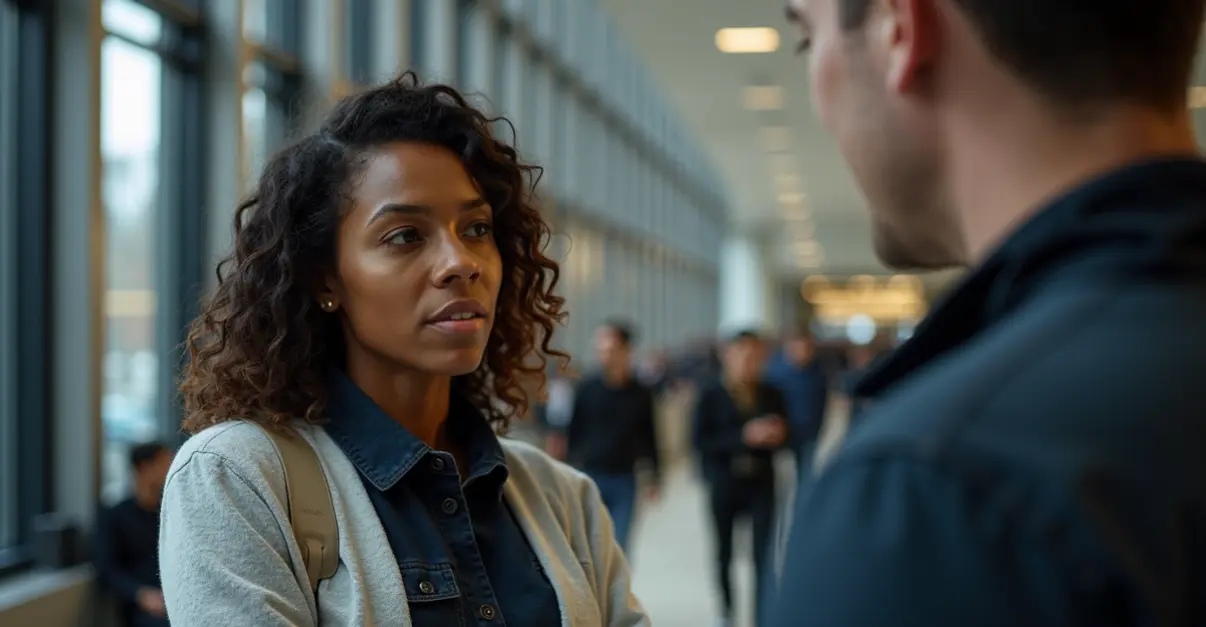
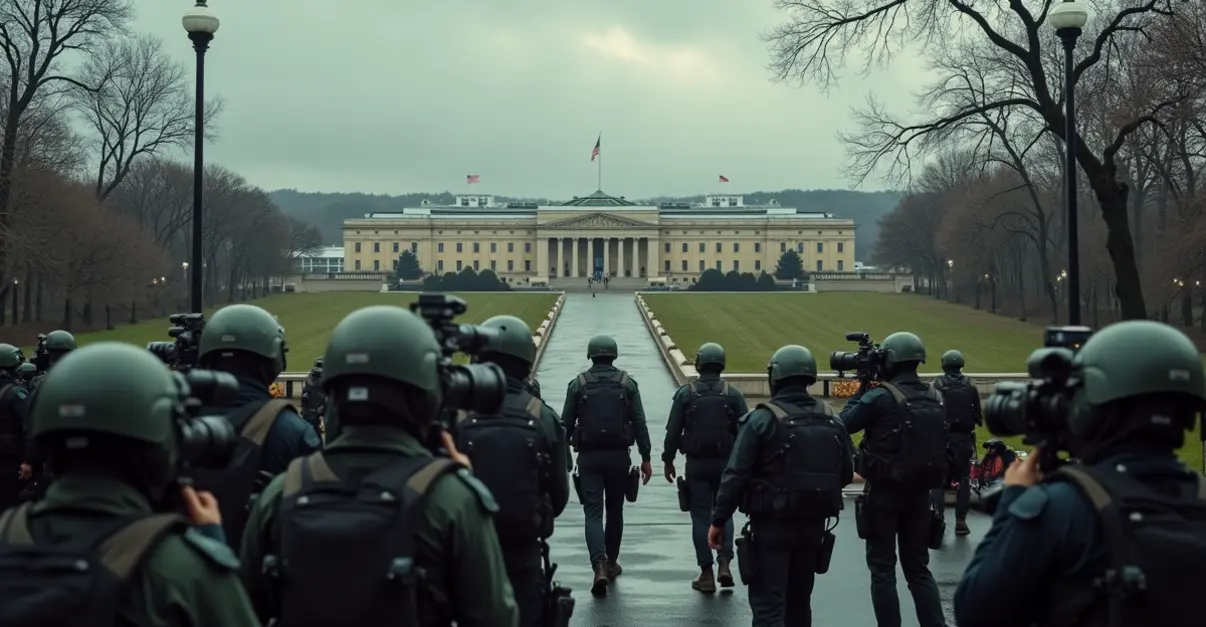
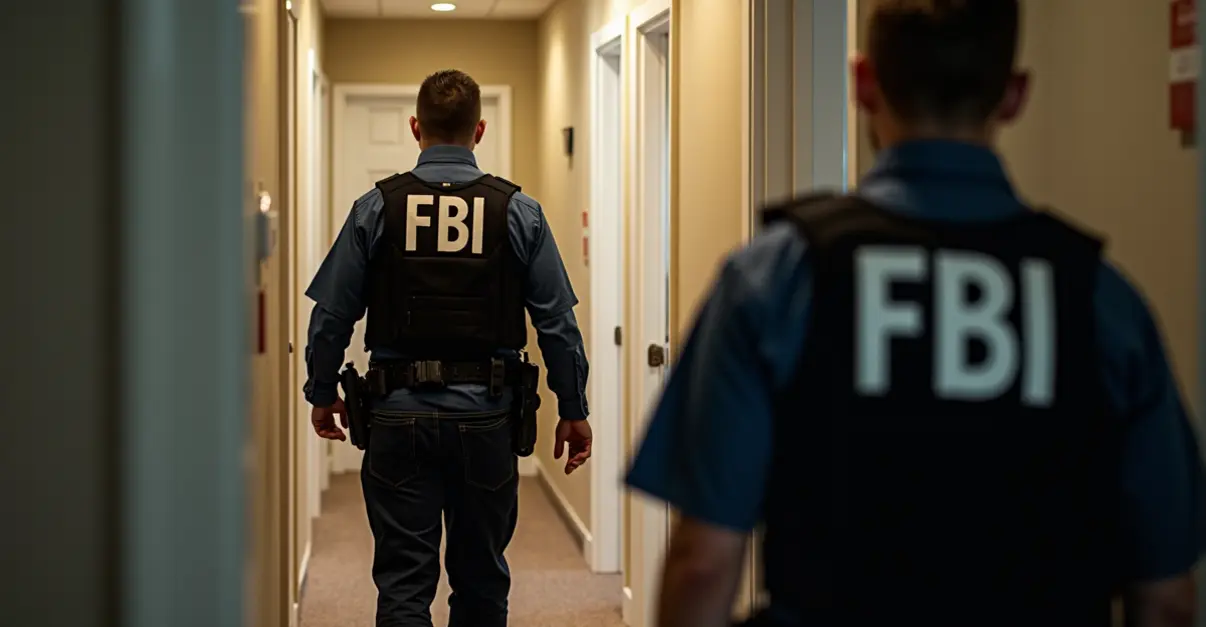
In a dramatic escalation of tensions between the Trump administration and the press, FBI agents raided the Virginia home of Washington Post reporter Hannah Natanson on January 14, 2026. The search, which the newspaper described as 'highly unusual and aggressive,' resulted in agents seizing Natanson's phone, two laptops (one personal and one work-issued), and a Garmin smartwatch.
Investigation Focuses on Pentagon Contractor
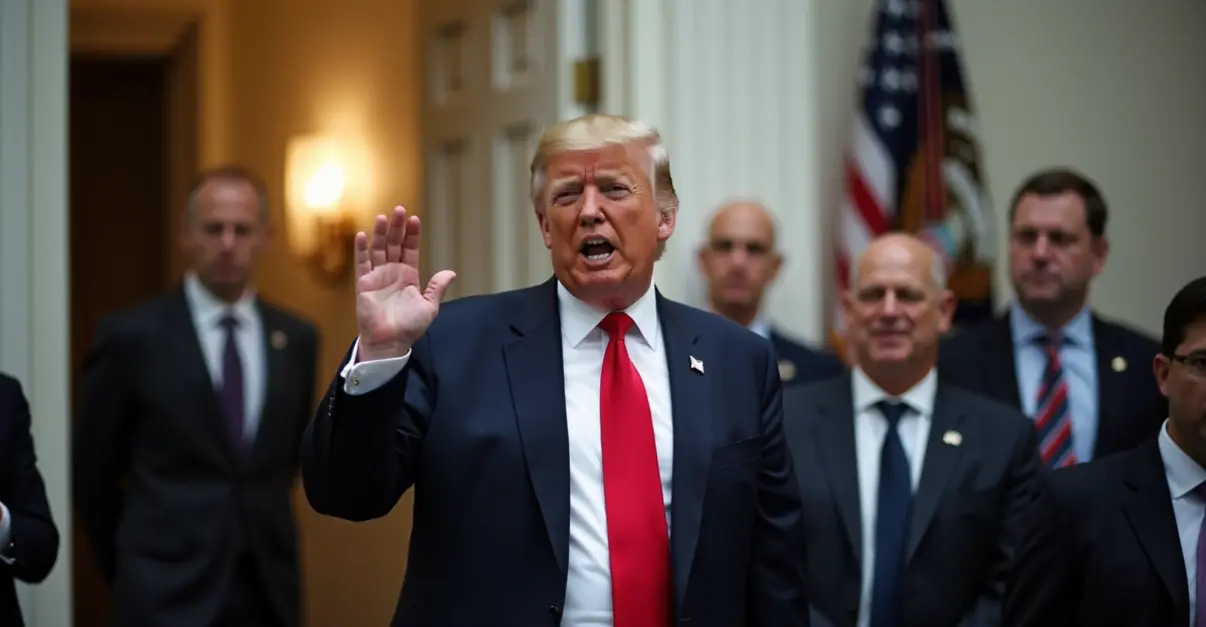
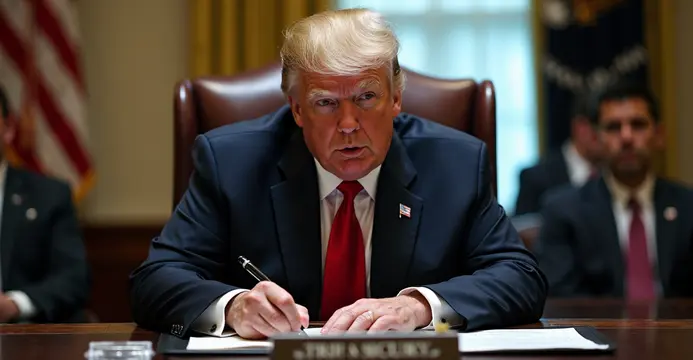
The raid is part of an investigation into Aurelio Perez-Lugones, a Pentagon contractor with top-secret clearance who allegedly took classified documents home. According to court documents, classified reports were found in his lunchbox and basement. While Natanson was informed she is not the focus of the investigation, Attorney General Pam Bondi defended the action, stating the administration 'will not tolerate illegal leaks of classified information that pose national security risks.'
'This is a tremendous intrusion and an alarming escalation in this administration's approach to the press,' said a spokesperson for the Freedom of the Press Foundation. 'Searching a journalist's home is something we associate with illiberal regimes, not the United States.'
Natanson's Reporting on Federal Workforce
Natanson has been a prominent voice covering the transformation of the federal government under the Trump administration. She has reported extensively on the mass firings of federal employees during government shutdowns, maintaining encrypted Signal communications with over 1,100 current and former government employees. In a personal account last month, she described herself as the 'whisperer of the federal government,' detailing how she received hundreds of calls and messages from federal employees wanting to share how President Trump was reshaping their workplaces.
'I went almost under from it,' she wrote about the intense period of reporting.
Press Freedom Concerns
The raid represents a significant departure from recent norms. The Biden administration had implemented policies limiting searches of journalists in leak investigations, but Attorney General Bondi recently rescinded those protections. Washington Post Executive Editor Matt Murray called the search 'deeply concerning' and raised questions about constitutional protections for journalistic work under the First Amendment.
'This is an extraordinary, aggressive action that raises serious constitutional concerns about press protections,' Murray stated. 'Such searches of reporters' homes are extremely rare in the United States and should alarm anyone who cares about a free press.'
Legal and Political Implications
The American Civil Liberties Union condemned the search as an attack on press freedom and called for Congress to pass the PRESS Act to protect journalist-source confidentiality. Legal experts note that while the Supreme Court has ruled that journalists have no special privilege to protect confidential sources, such direct searches of journalists' homes are uncommon and could have a chilling effect on legitimate reporting.
The incident comes amid ongoing tensions between the Trump administration and media organizations, with the administration frequently criticizing what it calls 'fake news' and taking aggressive stances against leaks. As the investigation continues, press freedom advocates warn that this action could set a dangerous precedent for government interference with journalistic work in the United States.