


 Deutsch
 English
 Español
 Français
 Nederlands
 Português


 Share
Share




BBC Investigation Uncovers Use of Obsolete Chemical Weapon
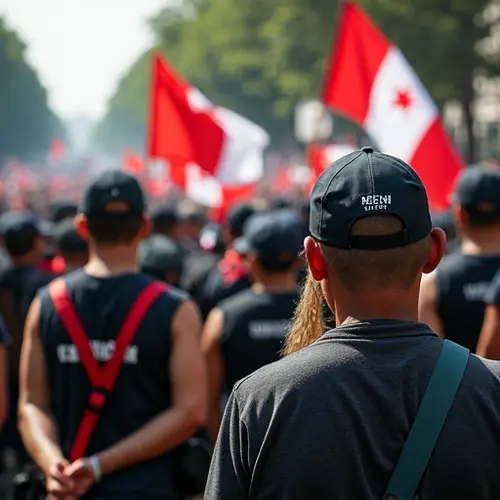
A shocking BBC investigation has revealed that Georgian authorities used a World War I-era chemical weapon against anti-government protesters in late 2024. The chemical, known as camite (bromobenzyl cyanide), was reportedly mixed into water cannons and deployed against demonstrators in Tbilisi who were protesting the government's decision to suspend European Union accession talks.
The BBC's investigation, based on interviews with chemical weapons experts, whistleblowers within the Georgian police, and medical professionals, found that the chemical caused severe and long-lasting health effects. Protesters reported symptoms including burning skin that couldn't be washed off, shortness of breath, coughing, vomiting, and fatigue that lasted for weeks.
Historical Weapon with Modern Consequences
Camite was originally developed during World War I and was used by French forces against German troops. The chemical agent, part of the 'White Cross' family of chemical weapons, was largely phased out in the 1930s due to concerns about its persistent and harmful effects. 'This is a chemical that was considered obsolete for good reason,' said chemical weapons expert Professor Christopher Holstege in the BBC report. 'Its use in modern crowd control is deeply concerning.'
A peer-reviewed study by Dr. Konstantine Chakhunashvili examined nearly 350 protesters and found that almost half suffered symptoms for more than 30 days, with 69 showing significant heart abnormalities. One Georgian doctor who was himself a victim told the BBC that approximately 170 people had contacted him with similar long-term complaints.
Whistleblower Testimony and Government Response
A former head of the riot police's weaponry department, Lasha Shergelashvili, confirmed to the BBC that water cannons had been mixed with the chemical at least until 2022. Shergelashvili stated he had tested the chemical in 2009 and recommended against its use due to its persistent effects before eventually resigning and leaving Georgia.
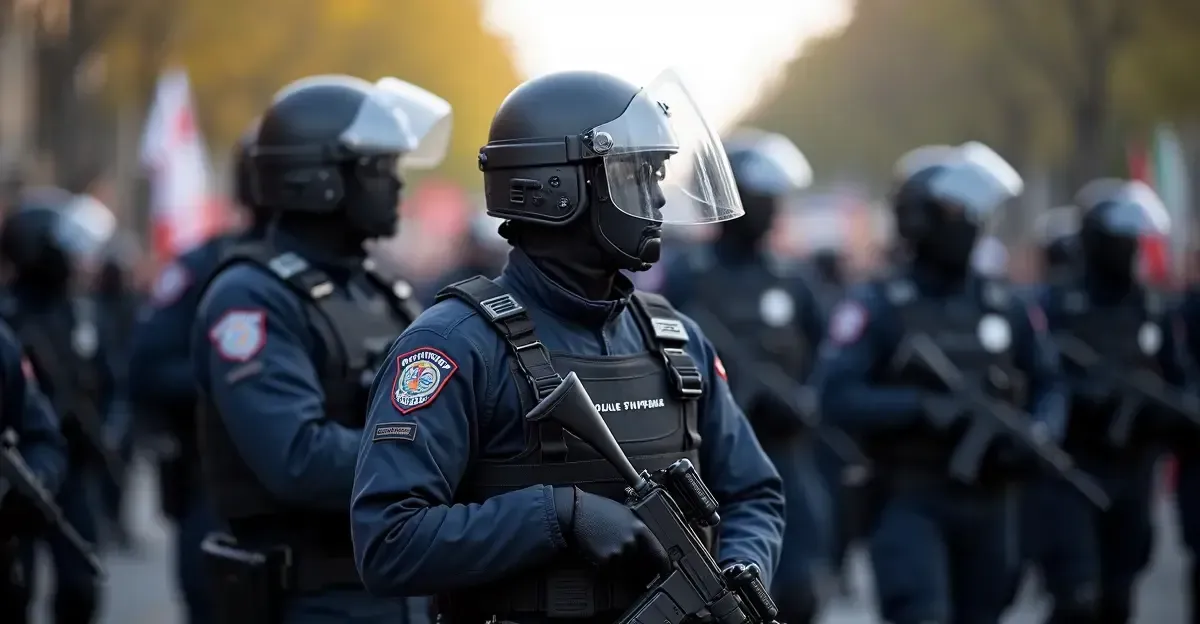
Georgian authorities have dismissed the findings as 'absurd' and maintained that police acted legally against what they called 'illegal actions of brutal criminals.' The government has consistently defended its handling of the protests, which began in October 2024 after parliamentary elections that opposition groups claimed were fraudulent.
Broader Political Context
The use of the chemical weapon occurred during protests against Georgia's decision to suspend its EU accession process. The pro-Russian Georgian Dream party, led by billionaire Bidzina Ivanishvili, came to power in 2024 and has since faced daily protests. The government's move to pause EU membership negotiations for four years shocked the nation, where approximately 80% of the population supports European integration.
UN Special Rapporteur on Torture Alice Edwards called the use of such chemicals 'exceedingly dangerous' and suggested it could potentially constitute torture under international law. While international law permits the use of chemical agents for crowd control in some circumstances, it requires that such use be proportional and not cause long-term effects.
The protests have continued for over a year, with demonstrators gathering nightly in Tbilisi despite increasingly repressive measures from authorities. The government has implemented massive fines, criminal charges against young protesters, and laws allowing up to a year in jail for blocking traffic. Six key opposition figures have been jailed, with eight more facing up to 15 years for alleged sabotage.
The European Union's recent enlargement report delivered devastating findings about Georgia's prospects, stating the country is now an EU candidate 'in name only' and not on track for membership by 2030. This investigation into chemical weapons use adds another layer to the growing international concern about human rights and democratic backsliding in Georgia.
Follow Discussion