
 English






What is the Gulf States' War Dilemma?
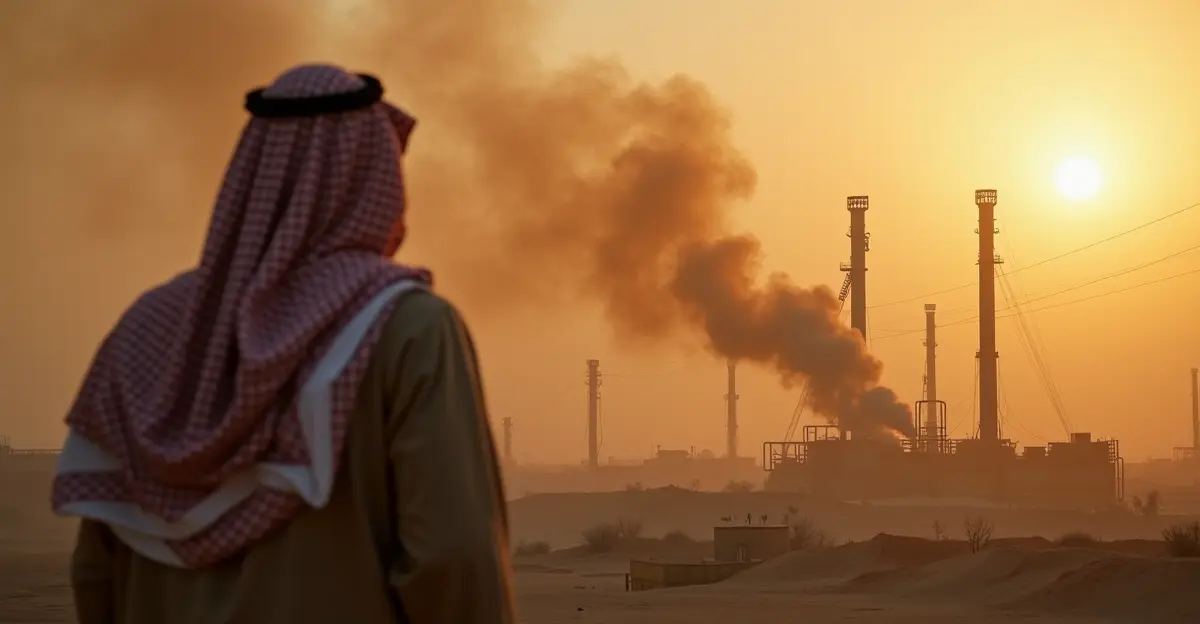
The Gulf Cooperation Council (GCC) nations, including Saudi Arabia, Qatar, the United Arab Emirates, Kuwait, Bahrain, and Oman, face an unprecedented security crisis as Iranian attacks on their critical energy infrastructure enter a second month in March 2026. With thousands of drones and missiles targeting oil refineries, gas facilities, ports, airports, and commercial centers, these wealthy monarchies must decide whether to remain passive observers or actively join the escalating Middle East conflict. The situation represents a fundamental threat to the economic foundations that have transformed these nations into global powers over the past three decades.
Background: From Regional Stability to War Zone
For decades, the Gulf states maintained relative stability and prosperity despite regional tensions, positioning themselves as oases of wealth in a turbulent Middle East. However, the current conflict has shattered this carefully constructed security architecture. Iranian retaliatory strikes began after Israeli attacks on Iran's South Pars offshore gas field, which supplies 80% of Iran's power generation. The Iranian response has been systematic and devastating, hitting a Saudi refinery in Yanbu, setting Qatari liquefied natural gas facilities ablaze, and attacking Kuwaiti oil refineries. These strikes have sent global oil prices soaring to $118 per barrel, a 60% increase since the war began.
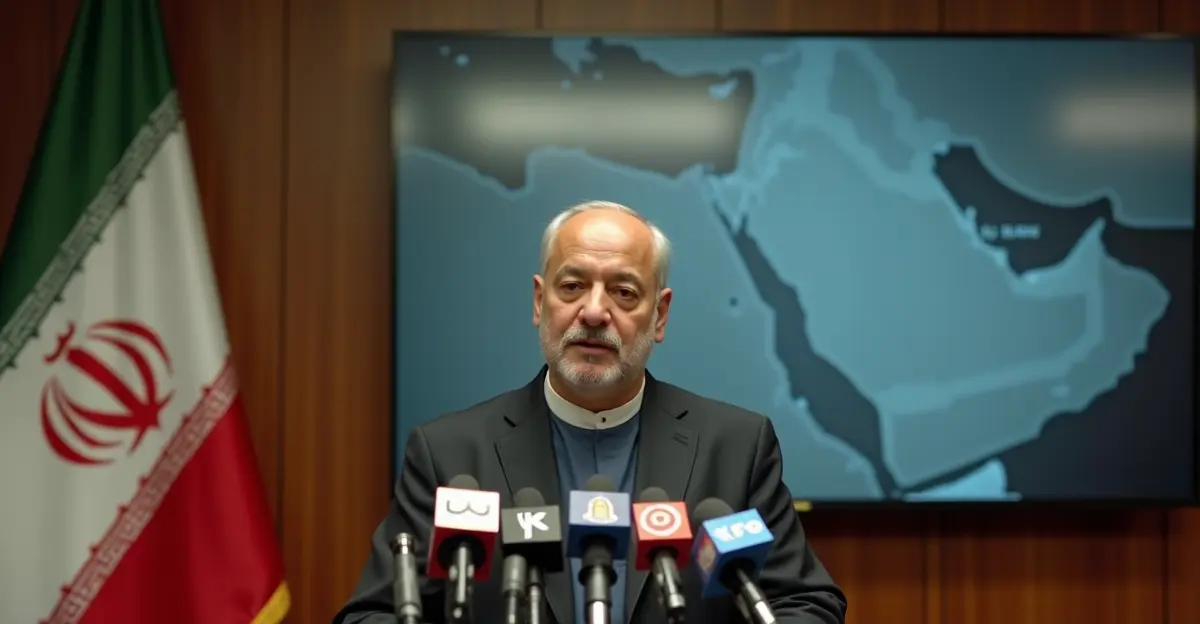
The attacks represent a strategic shift in regional conflict dynamics. Unlike previous confrontations where energy infrastructure was largely spared, Iran has deliberately targeted the economic heart of Gulf nations. 'Iran has clearly shown that the strategy is to make this war as expensive as possible by deliberately attacking oil facilities in Qatar, Bahrain and Kuwait and directing most attacks on Saudi Arabia and our oil facilities,' says Faisal Abbas, editor-in-chief of Arab News, an English-language newspaper in Saudi Arabia.
Military Reality: Defensive Capabilities Under Strain
The Gulf states possess sophisticated air defense systems, primarily American-made Patriot missiles, but these resources are being depleted at an alarming rate. The high intensity of attacks has created a consumption rate that exceeds resupply capabilities. Military analysts warn that defensive missile stockpiles could be exhausted within weeks if current attack patterns continue.
Each Gulf nation maintains distinct military partnerships that could influence their decision-making:
- Saudi Arabia hosts US forces at Prince Sultan Air Base and has a formal mutual defense pact with Pakistan
- Qatar hosts the largest US military base in the region (Al Udeid)
- The UAE hosts US assets including F-22 Raptors and recently secured an $8.4 billion arms deal
- Bahrain hosts the US Navy's Fifth Fleet
- Kuwait hosts Camp Arifjan, a major US logistics hub
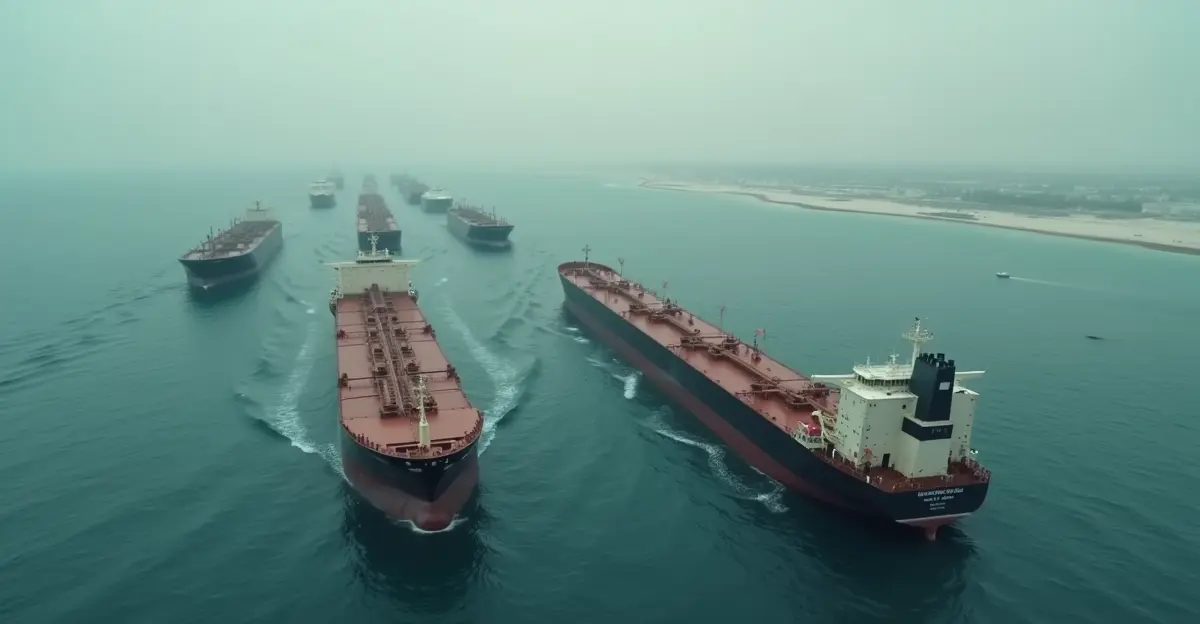
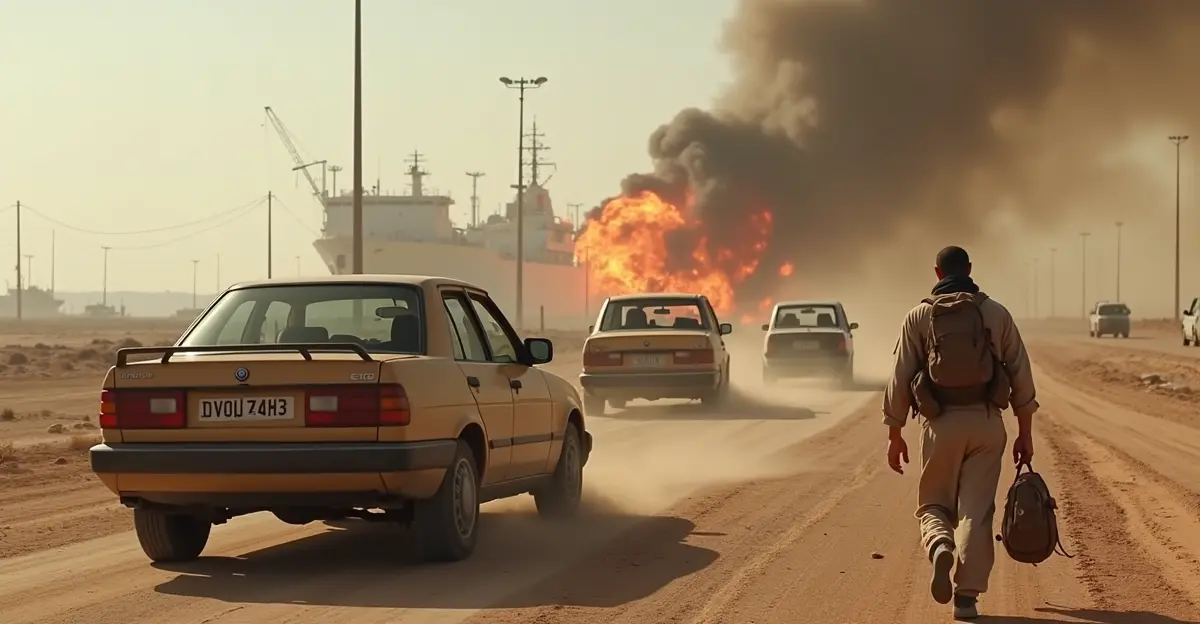
Despite these alliances, there's growing concern that allies aren't providing sufficient support, particularly in securing the strategic Strait of Hormuz where over 20 vessels have been attacked and two ships set ablaze off UAE and Qatar coasts.
Saudi Arabia's Tipping Point: The Decision Calculus
Saudi Arabia faces the most complex decision matrix among Gulf states. As the region's economic and military heavyweight, its potential intervention would dramatically alter the conflict's dynamics. The kingdom must balance multiple factors:
Economic Imperatives
With 17% of Qatar's LNG capacity damaged and repairs projected to take 3-5 years, and Saudi oil facilities repeatedly targeted, the economic costs are mounting rapidly. The attacks threaten the very revenue streams that fund Gulf states' transformation projects and global influence.
Strategic Partnerships
Saudi Arabia's defense pact with Pakistan, a nuclear-armed state, creates potential escalation risks. The agreement stipulates that aggression against either nation constitutes an attack on both. This domino effect could draw multiple additional nations into the conflict.
Diplomatic Considerations
The Gulf states have maintained diplomatic relations and security agreements with Iran even while cultivating ties with the West. This delicate balancing act has allowed them to serve as mediators in regional disputes, but sustained attacks make this position increasingly untenable.
'I believe it should absolutely be avoided unless there is no alternative. But if necessary, we are more than ready to take action and can cause great damage. But the Saudi rulers are also patient and will not do anything that will jeopardize diplomatic talks that are now ongoing,' Abbas explains, highlighting the kingdom's cautious approach.
Regional Unity and Divergent Interests
While the Gulf states present a united front publicly, their individual circumstances create different thresholds for intervention. Mina Al-Oraibi, editor-in-chief of The National in Abu Dhabi, notes: 'In my conversations with Gulf officials, I get the impression that they do not want to actively participate. But there is a limit.'
The UAE, Qatar, and Saudi Arabia have made clear they don't want merely a ceasefire that leaves the Iranian threat intact and allows war to flare up again at any moment. 'It is therefore very important that diplomatic efforts focus on long-term stability for the countries in this region,' Al-Oraibi emphasizes.
Global Implications and Oil Market Impact
The conflict has already disrupted 20% of global LNG supplies and threatens to impact oil markets significantly. With repairs to Qatari gas facilities expected to take years and cost billions, the long-term energy security implications are profound. The Strait of Hormuz shipping crisis has already affected global trade routes, with insurance premiums skyrocketing for vessels transiting the region.
Analyst Salman Al-Ansari from Riyadh warns: 'Saudi Arabia is not rushing toward war, but patience is certainly not unlimited. And the Iranian regime would make a serious mistake if it sees our restraint as weakness.' This sentiment reflects growing frustration among Gulf leadership as attacks continue unabated.
FAQ: Gulf States and the Iran Conflict
What triggered the Iranian attacks on Gulf states?
Iran launched retaliatory strikes after Israel targeted its South Pars offshore gas field in March 2026. The Iranian response has systematically targeted energy infrastructure across multiple Gulf nations.
How have oil prices been affected?
Global oil prices have surged to $118 per barrel, representing a 60% increase since the conflict began. The attacks have disrupted approximately 20% of global LNG supplies.
What military capabilities do Gulf states possess?
Gulf nations maintain sophisticated air defense systems, primarily Patriot missiles, but these are being depleted rapidly. They also host significant US military presence and have various defense partnerships with countries including Pakistan, Turkey, and the UK.
Could Saudi intervention trigger wider regional war?
Yes, Saudi Arabia's defense pact with Pakistan and other regional alliances could create a domino effect, potentially drawing multiple additional nations into the conflict and escalating it beyond current boundaries.
What are the economic consequences of continued attacks?
Repairs to damaged Qatari LNG facilities alone are projected to take 3-5 years and cost billions. The attacks threaten the fundamental economic model that has enabled Gulf states' global influence over recent decades.
Sources
Military.com: Iran Attacks Gulf Refineries
Al Jazeera: Gulf Military Alliances



Follow Discussion