Nederlands
 English
 Deutsch
 Français
 Español
 Português





Breaking: Swiss Train Derails After Avalanche Strikes Tracks
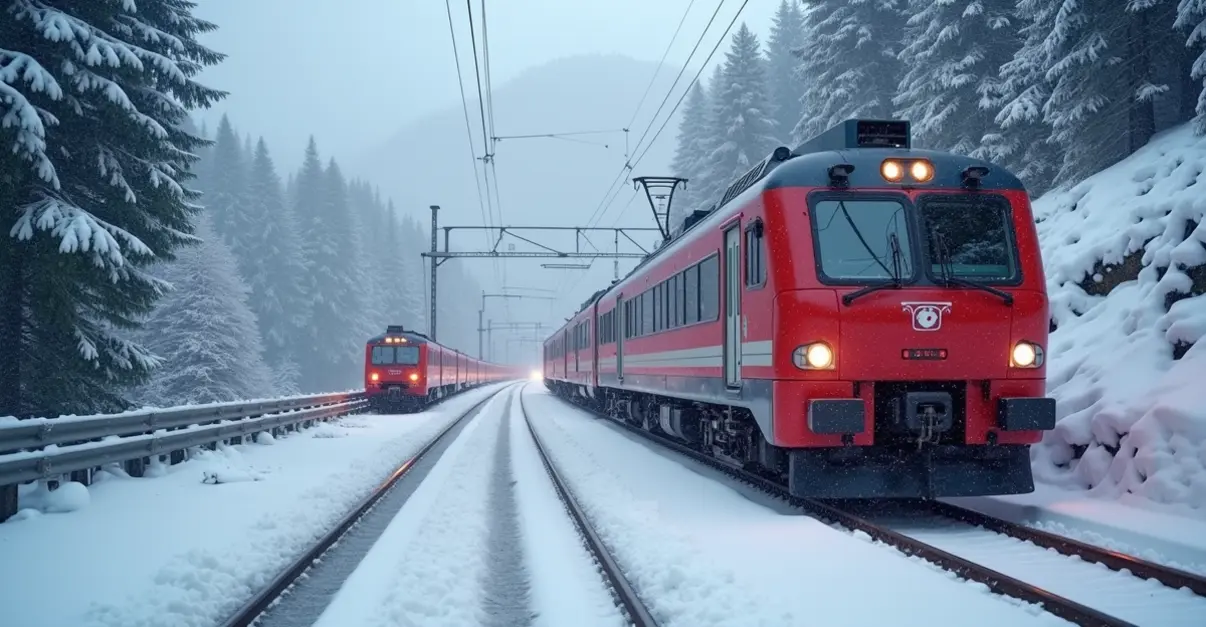
A passenger train derailed in the Swiss Alps on Monday, February 16, 2026, after an avalanche struck the tracks near Goppenstein in the canton of Valais, injuring five people. The incident occurred around 7:00 AM local time when a RegioExpress train carrying 29 passengers emerged from a tunnel and collided with snow that had cascaded onto the railway line.
What Happened During the Goppenstein Train Derailment?
The train was traveling on the Bern-Lötschberg-Simplon (BLS) route between Goppenstein and Brig when it encountered an avalanche that had fallen onto the tracks. According to the Kantonspolizei Wallis (Valais cantonal police), the train derailed immediately after exiting the Stockgraben Tunnel between Goppenstein and Hohtenn. 'The train came out of the tunnel and hit the snow masses, causing it to derail,' explained police spokesperson Markus Fischer.
Of the five injured passengers, one required hospitalization at Sion Hospital with moderate injuries, while the other four received on-site medical treatment from emergency responders. All 29 passengers were safely evacuated from the train within hours of the incident, despite initial reports suggesting up to 80 people might have been onboard.
Emergency Response and Rescue Operations
The rescue operation involved multiple agencies working in challenging alpine conditions:
- Eight mountain rescuers from Alpine Rescue Switzerland
- Two ambulances with medical teams
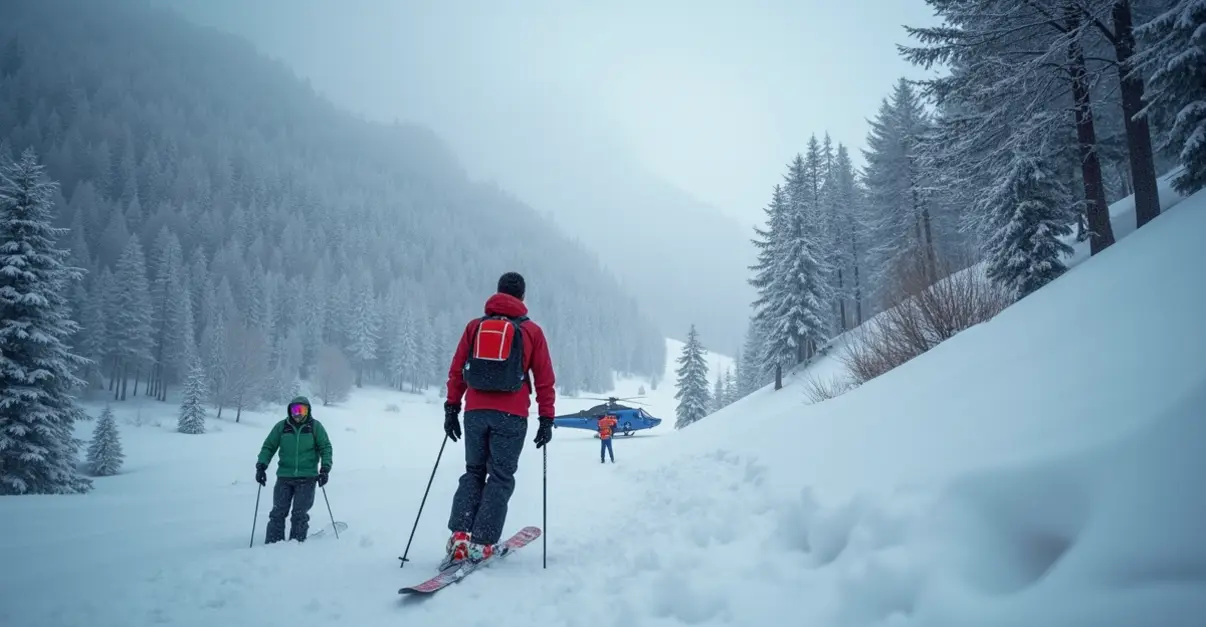
- A rescue helicopter for aerial assessment and transport
- Two fire and rescue trains equipped for railway emergencies
- Local fire departments from surrounding communities
The coordinated response ensured all passengers were evacuated by midday, with the most seriously injured transported to medical facilities.
Why Are Avalanches a Growing Threat to Alpine Railways?
The Goppenstein derailment occurred during a period of extreme avalanche danger across the European Alps. The Swiss Federal Institute for Snow and Avalanche Research (SLF) had recently raised the avalanche threat level to 4 (second highest on a 5-point scale) for the Valais region. This dangerous situation results from a combination of factors:
| Factor | Impact on Avalanche Risk |
|---|---|
| Heavy snowfall | Accumulation of 2-3 meters in recent weeks |
| High winds | Wind slabs forming on leeward slopes |
| Temperature fluctuations | Weak layers developing in snowpack |
| Steep terrain | Natural avalanche paths intersecting infrastructure |
Similar to the 2025 Austrian avalanche railway incident, this event highlights the ongoing challenges of maintaining rail safety in mountainous regions during winter. The Swiss Federal Railways safety protocols include regular avalanche monitoring and controlled triggering, but natural events can still occur unexpectedly.
Impact on Transportation and Regional Services
The derailment has caused significant disruption to one of Switzerland's key north-south rail corridors. The Frutigen-Brig line, which includes the affected Goppenstein-Brig section, remains closed until at least Tuesday morning, February 17. This closure affects:
- Regional commuter services between Bern and Brig
- International freight traffic using the Lötschberg Base Tunnel
- Tourist transportation to popular alpine destinations
- Local residents dependent on rail connections
BLS, the railway operator, has established bus replacement services between Goppenstein and Brig, but travel times are significantly extended. The company estimates full service restoration will require track inspections, snow removal, and potential repairs to damaged infrastructure.
What This Means for Future Alpine Rail Safety
This incident raises important questions about railway safety in avalanche-prone areas. While Switzerland has one of the world's safest rail systems, climate change may be increasing avalanche risks in previously stable areas. Experts suggest several measures could enhance safety:
- Enhanced avalanche detection systems using radar and sensors
- Improved avalanche sheds and protective structures
- More frequent controlled triggering in high-risk periods
- Advanced weather monitoring and predictive modeling
The European rail safety regulations are likely to be reviewed following this incident, particularly regarding infrastructure protection in mountainous regions. Similar to discussions after the 2024 Norwegian train avalanche near Bergen, authorities will examine whether current protective measures are sufficient given changing climate patterns.
Frequently Asked Questions (FAQ)
How many people were injured in the Swiss train derailment?
Five people were injured, with one requiring hospitalization in Sion and four receiving on-site treatment.
What caused the train to derail near Goppenstein?
The train derailed after hitting an avalanche that had fallen onto the tracks immediately after the Stockgraben Tunnel.
How long will the railway line be closed?
The Goppenstein-Brig section is expected to remain closed until at least Tuesday morning, February 17, 2026.
Were there any fatalities in the accident?
No fatalities were reported. All 29 passengers were safely evacuated from the train.
What is being done to prevent similar incidents?
Authorities are reviewing avalanche protection measures, and BLS is conducting a full investigation to identify potential safety improvements.
Sources
Independent: Swiss train derails after avalanche
SwissInfo: Train derailment in Goppenstein
Guardian: Train derails amid avalanche alert