


 Deutsch
 English
 Español
 Français
 Nederlands
 Português


 Share
Share




Historic Funding Breakthrough for Global Mangrove Protection
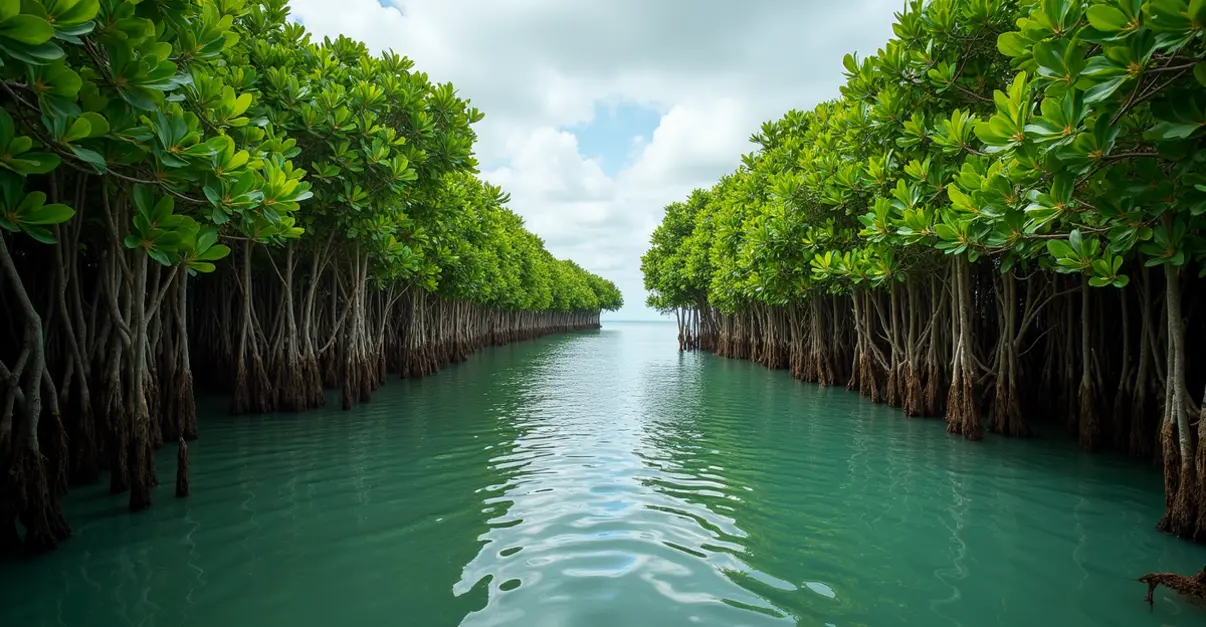
In a landmark development for coastal conservation, a comprehensive $4 billion funding package has been secured to protect and restore 15 million hectares of mangrove ecosystems worldwide by 2030. The initiative, known as the Mangrove Breakthrough, represents one of the most significant investments in nature-based climate solutions to date and has profound implications for policy frameworks, carbon markets, and vulnerable coastal communities.
The Funding Framework and Strategic Targets
The funding breakthrough emerged from a collaborative effort involving the Global Mangrove Alliance, UN Climate Change High-Level Champions, and Systemiq, building on momentum from COP27 and COP28 climate conferences. The initiative operates across five strategic pillars: finance mobilization, community action, policy integration, project pipeline development, and narrative building. 'This isn't just about protecting trees—it's about rewiring how the world values natural infrastructure,' explains Dr. Maria Rodriguez, lead scientist at the Global Mangrove Alliance. 'Mangroves are our frontline defense against climate impacts while providing extraordinary economic and social benefits.'
The $4 billion target will be mobilized through innovative financial instruments including mangrove transition bonds, blue carbon credits, blended finance funds, and nature-based insurance products. According to the Mangrove Breakthrough initiative, this investment aims to achieve four critical targets: reducing net mangrove loss to zero, protecting 80% of remaining mangroves, restoring 50% of recently lost areas, and driving sustainable finance at scale.
Policy Implications and Market Transformation
The funding breakthrough is already catalyzing policy changes across multiple governments. Coastal nations from Indonesia to Mexico are integrating mangrove protection into their national climate strategies, recognizing mangroves' role in achieving Paris Agreement commitments. 'We're seeing a paradigm shift where mangroves are no longer viewed as expendable coastal land but as critical climate infrastructure,' notes environmental policy analyst James Chen. 'This funding creates the economic rationale for policy makers to prioritize conservation.'
Carbon markets are experiencing significant transformation as blue carbon credits from mangrove restoration gain traction. The Financial Roadmap for mangrove protection developed at COP28 provides a practical pathway for scaling capital flows, with projections indicating mangrove carbon credits could become a multi-billion dollar market by 2030. These markets create new revenue streams for conservation while providing corporations with credible nature-based offsets.
Community Impact and Livelihood Opportunities
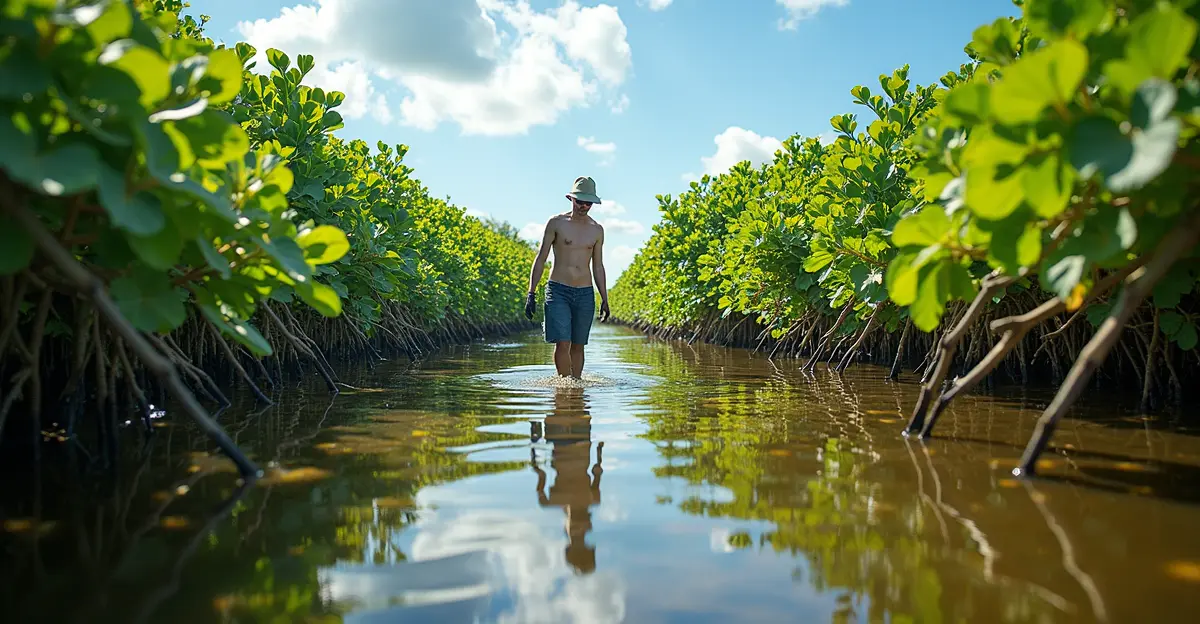
Perhaps the most significant aspect of this funding breakthrough is its emphasis on community-centered approaches. Local communities in mangrove regions, often among the world's most vulnerable to climate impacts, stand to benefit directly through employment, capacity building, and sustainable livelihood programs. 'For generations, our community has protected these mangroves without recognition or support,' says Fatima Bahari, a community leader from coastal Kenya. 'Now we have the resources to scale our efforts while creating economic opportunities for our youth.'
The initiative prioritizes equitable benefit-sharing and local leadership, with at least 30% of funding earmarked for community-led projects. Restoration efforts create jobs in nursery management, planting, monitoring, and ecotourism, while protecting existing mangroves preserves traditional fishing grounds and reduces disaster risk. According to Global Mangrove Trust's 6-Year Report, community-led restoration projects demonstrate 40% higher survival rates than top-down approaches, highlighting the importance of local knowledge and stewardship.
Environmental and Economic Benefits
The environmental returns on this $4 billion investment are staggering. Mangroves sequester carbon at rates 3-5 times higher than terrestrial forests, with the protected 15 million hectares expected to capture over 230 million tons of CO₂. They also provide critical coastal protection, reducing flood risk for approximately 15 million people and safeguarding $65 billion in property annually from storm surges and sea-level rise.
Beyond climate benefits, mangroves support extraordinary biodiversity, serving as nurseries for 25 billion marine juveniles annually and providing habitat for endangered species like the Atlantic goliath grouper. Their economic value extends to fisheries enhancement, water filtration, and tourism, with studies showing every dollar invested in mangrove restoration yields $3-5 in economic returns through ecosystem services.
Implementation Challenges and Future Outlook
Despite the funding breakthrough, significant implementation challenges remain. Monitoring restoration success across diverse geographies, ensuring transparent fund distribution, and navigating complex land tenure systems require careful management. 'The hard work begins now,' acknowledges climate finance expert David Park. 'We need robust governance structures, clear metrics, and continuous community engagement to turn this funding into lasting impact.'
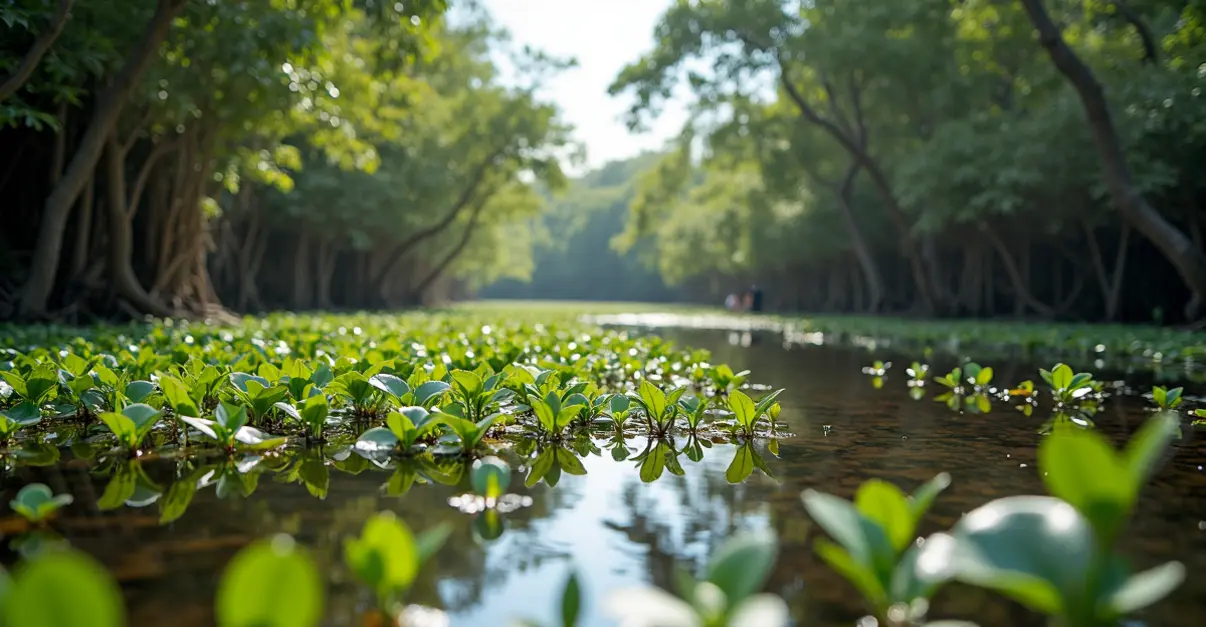
The initiative's success will depend on sustained collaboration between governments, financial institutions, NGOs, and local communities. Early implementation projects in Southeast Asia, East Africa, and Latin America are already showing promising results, with restored mangroves demonstrating rapid growth and immediate ecosystem service recovery. As the world races to address climate change while protecting biodiversity, this mangrove funding breakthrough offers a replicable model for valuing and investing in nature at scale.



Follow Discussion