


 Deutsch
 English
 Español
 Français
 Nederlands
 Português


 Share
Share




Major Funding Injection for Coastal Mangrove Restoration
A significant national program has secured substantial funding for coastal mangrove restoration, creating what experts are calling a 'triple-win' scenario for biodiversity conservation, storm protection, and economic development. The initiative, which has attracted $10 million in dedicated funding through the National Coastal Resilience Fund, represents one of the most comprehensive approaches to mangrove restoration in recent years.
According to environmental economist Dr. Maria Chen, 'This funding represents a paradigm shift in how we value coastal ecosystems. We're finally recognizing that mangroves aren't just trees - they're natural infrastructure that provides billions in economic benefits annually.'
Ecosystem Services and Storm Buffering
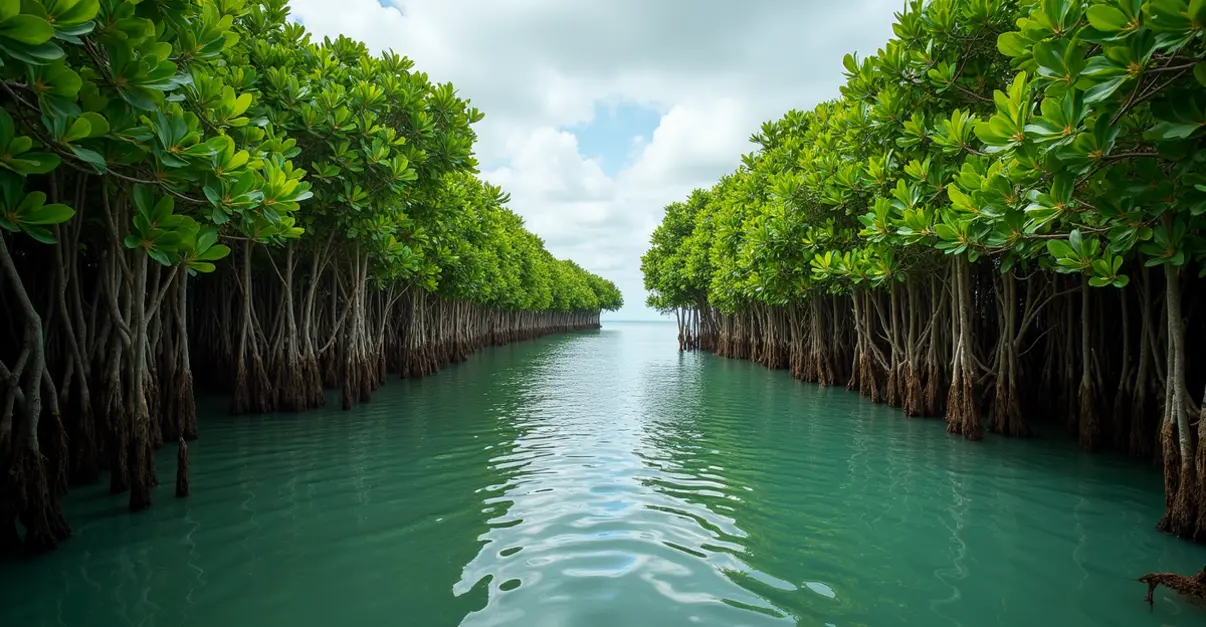
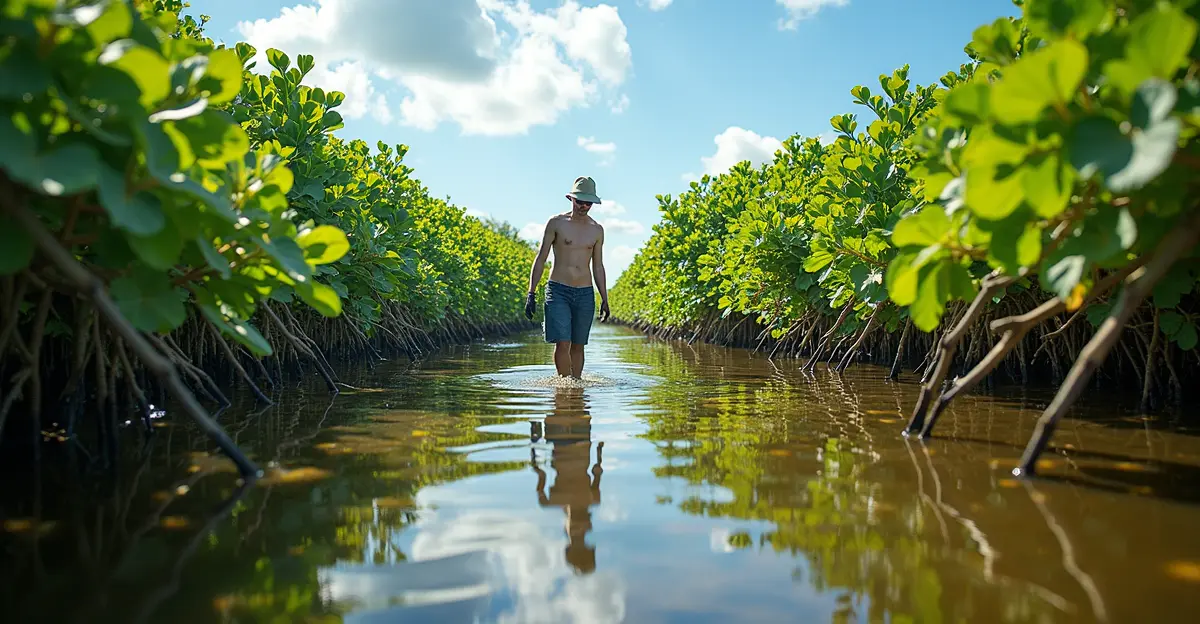
Mangroves serve as critical natural barriers against coastal storms and erosion. Research shows these coastal forests can reduce wave energy by up to 66% during storms, providing invaluable protection to coastal communities. The restoration program specifically targets areas most vulnerable to storm surges and sea-level rise.
The environmental benefits extend far beyond storm protection. Mangroves support over 1,300 fish species and serve as essential nurseries for commercially important marine life. 'Every dollar invested in mangrove restoration yields between $6 and $15 in ecosystem service benefits,' explains marine biologist Dr. James Rodriguez, who has studied mangrove ecosystems for over two decades.
Carbon Credits and Climate Mitigation
A groundbreaking aspect of the program is its integration of blue carbon credits. Mangrove soils store 3-5 times more carbon per hectare than tropical rainforests, making them exceptional carbon sinks. The program's 20-year restoration timeline is projected to sequester 19.4 teragrams of carbon in mangrove soils, potentially generating $68.6-236 million through carbon trading markets.
'Blue carbon represents one of the most promising avenues for climate finance,' says climate policy expert Sarah Thompson. 'By monetizing the carbon sequestration capacity of mangroves, we're creating sustainable funding streams for ongoing conservation efforts.'
Local Job Creation and Economic Development
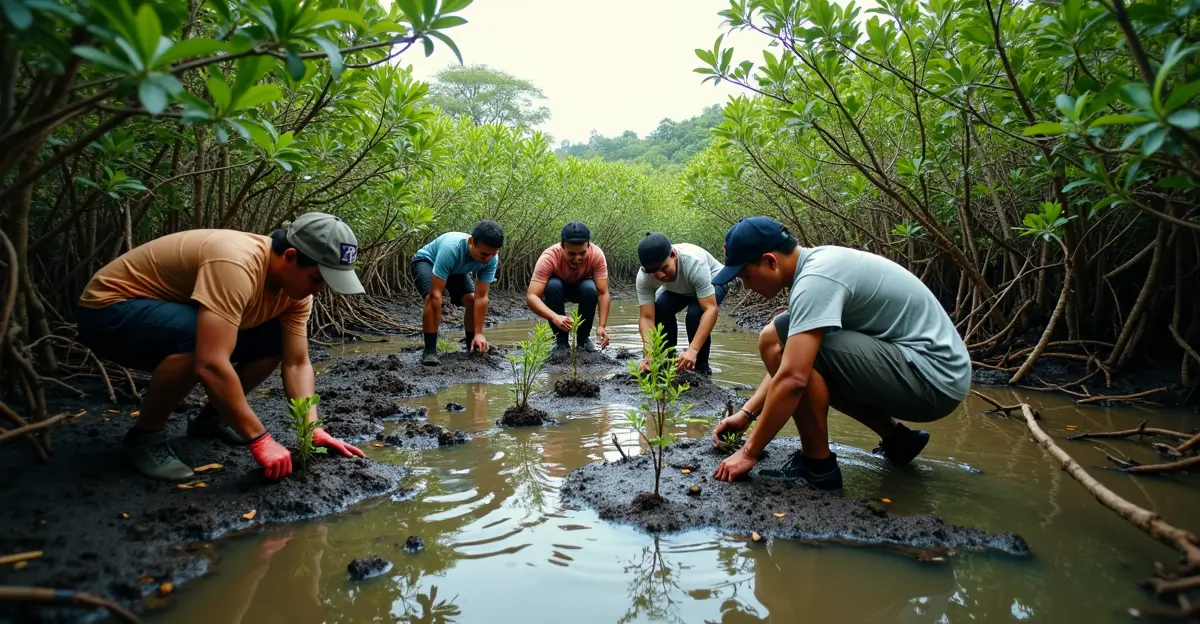
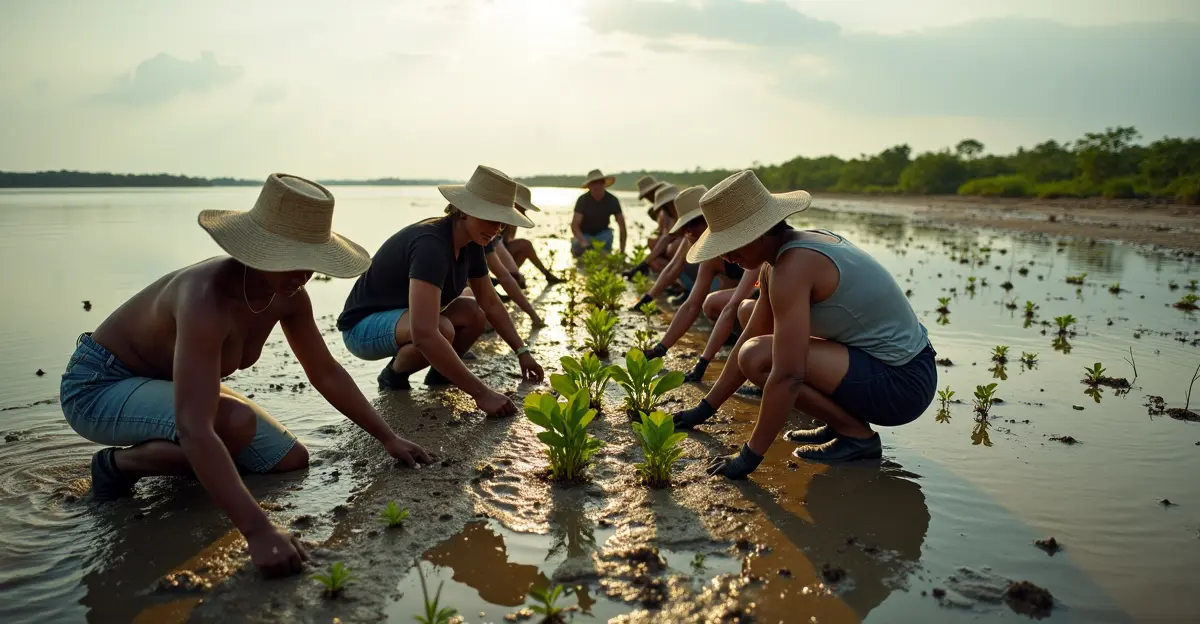
The restoration initiative is creating substantial employment opportunities in coastal communities. Positions range from restoration technicians and environmental educators to project managers and community liaisons. Programs like BoriCorps in Puerto Rico demonstrate how mangrove restoration can address both environmental and economic challenges simultaneously.
In Puerto Rico, following Hurricane Maria's devastation in 2017, the NOAA-funded BoriCorps program has become the largest mangrove restoration project in U.S. history at nearly 700 acres. 'We're not just restoring ecosystems - we're restoring livelihoods,' says program director Carlos Mendez. 'Participants receive sustainable wages above minimum wage, education awards, and valuable work experience that opens doors to environmental careers.'
Global Context and Future Outlook
The national program aligns with global initiatives like the Mangrove Breakthrough, which seeks to mobilize $4 billion to secure over 15 million hectares of mangroves by 2030. According to a recent study in Nature Communications, global mangrove ecosystem service value was estimated at $894 billion annually in 2019, primarily from regulating (57.4%) and provisioning (19.7%) services.
The funding timeline includes pre-proposals due in May 2025, full proposal invitations in mid-June, and award announcements expected in late November to early December 2025. Restoration implementation grants range from $1-10 million, with priority given to projects demonstrating strong community engagement and measurable environmental outcomes.
As coastal communities face increasing threats from climate change, this mangrove restoration program represents a forward-thinking approach to building resilience while creating economic opportunities. The integration of ecosystem services valuation, carbon finance, and job creation creates a sustainable model that could be replicated in coastal regions worldwide.

Follow Discussion