


 Deutsch
 English
 Español
 Français
 Nederlands
 Português


 Share
Share




Mangrove Restoration Program Launch: A Triple Win for Communities, Climate, and Coasts
In a groundbreaking development for coastal conservation, a comprehensive mangrove restoration program has launched, creating a powerful synergy between community employment, carbon credit generation, and enhanced storm protection. This innovative initiative represents a paradigm shift in how we approach ecosystem restoration, transforming environmental protection into economic opportunity while building resilience against climate change impacts. With global mangrove ecosystems valued at $894 billion annually according to a Nature Communications study, this program arrives at a critical moment when over 50% of the world's mangroves face collapse.
What is Mangrove Restoration?
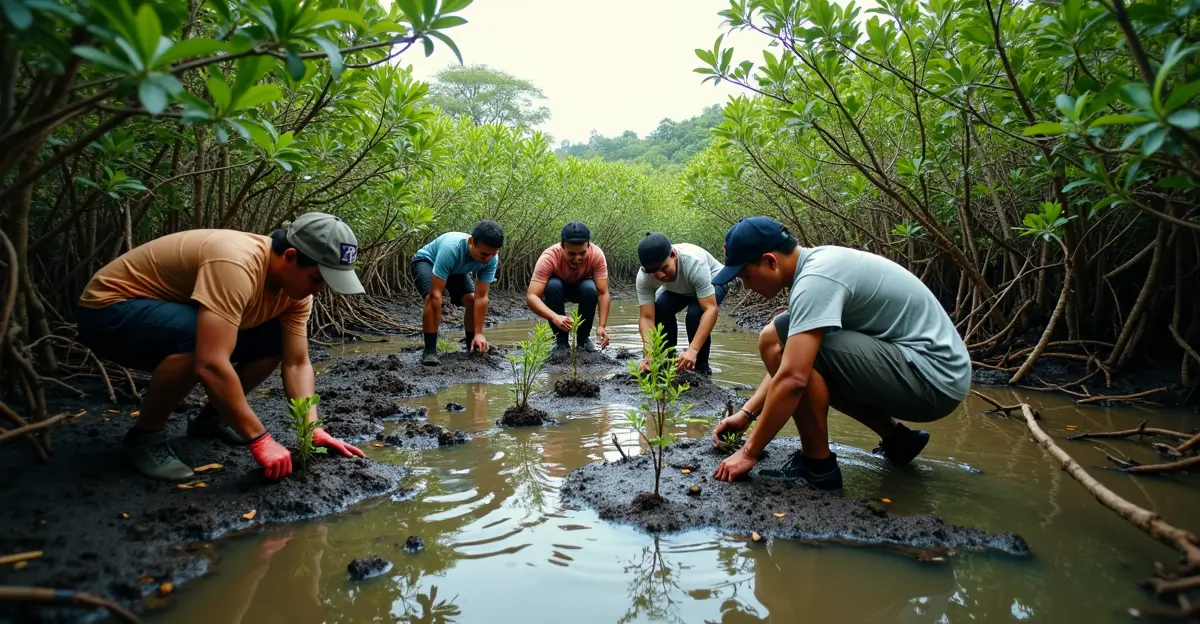
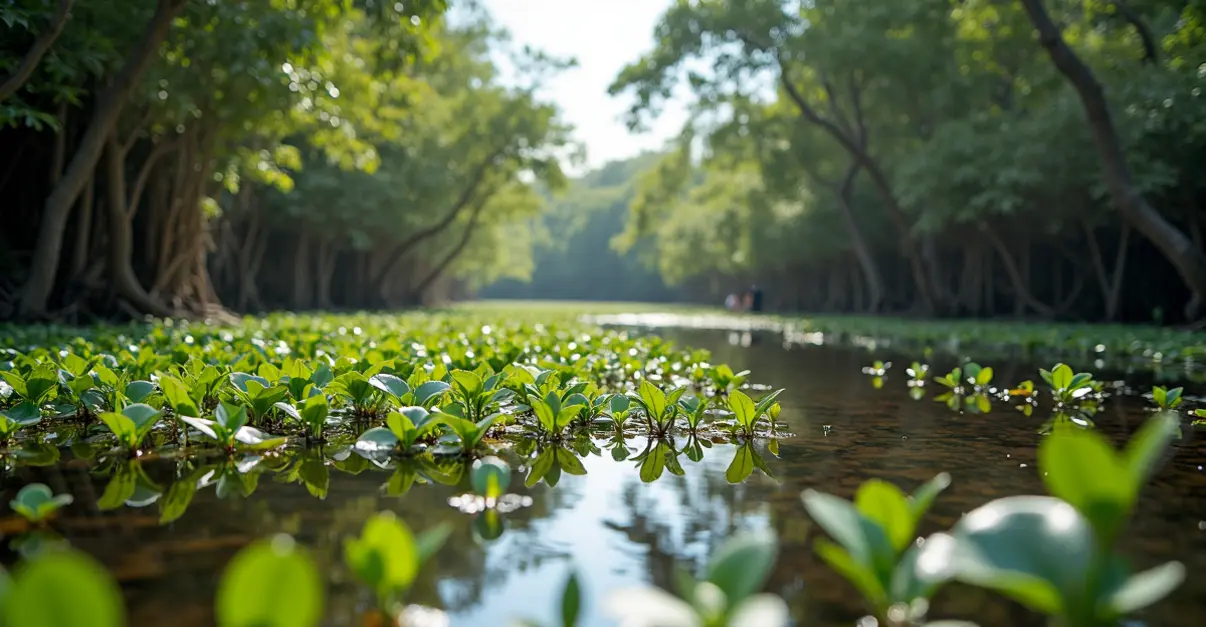
Mangrove restoration involves regenerating mangrove forest ecosystems in areas where they previously existed, assisting the recovery of degraded, damaged, or destroyed coastal wetlands. These unique trees and shrubs thrive in tropical and subtropical coastal environments, providing essential services including water filtration, aquatic nurseries, and protection from coastal erosion. The restoration process typically involves planting mangrove propagules, restoring hydrological conditions, and engaging local communities in long-term stewardship. Unlike many environmental projects, mangrove restoration offers immediate employment opportunities while delivering long-term ecological benefits.
The Economic Engine: Community Employment and Livelihoods
The program's community employment component represents a significant breakthrough in green job creation. By hiring local residents for restoration activities, monitoring, and maintenance, the initiative addresses both environmental and economic challenges simultaneously. According to recent data, coastal habitat restoration projects generate substantial economic returns, with every $1 invested in conservation practices returning $1.75 in economic activity. The program follows successful models like Puerto Rico's BoriCorps, which provides above-minimum-wage stipends and hands-on experience to young professionals while restoring nearly 700 acres of hurricane-damaged mangroves.
Job Creation Breakdown
The employment opportunities span multiple skill levels and specialties:
- Restoration Technicians: Planting mangrove propagules and restoring hydrological conditions
- Monitoring Specialists: Tracking growth rates, carbon sequestration, and biodiversity recovery
- Community Liaisons: Facilitating local engagement and traditional knowledge integration
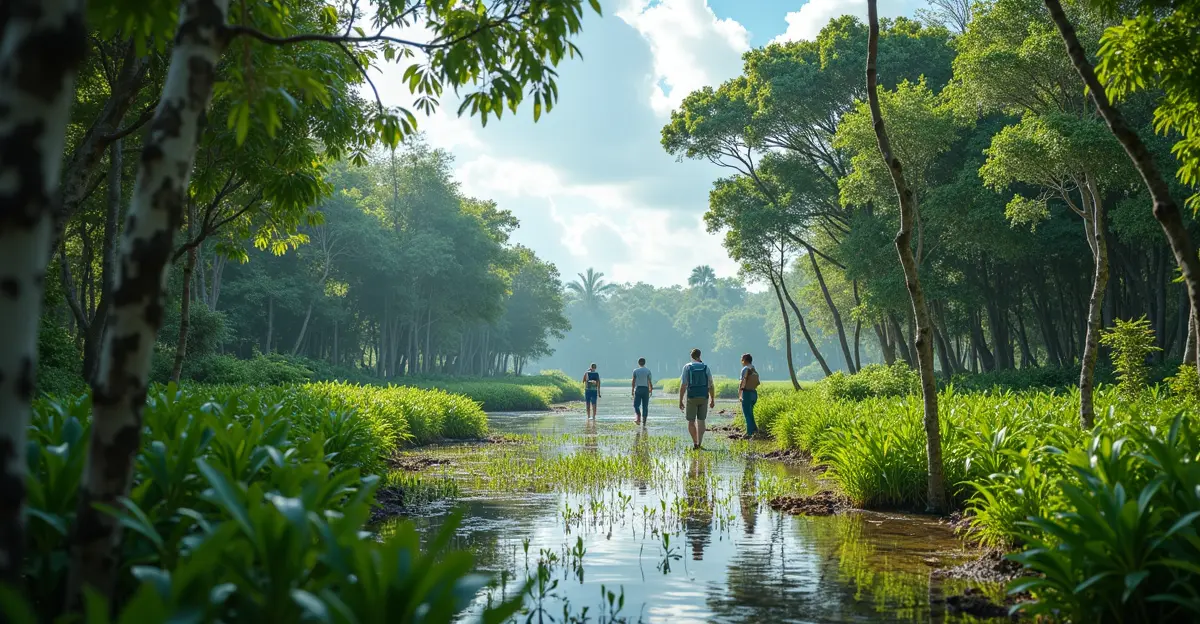
- Ecotourism Guides: Developing nature-based tourism opportunities around restored areas
- Research Assistants: Supporting scientific studies on ecosystem recovery and climate benefits
Carbon Credits: Financing Restoration Through Climate Action
The program's carbon credit component represents an innovative financing mechanism that makes environmental restoration economically sustainable. Mangroves are exceptionally efficient carbon sinks, storing up to five times more carbon per hectare than terrestrial forests through their biomass and anaerobic soils. This "blue carbon" potential creates valuable carbon credits that organizations can purchase to offset their emissions while funding conservation.
How Carbon Credits Work in Mangrove Restoration
The process involves several key steps:
- Baseline Assessment: Measuring existing carbon stocks and sequestration potential
- Restoration Implementation: Planting and managing mangrove ecosystems
- Monitoring and Verification: Using sophisticated technology to track carbon storage
- Credit Certification: Third-party verification through recognized standards like Verra or Gold Standard
- Market Trading: Selling verified credits to corporations and governments
A recent study projects that a 20-year mangrove restoration program could sequester 19.4 teragrams of carbon in soils, generating $68.6–236 million through blue carbon trading. This creates a sustainable funding stream that reduces dependence on traditional grants and donations.
Storm Protection: Nature's Coastal Defense System
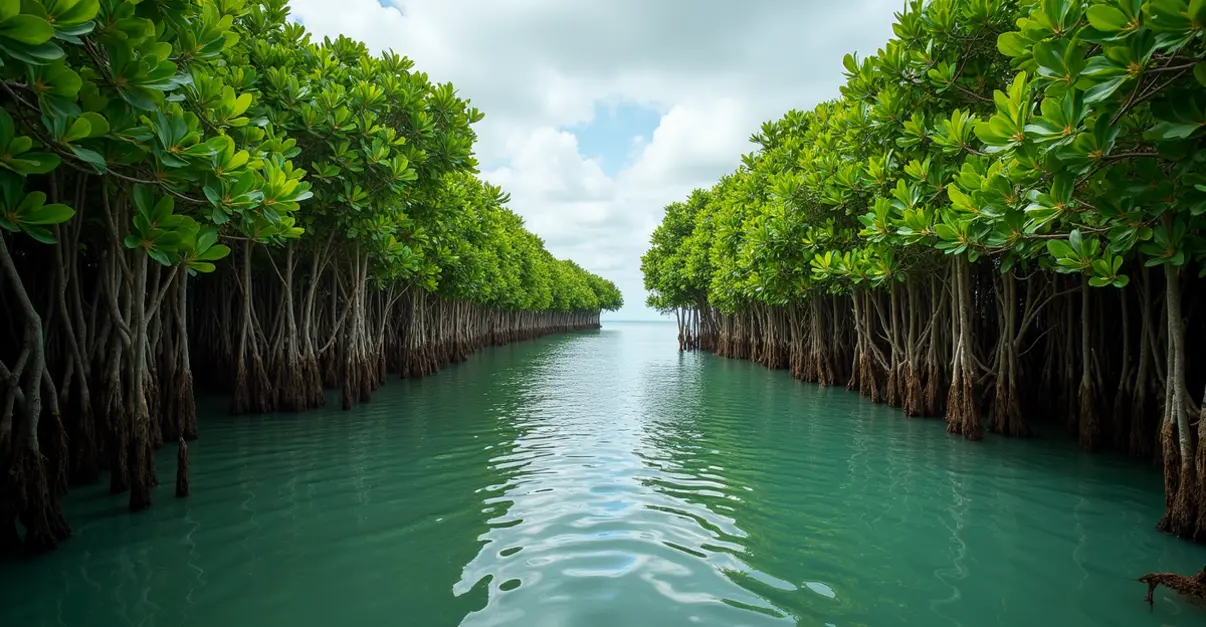
The storm protection benefits of mangrove restoration represent perhaps the most immediate and tangible value for coastal communities. Mangroves function as natural breakwaters, reducing wave energy by 13-66% and significantly lowering flood risks. Their dense root systems stabilize shorelines, trap sediments, and create natural barriers against storm surges and erosion.
Quantifying Protection Benefits
| Protection Service | Economic Value | Community Impact |
|---|---|---|
| Wave Energy Reduction | 13-66% reduction | Lower infrastructure damage |
| Flood Risk Mitigation | $48.8-219.8M over 30 years | Protected homes and businesses |
| Erosion Control | Sediment retention up to 90% | Preserved coastal land |
| Storm Surge Buffer | Up to 0.5m reduction | Enhanced community safety |
The Mangrove Breakthrough initiative estimates that protecting 15 million hectares of mangroves by 2030 could reduce flood risk for 15 million people and protect $65 billion in property annually. These figures demonstrate how mangrove restoration serves as critical infrastructure for climate resilience.
Monitoring and Long-Term Success
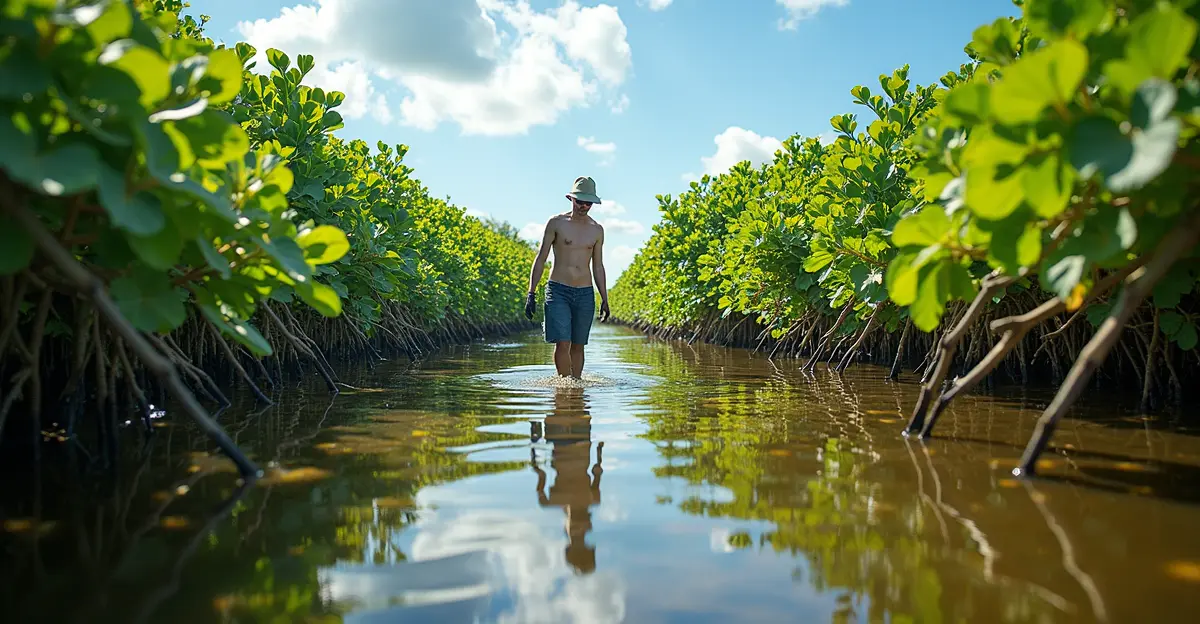
Sustained monitoring represents a crucial component of the program's success, ensuring that restoration efforts deliver lasting benefits. Advanced technologies including remote sensing, drone surveys, and on-ground measurements track multiple indicators:
- Ecological Health: Mangrove survival rates, growth metrics, and biodiversity recovery
- Carbon Sequestration: Soil carbon accumulation and biomass growth measurements
- Community Benefits: Employment statistics, livelihood improvements, and social impacts
- Protection Services: Erosion rates, flood mitigation effectiveness, and storm damage reduction
This comprehensive monitoring approach ensures accountability and enables adaptive management, allowing the program to refine techniques based on real-world results. The integration of traditional ecological knowledge with scientific monitoring creates a robust framework for success.
Global Context and Future Outlook
The launch of this mangrove restoration program aligns with global initiatives like the Mangrove Breakthrough, which aims to secure 15 million hectares of mangroves by 2030 through $4 billion in investment. With 44 governments representing 40% of global mangrove coverage endorsing ambitious targets, the political will for mangrove conservation has never been stronger. The program's innovative approach combining employment, carbon finance, and protection services could serve as a model for coastal resilience projects worldwide.
Frequently Asked Questions
How many jobs can mangrove restoration create?
Mangrove restoration projects typically create 10-50 direct jobs per 100 hectares restored, with additional indirect employment in monitoring, tourism, and related services. Larger programs like Puerto Rico's BoriCorps employ dozens of young professionals while restoring nearly 700 acres.
How much carbon do mangroves sequester?
Mangroves can store 3-5 times more carbon per hectare than tropical forests, with mature systems sequestering 6-8 tons of carbon per hectare annually. A 20-year restoration program could sequester 19.4 teragrams of carbon in soils alone.
How effective are mangroves for storm protection?
Mangroves reduce wave energy by 13-66% and can lower storm surge heights by up to 0.5 meters. Their root systems stabilize shorelines and reduce erosion, protecting coastal infrastructure worth billions annually.
What are the main challenges in mangrove restoration?
Key challenges include securing long-term funding, ensuring community participation, addressing land tenure issues, managing hydrological conditions, and maintaining restored areas against climate threats and development pressures.
How are carbon credits from mangroves verified?
Carbon credits undergo rigorous Measurement, Reporting, and Verification (MRV) protocols using remote sensing, field measurements, and third-party certification through standards like Verra's VM0033 methodology for tidal wetland and seagrass restoration.

Follow Discussion