


 Deutsch
 English
 Español
 Français
 Nederlands
 Português


 Share
Share




Historic Center Pedestrian Priority Program Launches Amid Mixed Reactions
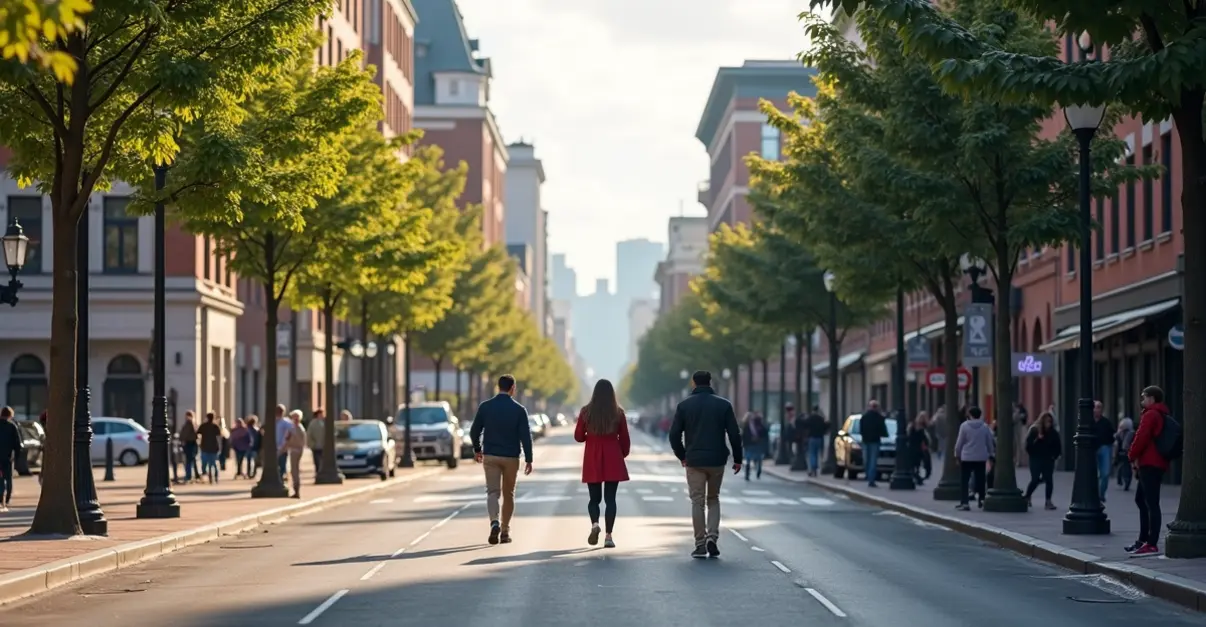
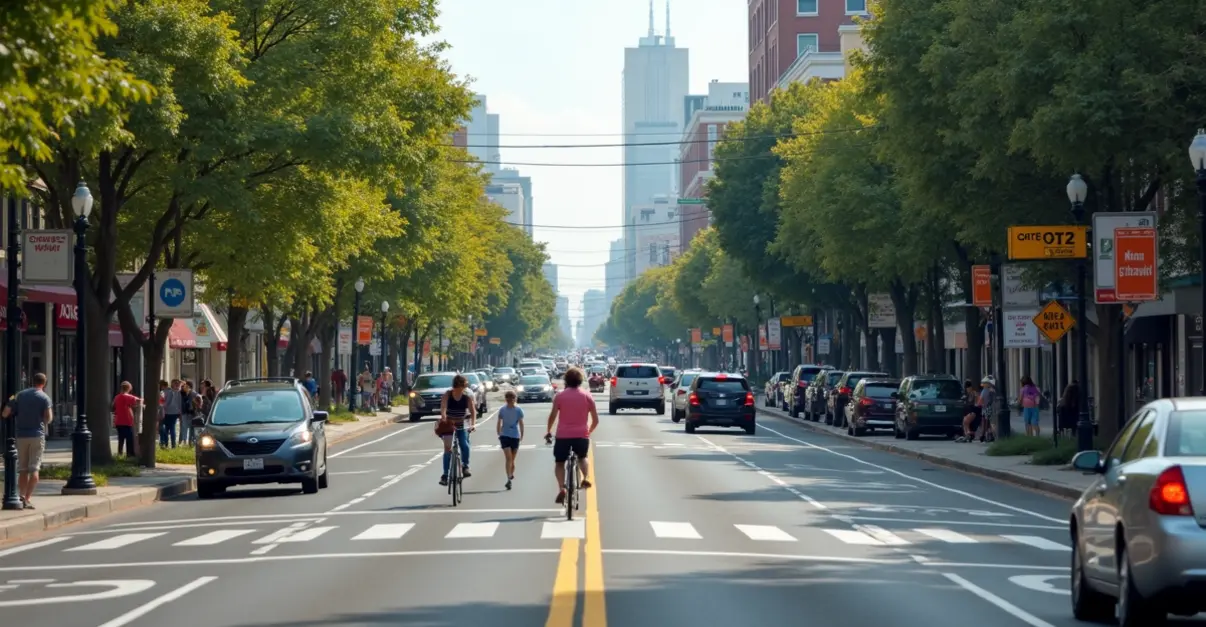
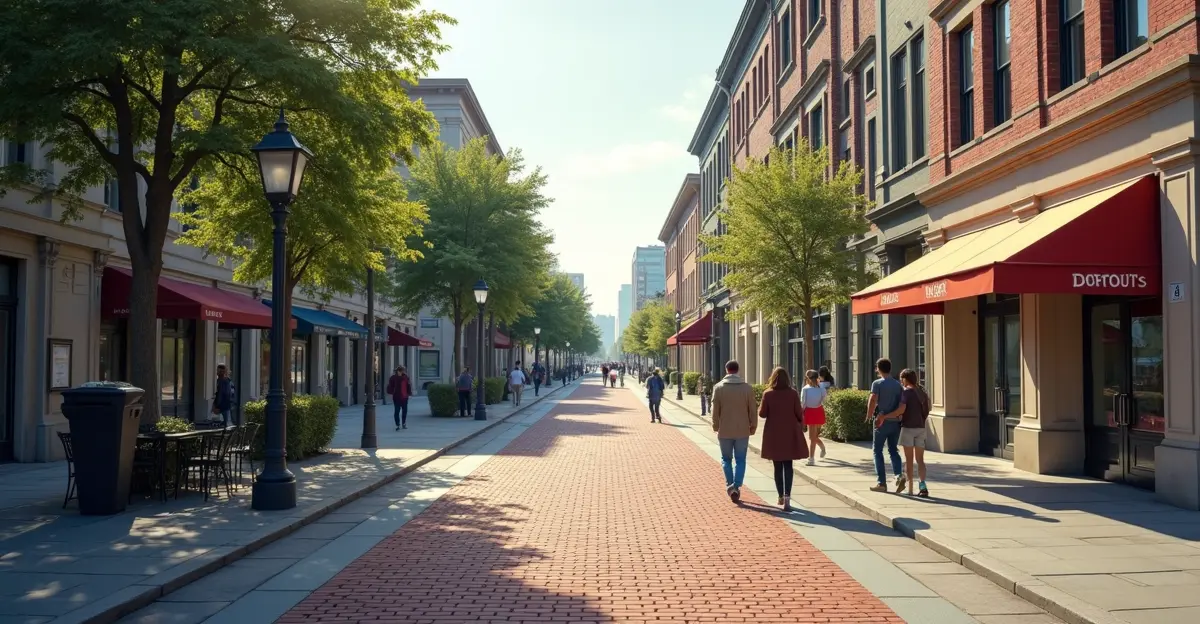
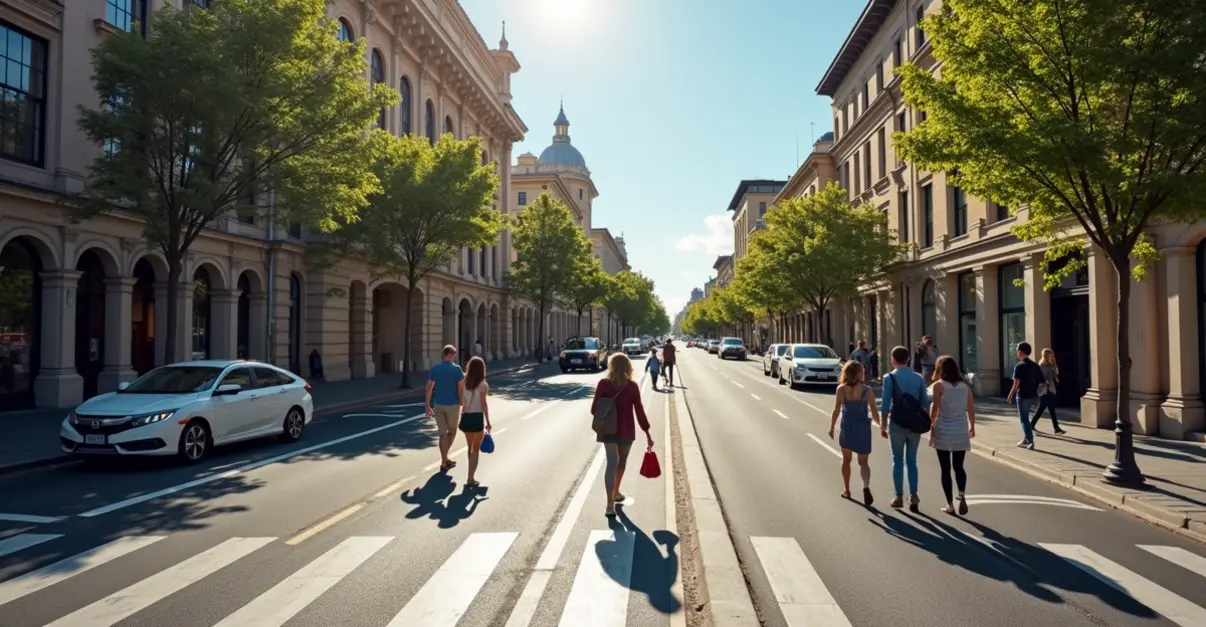
The ambitious Historic Center Pedestrian Priority Program has officially launched in cities across the country, aiming to transform congested downtown areas into vibrant, walkable spaces. The initiative, which involves significant traffic rerouting and the creation of pedestrian-only zones, has sparked intense debate among business owners, residents, and urban planners about its economic and environmental impacts.
Business Community Voices Concerns
Local merchants in historic districts are expressing both optimism and apprehension about the changes. 'We support creating a more pleasant environment for visitors, but we're worried about delivery access and whether customers will still come if they can't park right outside,' says Maria Rodriguez, owner of a boutique gift shop in the affected zone. 'The first few weeks have been challenging with the new traffic patterns.'
However, urban planning experts point to research showing that pedestrianization often boosts local economies in the long term. According to a 2025 study on pedestrian exposure to air pollution, well-designed pedestrian zones can increase foot traffic by 20-40% and retail sales by 10-25% within two years of implementation.
Air Quality Improvements Documented
Early monitoring data from cities that have implemented similar programs shows promising environmental results. Air quality sensors in pedestrianized areas have recorded reductions of 15-30% in nitrogen dioxide (NO2) levels and 10-20% in particulate matter (PM2.5) concentrations compared to adjacent vehicle-accessible streets.
'The air quality improvements are immediate and measurable,' explains Dr. James Chen, an environmental scientist who has studied urban air pollution patterns. 'When you remove vehicles from historic centers, you're not just reducing emissions—you're creating spaces where pollution doesn't accumulate in narrow streets.'
A comprehensive 2025 air quality study across urban functional zones confirms that pedestrian-focused areas show the most consistent pollution reductions, particularly for traffic-related pollutants.
Community Planning and Adaptation
The program includes extensive community engagement components, with town hall meetings, business advisory panels, and resident working groups helping to shape implementation. 'This isn't just about restricting cars—it's about reimagining how we use our historic spaces,' says urban planner Amina Khalid, who has been involved in several city programs. 'We're creating plazas, outdoor seating areas, and cultural spaces that bring communities together.'
Transportation alternatives are a key focus, with cities expanding bike-share programs, improving public transit connections, and creating designated loading zones for businesses. The Bicycle & Pedestrian Priority Areas program in Maryland serves as one model, demonstrating how coordinated planning can address mobility needs while prioritizing pedestrian safety.
Economic Transition Support
Recognizing the potential disruption to businesses, many municipalities are offering transition assistance programs. These include grants for storefront improvements, marketing support to attract pedestrian customers, and technical assistance for adapting business operations.
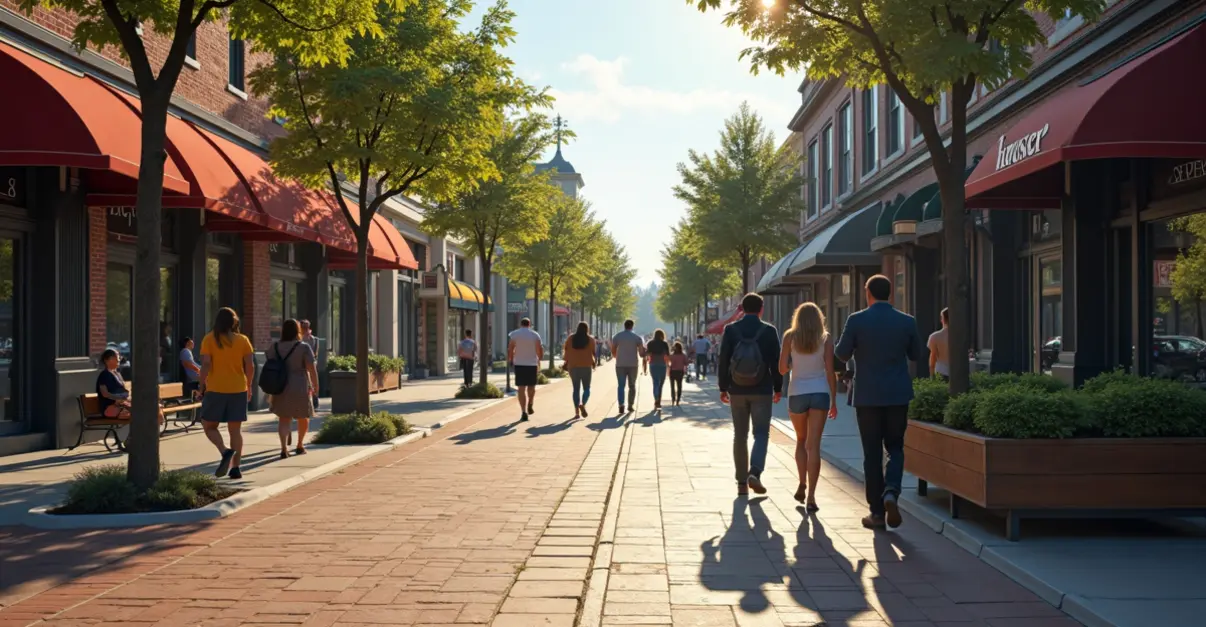
'We've seen businesses that embrace the change actually thrive,' notes economic development specialist Robert Kim. 'Cafés expand their outdoor seating, retailers create more engaging window displays, and service businesses adjust their hours to match pedestrian traffic patterns.'
Long-term Vision for Sustainable Cities
The Historic Center Pedestrian Priority Program represents a broader shift toward sustainable urban development. As cities worldwide grapple with climate change, air pollution, and quality of life concerns, pedestrianization of historic centers offers multiple benefits beyond immediate traffic reduction.
'This is about creating cities for people, not just cars,' says Khalid. 'When we prioritize pedestrians in our most historic and culturally significant areas, we're preserving our heritage while building healthier, more livable communities for future generations.'
The program's success will be closely monitored over the coming years, with comprehensive evaluations planned for 2026 to assess economic, environmental, and social outcomes. Early indicators suggest that despite initial challenges, the transformation of historic centers into pedestrian-friendly spaces could become a model for urban revitalization nationwide.

Follow Discussion