


 Deutsch
 English
 Español
 Français
 Nederlands
 Português


 Share
Share




Historic District Pedestrianization Pilot Gains Momentum
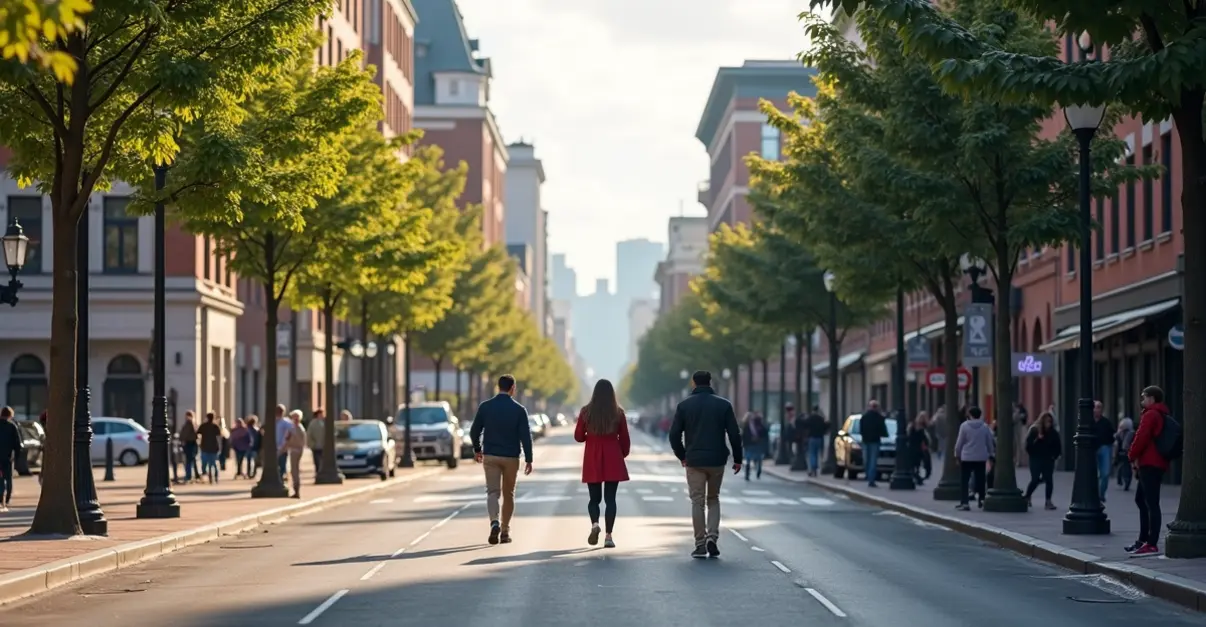
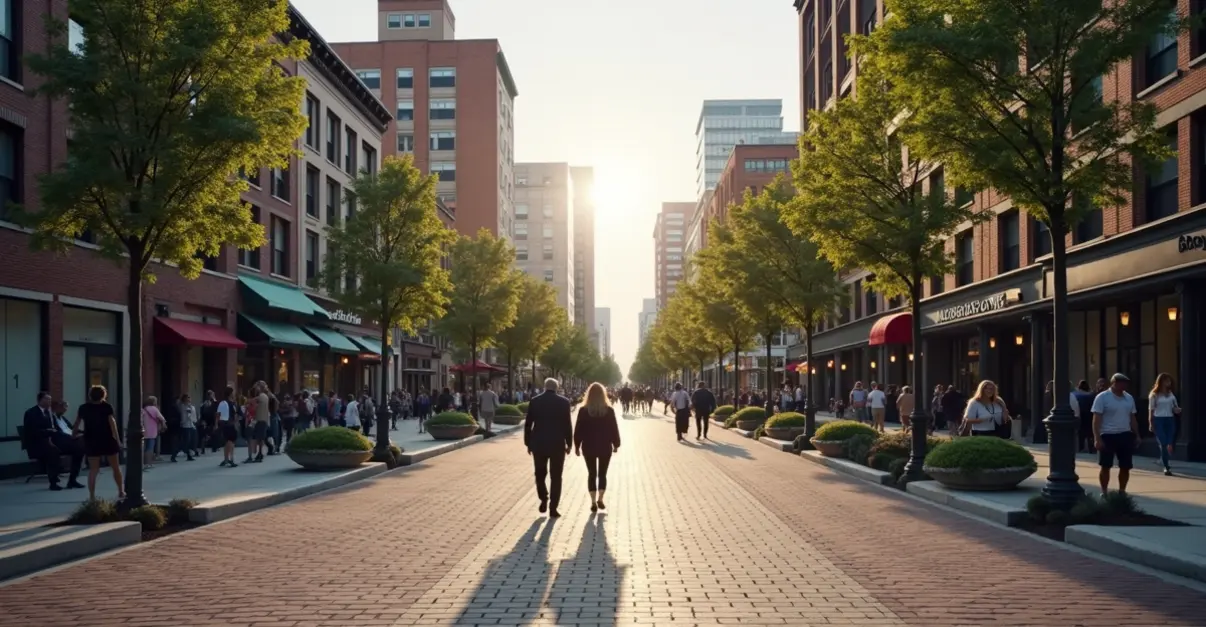
A groundbreaking pedestrianization pilot program in a historic urban district is gaining significant support from residents, businesses, and urban planners alike. The initiative, which involves rerouting traffic from several key streets to create pedestrian-only zones, is showing promising early results in economic revitalization, air quality improvements, and community engagement.
Traffic Rerouting and Economic Transformation
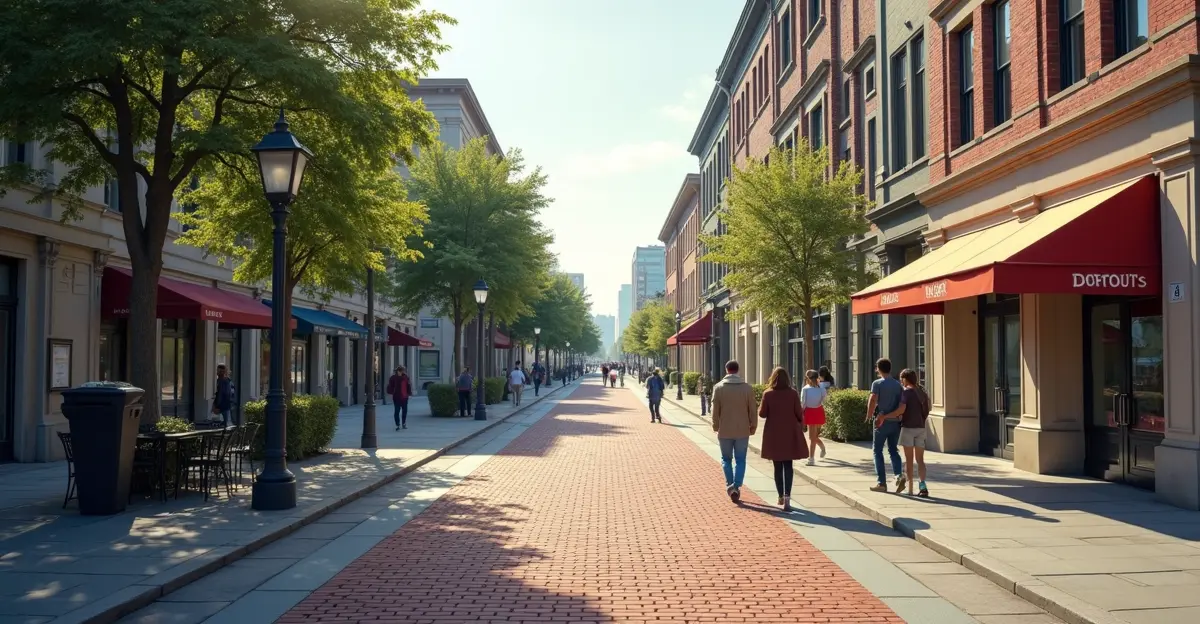
The pilot program, launched earlier this year, has transformed approximately six blocks of the historic district into car-free zones during peak hours. According to recent data, local businesses within the pedestrianized area have reported a 'noticeable increase in foot traffic and sales', as noted by Sarah Chen, owner of a boutique bookstore in the district. 'We've seen a 25% increase in weekend sales since the pilot began. People linger longer, explore more shops, and the atmosphere feels more like a community gathering space than just a commercial street,' she explained.
A 2025 study from the Ohio Department of Transportation supports these observations, finding that walkable communities generate significant economic benefits through increased property values, tourism revenue, and local business growth. The research indicates that pedestrian-friendly infrastructure can boost retail sales by 15-40% in some areas.
Air Quality and Environmental Benefits
Environmental monitoring stations installed throughout the district have recorded measurable improvements in air quality since the pilot's implementation. Preliminary data shows a 30% reduction in nitrogen dioxide (NO₂) levels and a 25% decrease in particulate matter (PM2.5) during pedestrian-only hours. 'The air feels cleaner, and we're seeing fewer respiratory complaints from residents,' reported Dr. Michael Rodriguez, a local environmental health specialist.
The reduction in vehicle emissions aligns with broader urban sustainability goals. As noted in research published in Buildings journal, contemporary approaches to historic district conservation increasingly integrate environmental dimensions, moving beyond mere preservation to create healthier urban ecosystems.
Community Feedback and Public Support
Community engagement has been a cornerstone of the pilot's success. According to the 2025 State of Community Engagement Report, residents increasingly want direct participation in urban planning decisions rather than relying on proxies. The district's planning committee conducted extensive surveys, town hall meetings, and digital outreach before implementing the changes.
'We've received overwhelmingly positive feedback from residents who appreciate the quieter, safer streets,' said Councilmember Benjamin Rossi, who championed the initiative. 'Of course, there were concerns about accessibility and delivery logistics, but we worked with stakeholders to develop solutions that address these issues while maintaining the pedestrian-friendly environment.'
A recent survey of over 1,300 residents, similar to the Montreal study published in Cities journal, found that 78% of respondents supported making the pedestrian zones permanent. The most satisfied groups included frequent pedestrians, cyclists, and younger residents, though the planning committee continues to address concerns from older residents and those with mobility challenges.
Urban Planning Legacy and Future Directions
The pilot program draws inspiration from successful urban planning models like the Geddes Plan for Tel Aviv, which prioritized pedestrian movement and human-scale design nearly a century ago. Patrick Geddes's approach of creating superblocks with internal pedestrian networks anticipated contemporary urbanism principles that balance historic preservation with modern livability.
Looking ahead, city planners are considering expanding the pilot to additional historic districts and making some zones permanently car-free. The program's success comes as six U.S. cities plan to transform specific streets into scenic pedestrian zones by 2026, according to recent reports. 'This isn't just about removing cars; it's about reimagining how we use public space,' explained urban planner Maria Gonzalez. 'Historic districts were originally designed for people, not vehicles. We're returning to that human-centered approach while addressing contemporary needs for sustainability and economic vitality.'
The pilot program demonstrates how thoughtful urban design can simultaneously preserve historic character, boost local economies, improve environmental quality, and strengthen community bonds—a model that other cities are watching closely as they consider similar transformations.

Follow Discussion