


 Deutsch
 English
 Español
 Français
 Nederlands
 Português


 Share
Share




Historic District Pedestrianization Plan Announced: A New Era for Urban Living
City officials have unveiled a groundbreaking pedestrianization plan for the historic district, marking a significant shift in urban policy that promises to reshape community life, boost local economies, and create more sustainable urban environments. The announcement comes as cities worldwide grapple with balancing preservation needs with modern urban demands.
The Plan's Core Components
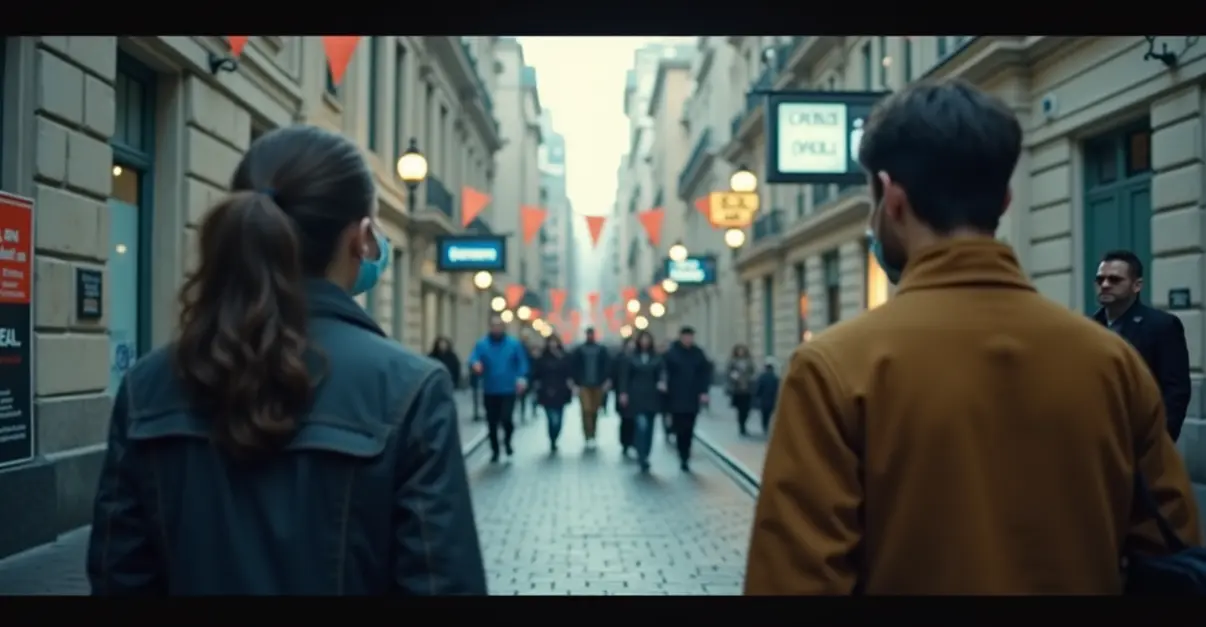
The comprehensive plan includes several key initiatives: converting select streets to pedestrian-only zones, widening sidewalks by up to 50%, installing new street furniture and public art installations, creating dedicated bicycle lanes, and implementing traffic-calming measures throughout the historic core. The plan also calls for enhanced lighting, improved accessibility features for people with disabilities, and the creation of new public gathering spaces.
'This isn't just about restricting cars—it's about reclaiming public space for people,' said Mayor Elena Rodriguez during the announcement. 'Our historic districts were designed for pedestrians centuries ago, and we're returning to that human-scale vision while addressing contemporary needs.'
Economic and Community Impacts
Research from similar initiatives shows pedestrianization can increase retail sales by 20-40% in affected areas, as slower-moving pedestrians tend to spend more time and money in local businesses. The plan includes specific provisions to support small businesses during the transition period, including temporary parking solutions and marketing assistance.
Local business owner Marcus Chen, who runs a century-old bookstore in the district, expressed cautious optimism: 'We've seen foot traffic decline over the years as parking became more difficult. If this brings more people walking by our windows, that could be transformative. But we need to ensure deliveries and accessibility for older customers are properly addressed.'
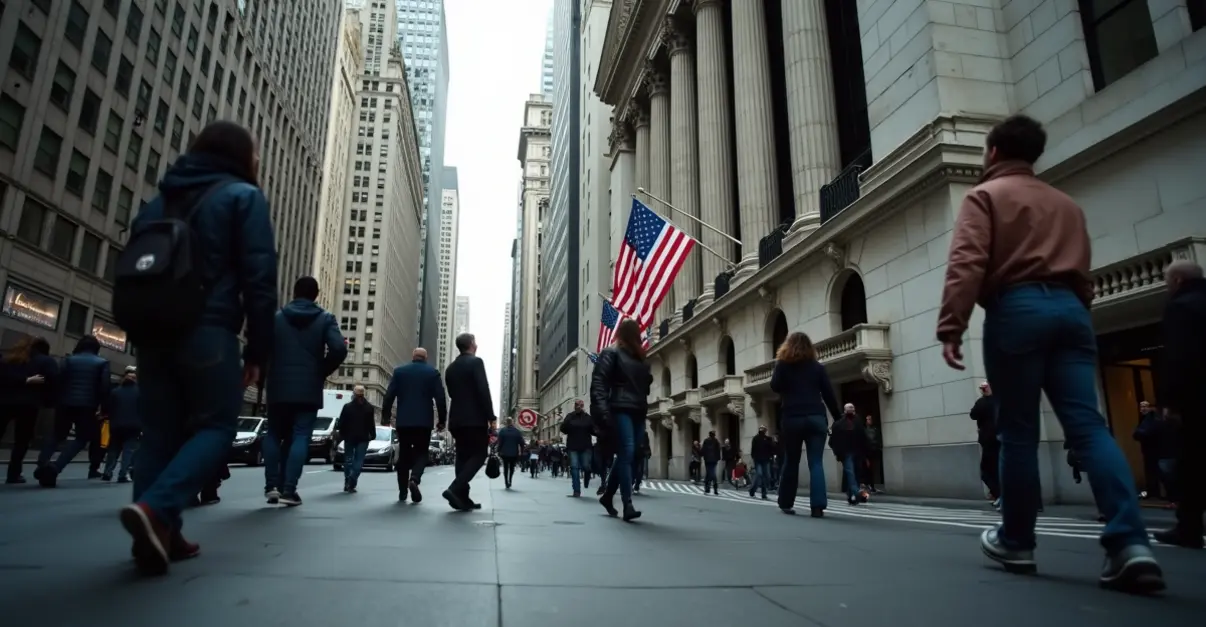
The pedestrianization aligns with broader trends in urban planning, including the NYC Department of Transportation's recent initiatives that have created 1.5 million square feet of new pedestrian space and implemented thousands of intersection safety improvements.
Preservation Meets Modernization
Historic districts present unique challenges for pedestrianization efforts. Strict preservation guidelines often limit modifications to streetscapes, requiring careful coordination between preservation boards and urban planners. The announced plan includes special provisions for maintaining historical integrity while improving walkability.
According to preservation expert Dr. Sarah Williamson, 'The most successful pedestrianization projects in historic areas respect the original urban fabric while introducing subtle improvements. Things like permeable paving that mimics historical materials, historically appropriate lighting fixtures, and street furniture that complements architectural styles.'
The plan draws inspiration from successful models worldwide, including the principles of Patrick Geddes' 1925 Tel Aviv masterplan, which emphasized pedestrian movement and human-scale design through superblocks and hierarchical street systems. As noted in urban planning history, Geddes' approach integrated traditional urban qualities with garden city ideals, creating neighborhoods that function primarily on a human scale.
Policy and Implementation Timeline
The pedestrianization plan will be implemented in phases over the next three years, beginning with pilot projects in spring 2025. The first phase will focus on converting two main commercial streets to pedestrian-priority zones during daylight hours, with full pedestrianization planned for 2026. Community engagement sessions will run concurrently with implementation to address concerns and adjust plans as needed.
The policy framework supporting this initiative includes elements from Main Street America's 2025-2026 Policy Agenda, which positions Main Streets as people-centered gathering spaces and drivers of sustainable community growth. This alignment ensures the plan supports broader economic development goals while enhancing quality of life.
Challenges and Opportunities
Potential challenges include addressing parking displacement, ensuring emergency vehicle access, managing delivery logistics for businesses, and securing adequate funding for infrastructure improvements. The plan includes a comprehensive parking management strategy that redirects parking to peripheral areas with shuttle services.
Urban planner James Thompson notes, 'The biggest opportunity here is creating a model for how historic districts can evolve. We're not just making streets walkable—we're reimagining how these spaces function for the next century. This could set a precedent for other cities facing similar preservation-versus-progress dilemmas.'
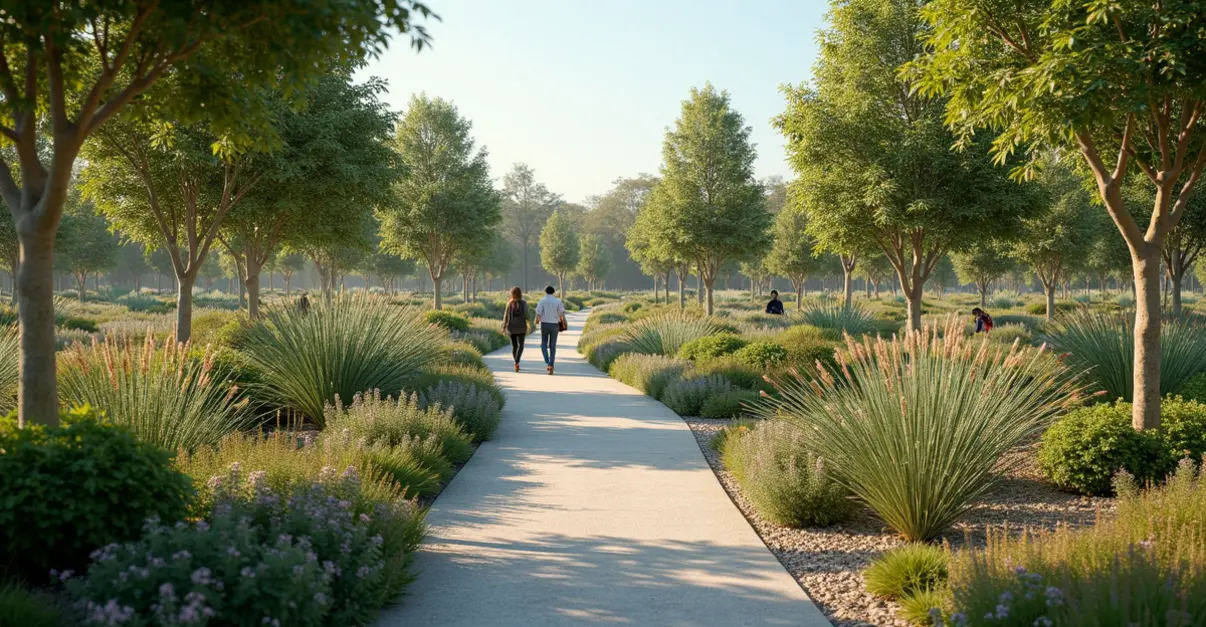
Environmental benefits are also significant, with projections showing a 15-25% reduction in vehicle emissions within the district and improved air quality. The increased green spaces and tree plantings included in the plan will further contribute to urban cooling and stormwater management.
Looking Forward
As cities continue to prioritize livability and sustainability, pedestrianization of historic districts represents a convergence of preservation, economic development, and community wellbeing. The success of this initiative will be closely watched by urban planners, preservationists, and community leaders nationwide, potentially inspiring similar transformations in other historic urban centers.
The final implementation plan will be presented to the city council next month, with construction on initial improvements scheduled to begin in early 2025. Community members can participate in upcoming workshops and provide feedback through the city's online engagement portal.



Follow Discussion