Nederlands
 English
 Deutsch
 Français
 Español
 Português
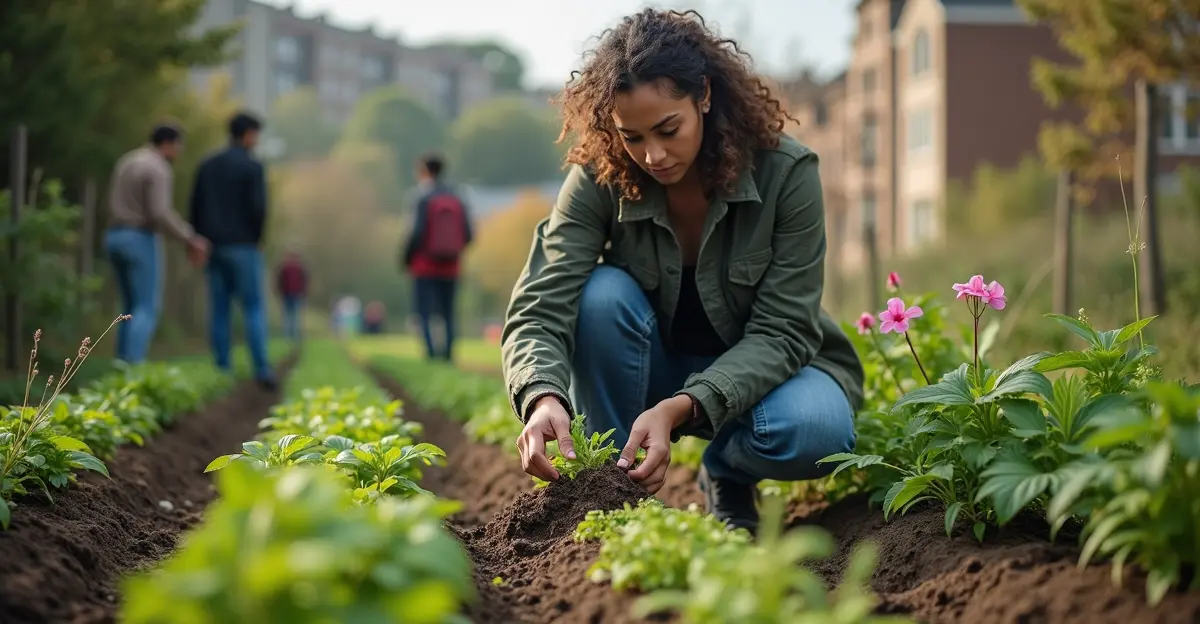





New Urban Gardening Initiative Connects Households with Training and Markets
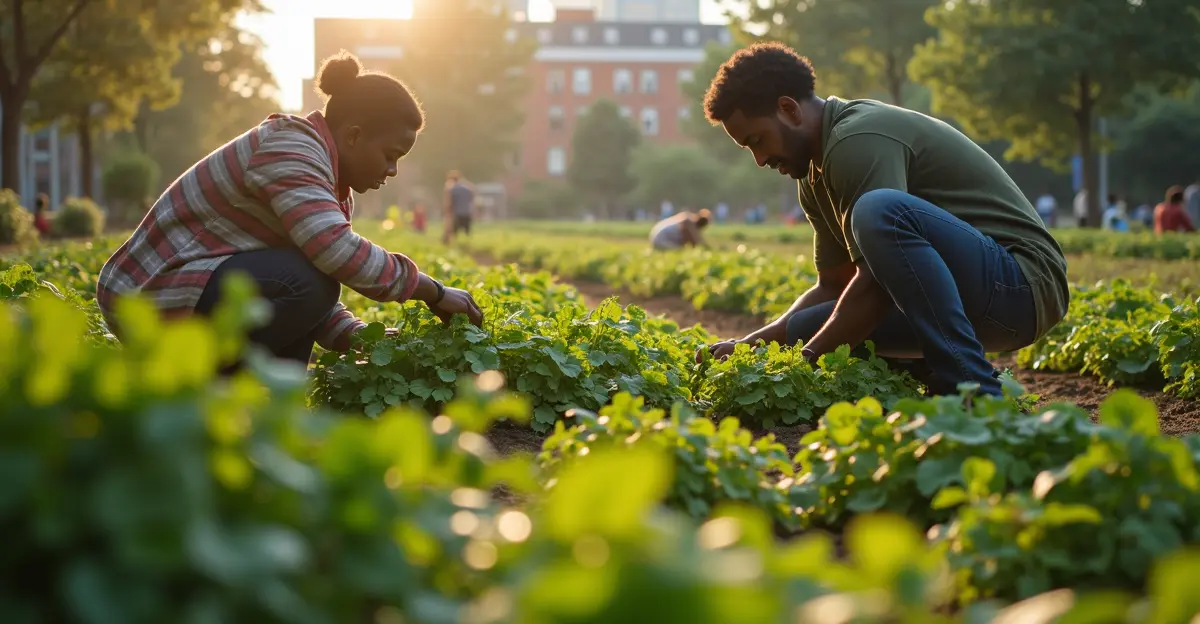
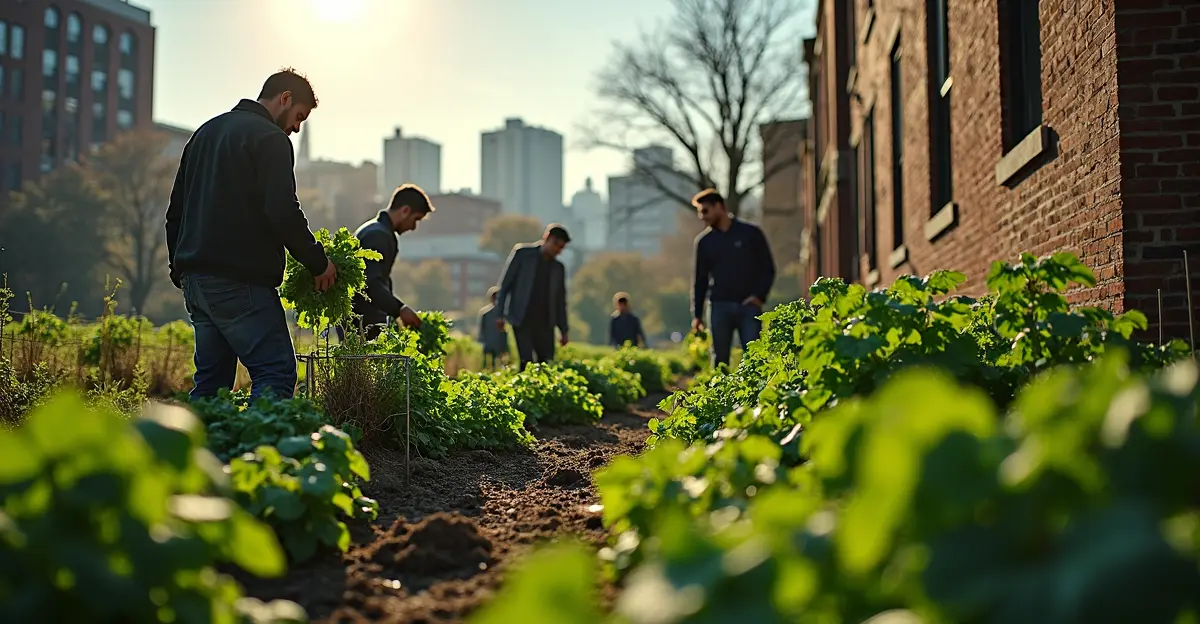
A groundbreaking urban gardening voucher program has officially launched, offering households access to gardening plots, comprehensive training, and direct market links while promising significant social outcomes. The initiative represents a major step forward in urban agriculture, combining food production with community development and economic opportunities.
Program Components and Structure
The program provides participating households with vouchers that can be redeemed for several key benefits: dedicated gardening plots in community spaces, professional training in sustainable gardening techniques, and connections to local farmers' markets and food distribution networks. 'This isn't just about growing food—it's about growing communities,' says program coordinator Maria Rodriguez. 'We're creating pathways for urban residents to access fresh produce while building valuable skills and social connections.'
According to recent data from the Urban Agriculture Resilience Program, similar initiatives across 34 states have already produced remarkable results, with over 720,000 pounds of produce grown and shared, and more than 49,000 hours of urban agriculture training provided to participants.
Funding and Support Mechanisms
The program leverages multiple funding sources, including federal grants and private partnerships. Key funding opportunities include the USDA Community Food Projects Competitive Grant Program, which offers up to $400,000 for community-led food systems with deadlines extending into 2026. Additionally, the USDA's People's Garden Initiative provides $1 million in funding for community-based gardens that promote sustainable practices.
'The voucher system creates an accessible entry point for urban residents who might not otherwise have the resources to start gardening,' explains urban agriculture specialist Dr. James Wilson. 'By removing financial barriers and providing structured support, we're seeing participation rates that exceed our initial projections.'
Social Outcomes and Community Impact
Beyond food production, the program emphasizes measurable social outcomes. Participants report increased community engagement, improved mental health, and stronger neighborhood connections. The training component includes not only gardening techniques but also business skills for those interested in selling their produce.
The market links component connects gardeners directly with local farmers' markets, restaurants, and community-supported agriculture (CSA) programs. 'We're creating a complete ecosystem,' says market coordinator Sarah Chen. 'From seed to sale, participants have support at every stage. This transforms gardening from a hobby into a potential livelihood.'
Historical Context and Modern Relevance
Urban gardening has deep historical roots, dating back to around 3,500 BC with Mesopotamian farmers setting aside plots within cities. More recently, during World Wars I and II, 'Victory Gardens' became crucial for food security. Today's programs build on this legacy while addressing modern challenges like food deserts, climate change, and urban isolation.
According to USDA resources for urban growers, urban agriculture is experiencing a major revival as cities worldwide embrace food production within their boundaries. The current program represents a sophisticated evolution of this movement, incorporating digital tools for plot management, online training modules, and virtual market platforms.
Implementation and Future Plans
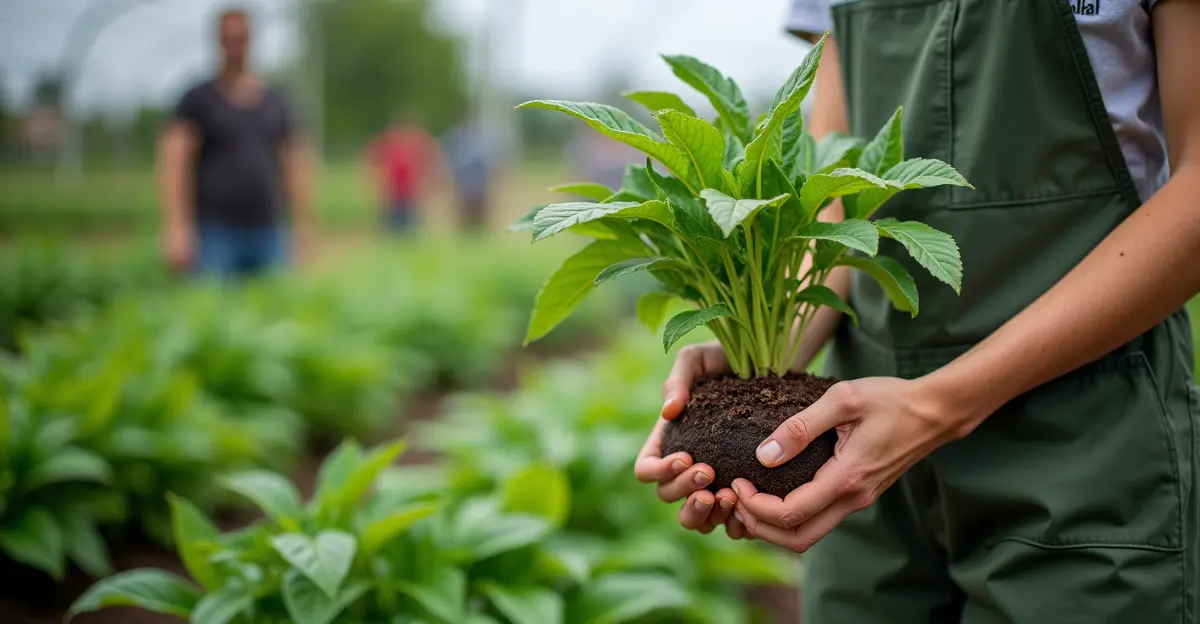
The program is rolling out in phases, starting with pilot neighborhoods before expanding citywide. Initial participants receive starter kits including seeds, tools, and soil amendments along with their plot vouchers. Training sessions cover topics from soil health and pest management to marketing and food safety regulations.
'What excites me most is the multiplier effect,' says program director Noah Kim. 'Each household that participates becomes a node in a larger network. They share knowledge with neighbors, trade produce, and collectively strengthen local food systems. We're already seeing second-generation effects as children of participants start their own mini-gardens.'
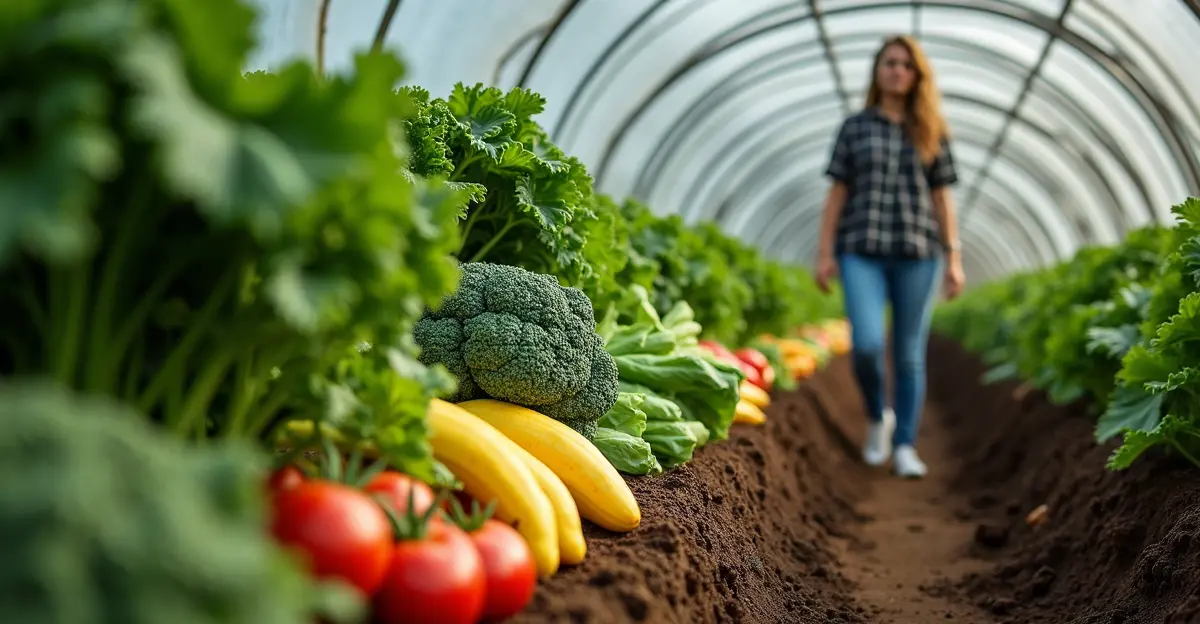
Looking ahead, program organizers plan to incorporate advanced technologies like hydroponics and vertical farming for space-constrained urban environments. They're also developing partnerships with local schools to integrate gardening into STEM education curricula.
Measuring Success and Sustainability
Success metrics extend beyond pounds of produce harvested. Program evaluators track social cohesion indicators, economic benefits for participants, environmental impacts like reduced food miles, and educational outcomes. Early data shows participants reporting 40% increases in vegetable consumption and significant reductions in grocery expenses.
The program's sustainability model includes revenue-sharing from market sales, ongoing grant funding, and corporate sponsorship opportunities. 'This isn't a short-term project,' emphasizes Kim. 'We're building infrastructure—both physical and social—that will support urban agriculture for years to come. The voucher program is just the beginning of a larger transformation in how cities approach food production.'