Deutsch
 English
 Español
 Français
 Nederlands
 Português






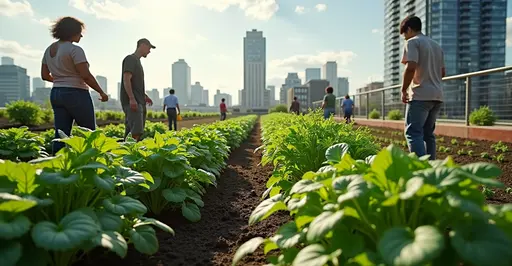
Major Federal Investment Targets Urban Agriculture Growth
The U.S. Department of Agriculture has announced a significant $14.4 million investment in urban agriculture for 2025, with a strong focus on technical assistance and market linkages for small producers. This funding represents a strategic push to strengthen local food systems and support urban farmers who often face unique challenges in city environments.
Breaking Down the Funding Components
The investment is divided into two main components: $2.5 million in competitive Urban Agriculture and Innovative Production (UAIP) grants and $11.9 million for technical assistance through the Natural Resources Conservation Service. The UAIP grants, which have a March 10, 2025 deadline, support community gardens, nonprofit farms, and innovative urban agriculture projects focusing on planning and implementation activities like hydroponics and vertical farming.
According to USDA officials, 'This funding builds on over $53.7 million invested since 2020 to strengthen local food systems, increase healthy food access, and promote sustainable urban farming practices nationwide.' The grants range from $100,000 to $250,000, with bonus points awarded to projects owned by socially disadvantaged farmers.
Technical Assistance: The Game Changer
The $11.9 million technical assistance component is particularly noteworthy. This funding will support Urban Agriculture Conservation Extension Educators at Land-grant Universities who will work in 27 designated urban priority cities nationwide. These educators will help urban producers with conservation practices, business planning, and navigating complex administrative processes.
Dr. Maria Rodriguez, an urban agriculture specialist at Cornell University, explains: 'Technical assistance is often the missing link for small urban producers. They might have the passion and the land, but they need help with everything from soil testing to marketing strategies. This funding addresses that gap directly.'
Market Linkages and Distribution Networks
A key focus of the new funding is improving market access for urban farmers. The Farmers Market and Local Food Promotion Program, which has a May 2026 deadline, provides $25,000-$750,000 for market development and distribution infrastructure. This program helps small producers connect with local restaurants, schools, and direct-to-consumer markets.
Urban farmer James Washington from Detroit shares his experience: 'Getting our produce to market was our biggest challenge. With technical assistance on distribution logistics and grant support for transportation infrastructure, we've doubled our sales in the last year.'
Eligibility and Application Process
Eligible applicants include nonprofits, tribal organizations, local governments, educational institutions, and for-profit urban farm businesses. The application process requires careful preparation, including SAM.gov registration for federal grants and thorough review of program guidelines.
The USDA emphasizes that successful applications typically demonstrate strong community impact, innovative approaches to urban food production, and clear plans for sustainability beyond the grant period. 'We're looking for projects that not only grow food but grow communities,' says USDA Urban Agriculture Program Director, Sarah Chen.
Broader Impact on Local Food Systems
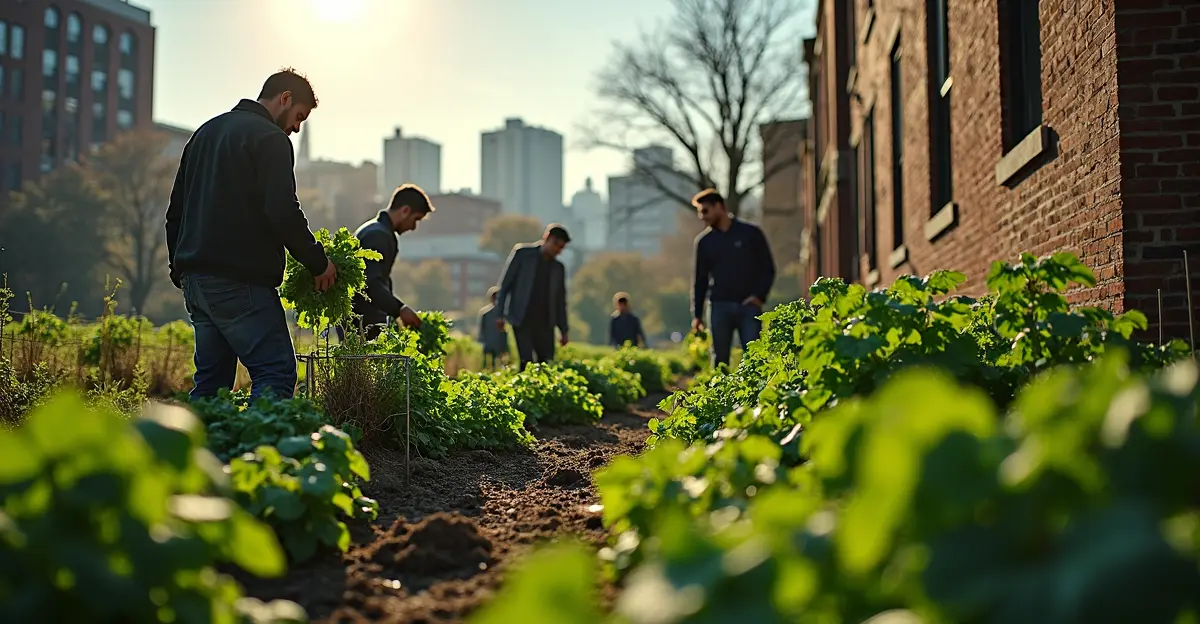
Urban agriculture has evolved significantly from its historical roots. According to Wikipedia, urban agriculture refers to various practices of cultivating, processing, and distributing food in urban areas, distinguished from peri-urban agriculture which takes place in rural areas at the edge of suburbs. Modern urban farming addresses multiple challenges including food security, nutrition, income generation, and climate change mitigation through reduced food miles.
The current funding initiative aligns with broader trends in sustainable food systems. As noted in the Good Food Funding Guide, federal funding processes have evolved in 2025, with increased emphasis on measurable outcomes and community partnerships.
Looking Ahead: 2026 Opportunities
Beyond the immediate 2025 funding, several programs have 2026 deadlines that urban farmers should note. The USDA Community Food Projects Competitive Grant Program offers up to $400,000 over four years for food security initiatives, with a projected June 2026 deadline. Additionally, The Herb Society of America Research Grant provides up to $10,000 for herb-related research with a firm January 31, 2026 deadline.
These ongoing opportunities suggest sustained federal commitment to urban agriculture. As urban populations continue to grow and climate challenges intensify, investments in local food production systems become increasingly vital for community resilience and food security.