Nederlands
 English
 Deutsch
 Français
 Español
 Português






New Urban Gardening Initiative Combines Vouchers, Training, and Market Access
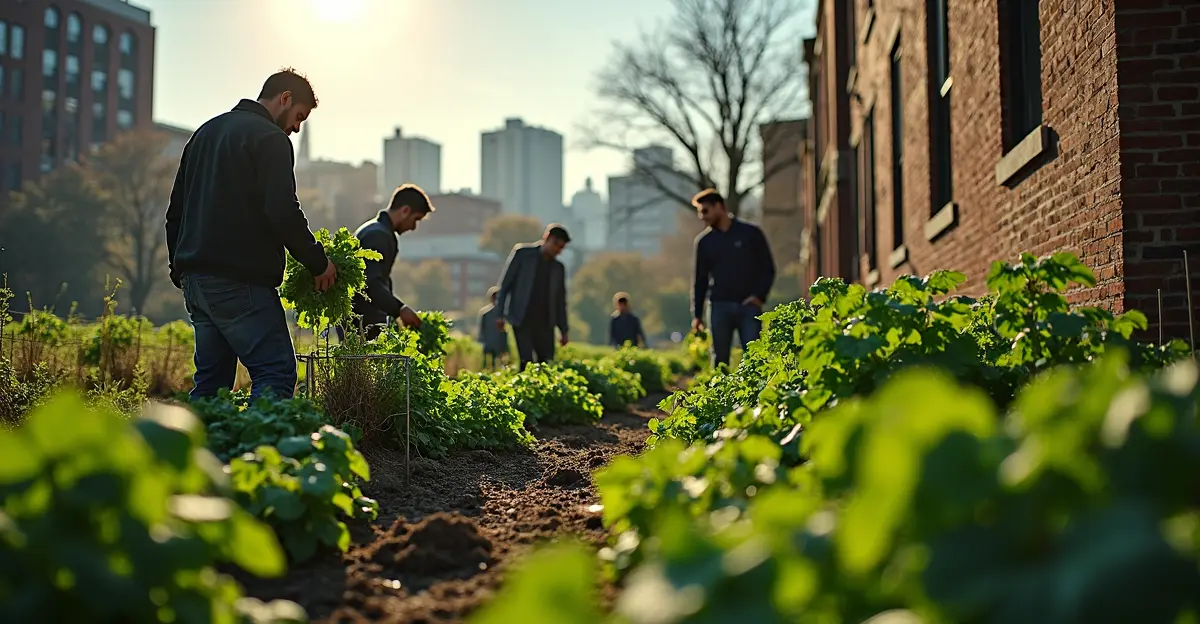
A groundbreaking urban agriculture program is rolling out across multiple cities, offering residents vouchers for community garden plots alongside comprehensive training and direct market linkages. The initiative, which represents one of the most integrated approaches to urban food production to date, aims to address food insecurity while fostering community resilience and local economic development.
Three-Pronged Approach to Urban Agriculture
The program's innovative structure combines three essential components: plot allocation through vouchers, hands-on training support, and connections to local markets. 'This isn't just about giving people space to grow food,' explains urban agriculture specialist Dr. Maya Chen. 'We're creating a complete ecosystem where residents can learn sustainable growing techniques, access land through affordable vouchers, and then connect their harvests to local food economies.'
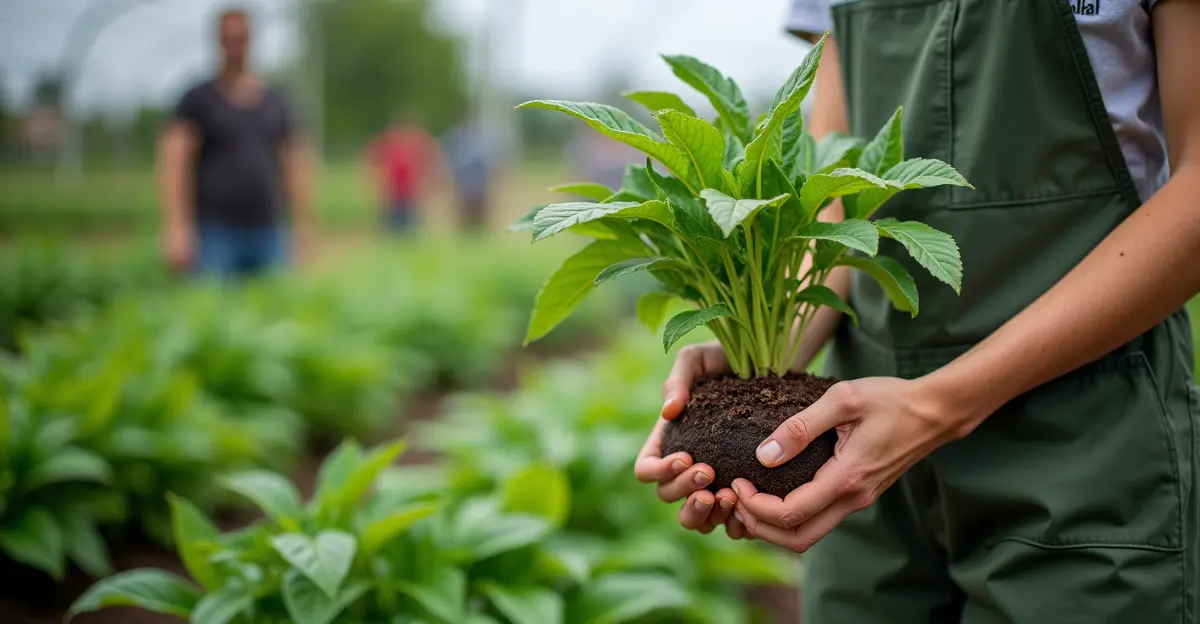
Voucher recipients will receive subsidized access to community garden plots in their neighborhoods, with priority given to low-income households and food-insecure communities. The training component includes workshops on soil health, organic pest management, season extension techniques, and water conservation methods specifically designed for urban environments.
Building Market Bridges for Urban Growers
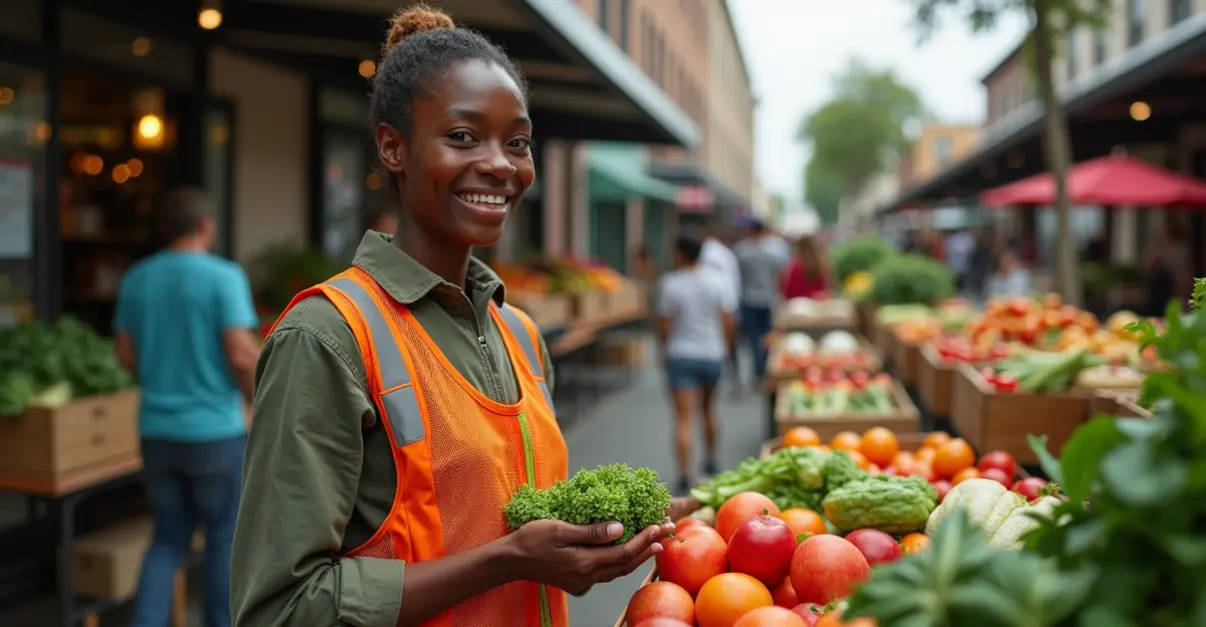
Perhaps the most innovative aspect of the program is its market linkage component. Participants who complete the training program gain access to established sales channels including local farmers' markets, Community Supported Agriculture (CSA) programs, and partnerships with restaurants and grocery stores. 'We're removing the biggest barrier for small-scale urban growers,' says program coordinator Jamal Williams. 'Many people can grow food, but they struggle to sell it. By creating these market connections, we're turning gardening from a hobby into a potential source of income.'
The program draws inspiration from successful models like the United States Botanic Garden's Urban Agriculture Resilience Program, which has distributed over 268,000 seedlings and provided 49,000+ hours of training since 2020. Additionally, funding opportunities like the USDA's People's Garden Initiative provide approximately $1 million for community-based gardens promoting sustainable practices.
Addressing Urban Food Deserts
Urban agriculture has deep historical roots, dating back to early Mesopotamian cultures and the famous Hanging Gardens of Babylon. In modern times, programs like Detroit's 'Pingree's Potato Patches' in the 1890s demonstrated how urban gardening could address economic depression and food shortages. Today's initiative builds on this legacy while incorporating contemporary understanding of food systems.
'What makes this program different is its holistic approach,' notes food policy expert Dr. Elena Rodriguez. 'We're not just creating gardens; we're building food sovereignty. Residents learn to grow their own food, understand the nutritional value, and participate in local food economies. This addresses both immediate food needs and long-term community resilience.'
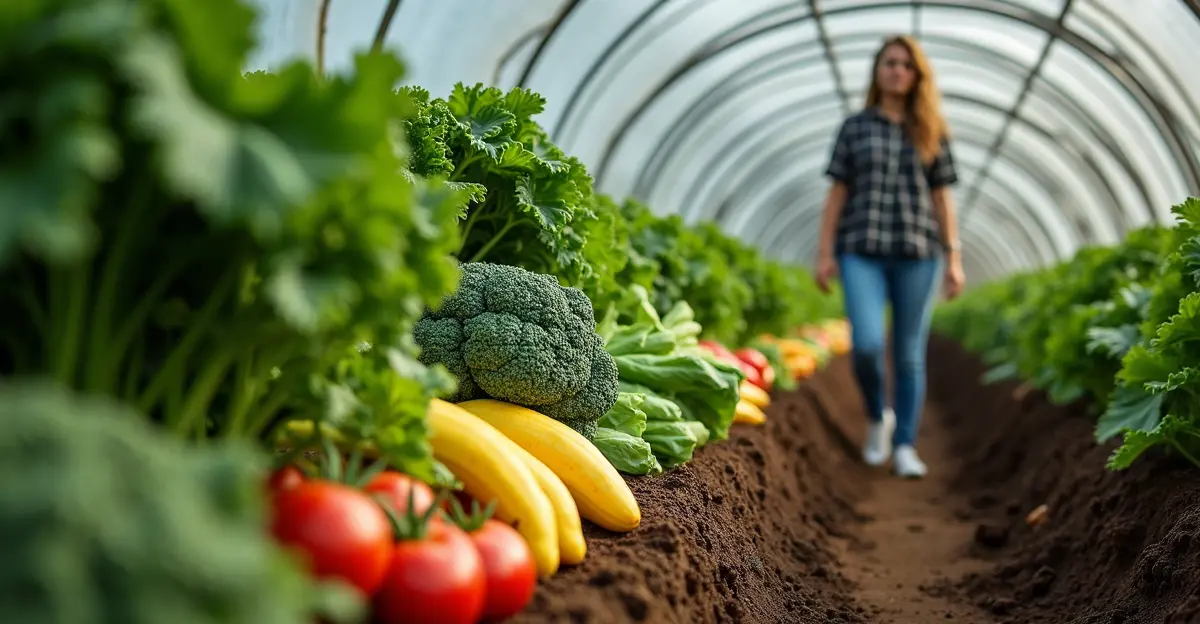
The training curriculum covers practical skills like container gardening for apartment dwellers, vertical growing techniques for limited spaces, and methods for addressing urban soil contamination issues. Special attention is given to culturally appropriate crops and traditional growing methods that reflect community diversity.
Economic and Environmental Benefits
Beyond food production, the program offers significant economic and environmental advantages. By shortening food supply chains, urban gardens reduce transportation emissions and food miles. The natural partnership between community gardens and farmers' markets creates economic opportunities while building community trust.
Environmental benefits include increased green space in urban areas, improved stormwater management through permeable surfaces, and enhanced biodiversity through pollinator-friendly plantings. The program also addresses urban heat island effects by replacing concrete with vegetation.
Implementation and Future Expansion
The initial rollout will focus on neighborhoods identified as food deserts, with plans to expand based on community interest and demonstrated success. Program administrators are working with local governments, non-profit organizations, and educational institutions to ensure sustainable implementation.
'We've seen tremendous interest from communities across the country,' reports national program director Sarah Johnson. 'People recognize that this approach addresses multiple challenges simultaneously: food access, environmental sustainability, community building, and economic opportunity. Our goal is to create a model that can be adapted to different urban contexts nationwide.'
As urban populations continue to grow and climate change impacts food systems, integrated approaches like this voucher program represent a promising path toward more resilient, equitable, and sustainable cities. The combination of accessible land, practical education, and market connections creates a virtuous cycle that benefits individuals, communities, and local economies.