Nederlands
 English
 Deutsch
 Français
 Español
 Português





Major Funding Initiative Aims to Strengthen Local Food Systems
In a significant move to bolster urban food security, a new wave of grant funding has been announced targeting community markets, cold chain infrastructure, and training programs across American cities. The initiative, which builds on existing USDA programs, represents a comprehensive approach to creating more resilient local food networks that can withstand supply chain disruptions and climate challenges.
Substantial Investment in Urban Agriculture
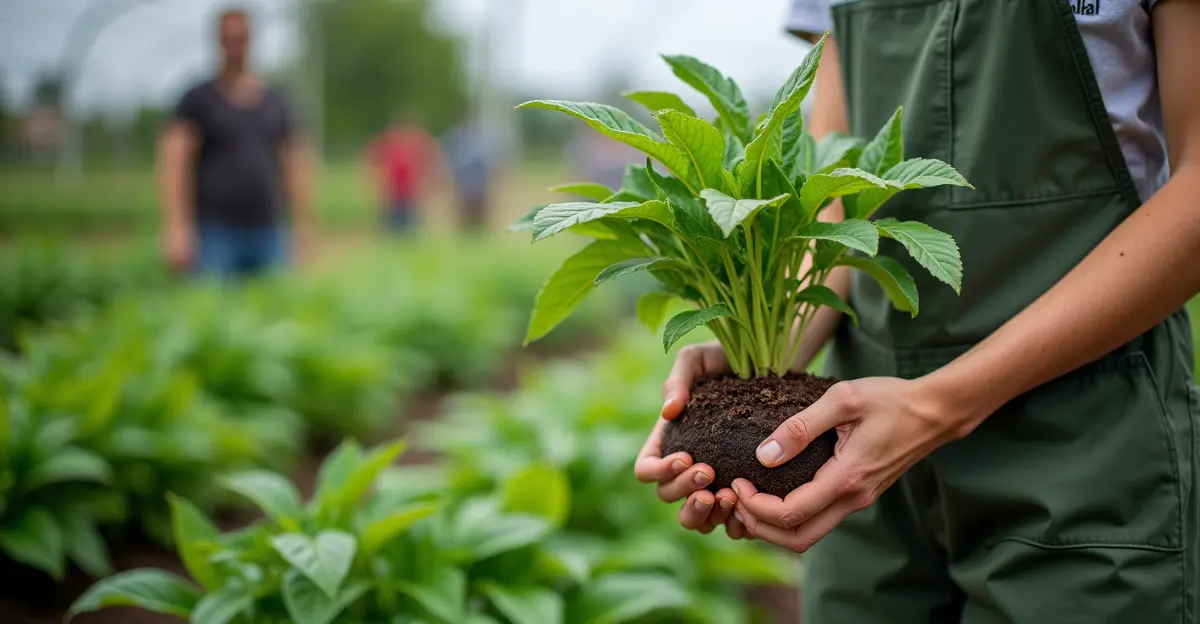
The U.S. Department of Agriculture announced in January 2025 a $14.4 million investment in urban agriculture, with $2.5 million allocated specifically for Urban Agriculture and Innovative Production (UAIP) grants. These competitive grants support community gardens, nonprofit farms, and urban agricultural projects focused on local food production, job training, and education. 'This funding represents a critical step toward building food systems that can weather the storms of climate change and economic uncertainty,' said Dr. Maria Rodriguez, a food systems researcher at Cornell University.
Applications for the UAIP grants are open through March 10, 2025, with award sizes ranging from $100,000 to $250,000 for projects lasting 24-36 months. The program prioritizes projects that address food deserts, involve multiple stakeholders, and demonstrate significant community impact.
Cold Chain Infrastructure: The Missing Link
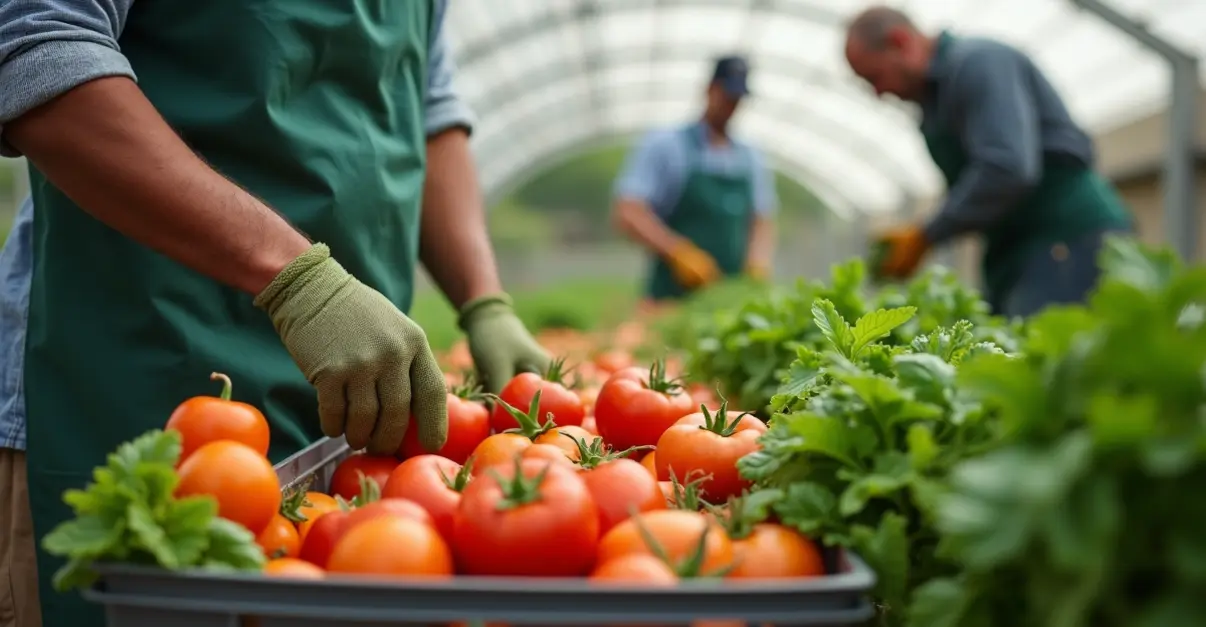
A particularly innovative aspect of the new funding focuses on cold chain infrastructure - the temperature-controlled supply chain that preserves food from farm to table. According to recent research, approximately 14% of global food is lost post-harvest due to cold chain failures. The new grants specifically target decentralized cold chain solutions that can be integrated into urban environments.
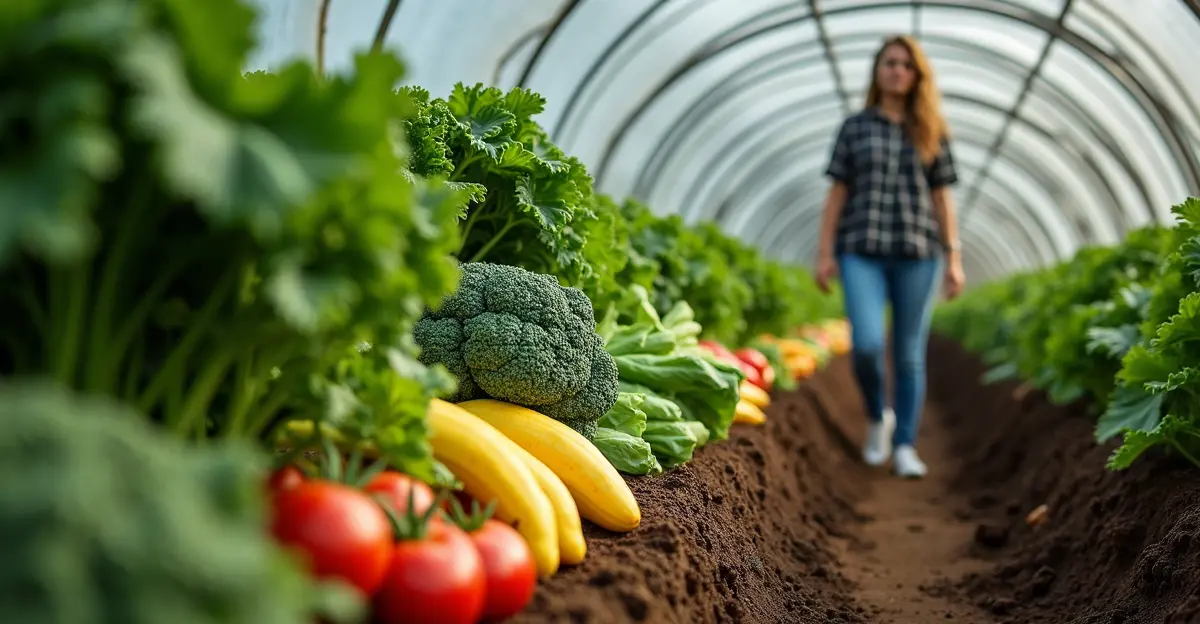
'We're seeing a transformative shift from fragile linear supply chains to resilient networks of localized production and cooling,' explained sustainability expert James Chen. 'By creating capillary networks of modular cooling solutions, we can support the growing urban agriculture movement including rooftop greenhouses, vertical farms, and community gardens.'
Community Markets and Training Programs
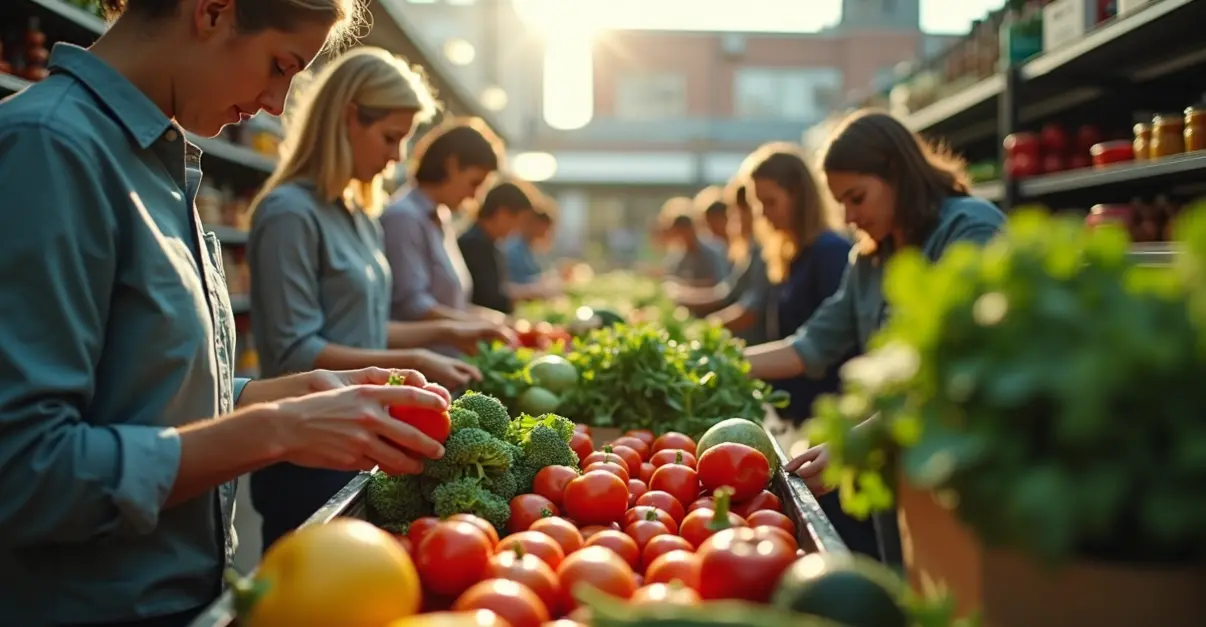
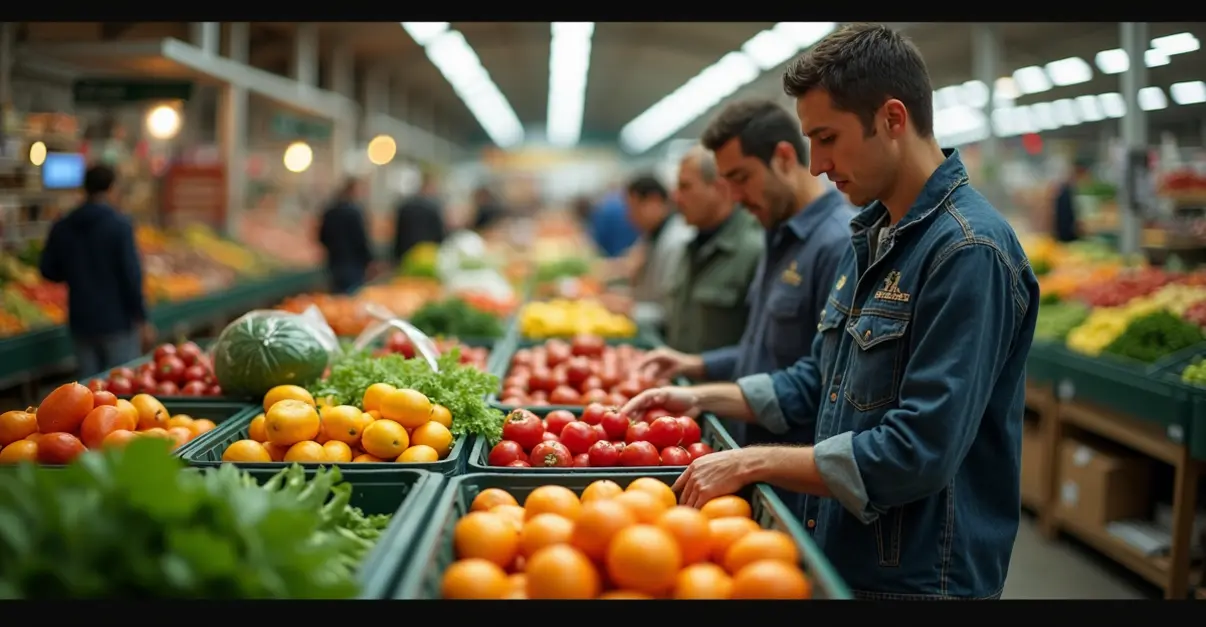
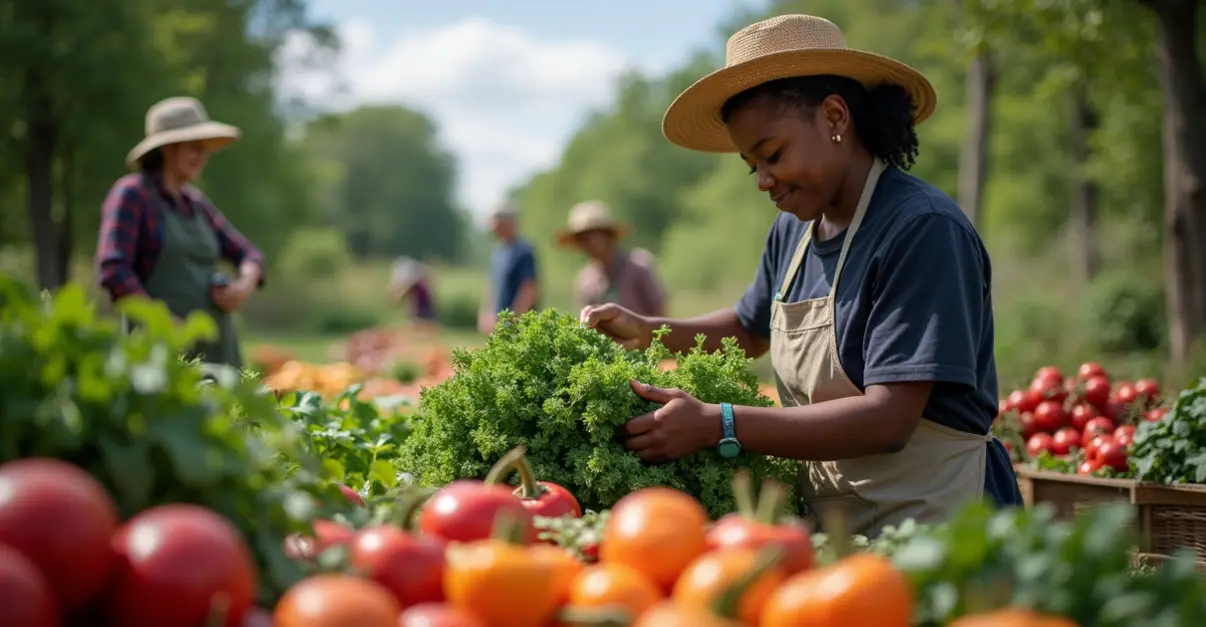
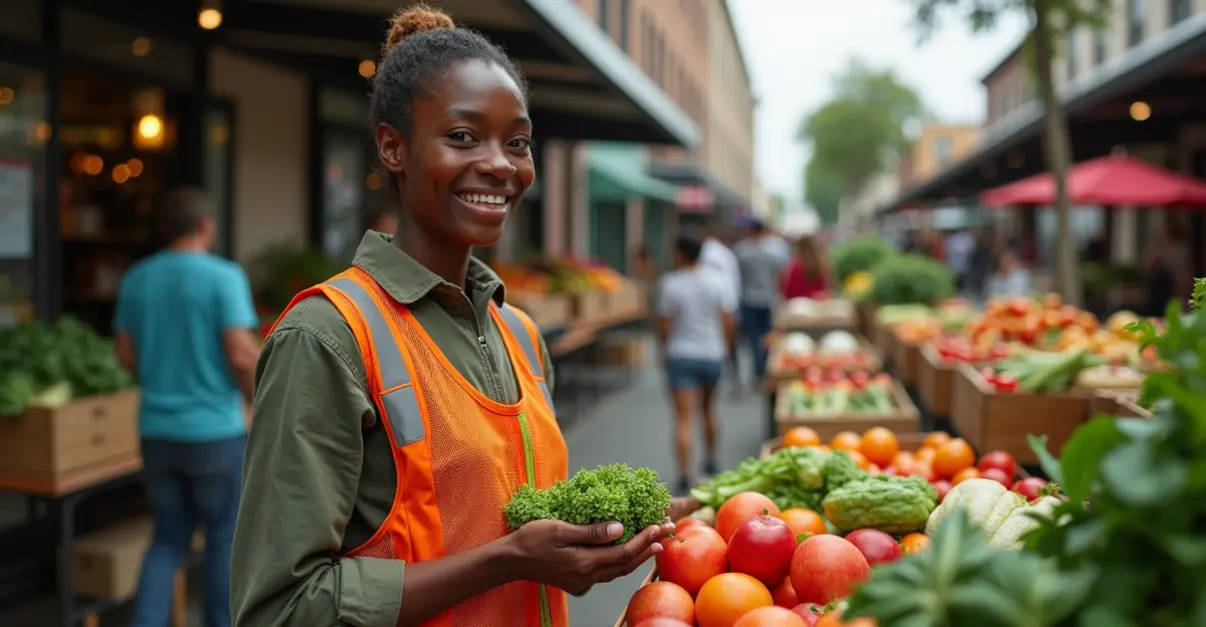
The funding also supports community markets that serve as vital distribution hubs for locally grown produce. These markets not only provide fresh food access but also create economic opportunities for urban farmers. Training programs funded through the grants will equip community members with skills in sustainable agriculture, food preservation, and business management.
The American Public Gardens Association's Urban Agriculture Resilience Program, which has awarded $2.5 million to 131 urban agriculture projects across 34 states since 2020, serves as a model. Their 2026 Capstone Cohort Program provides $55,000 per participant and mentoring to help established projects achieve long-term sustainability.
Building Climate-Resilient Food Systems
The timing of these grants coincides with growing concerns about climate change impacts on food security. Urban agriculture, as defined by Wikipedia, refers to various practices of cultivating, processing, and distributing food in urban areas. These practices are becoming increasingly important as cities seek to reduce their dependence on long-distance food transportation.
'What we're building here isn't just gardens - it's infrastructure for community resilience,' said Charlotte Garcia, an urban farmer in Detroit. 'When supply chains break down, as we saw during the pandemic, these local systems become lifelines for neighborhoods.'
The grants represent part of a broader movement toward Community-Led Urban Food Resilience Initiatives (CLUFRI), which shift from centralized industrial systems to localized, community-driven solutions. As urbanization accelerates with projections of 70% global urban population by 2050, such initiatives address vulnerabilities in extended supply chains.
Application Process and Future Outlook
Eligible applicants for the grants include nonprofits, tribal organizations, local governments, schools, and for-profit urban farm businesses. The 2025 updates include increased maximum awards to $250,000, bonus points for proposals involving socially disadvantaged groups, and added scoring for greenhouse-gas reduction.
Looking ahead, experts predict that successful implementation of these grants could transform urban food landscapes across the country. 'This isn't just about growing food - it's about growing communities, growing economies, and growing resilience in the face of an uncertain future,' concluded Dr. Rodriguez.