
 Deutsch
 English
 Español
 Français
 Nederlands
 Português






New Federal Program Targets Cold Chain Infrastructure and Training
In a significant move to strengthen urban food systems, the newly launched Urban Food Resilience Grant Program is providing critical funding for community markets, cold chain infrastructure, and training initiatives across the United States. With over $270 million allocated through the USDA's Resilient Food Systems Infrastructure program, this initiative represents one of the most substantial investments in local food security in recent years.
Addressing Critical Gaps in Urban Food Systems
The program specifically targets the 'middle mile' of food supply chains - the often-overlooked processing, aggregation, and distribution stages that connect farmers directly to urban consumers. 'This isn't just about growing more food in cities,' explains Dr. Maria Rodriguez, a food systems researcher at Cornell University. 'It's about creating resilient networks that can withstand disruptions from climate events, pandemics, or supply chain breakdowns. The cold chain component is particularly crucial for reducing food waste and ensuring fresh produce reaches underserved communities.'
According to data from the USDA's Agricultural Marketing Service, the program has already opened applications in 35 states, with funding available through two tracks: Infrastructure Grants ranging from $100,000 to $3 million (requiring 50% matching funds) and Equipment-Only Grants from $10,000 to $100,000 with no match required.
Community Markets as Resilience Hubs
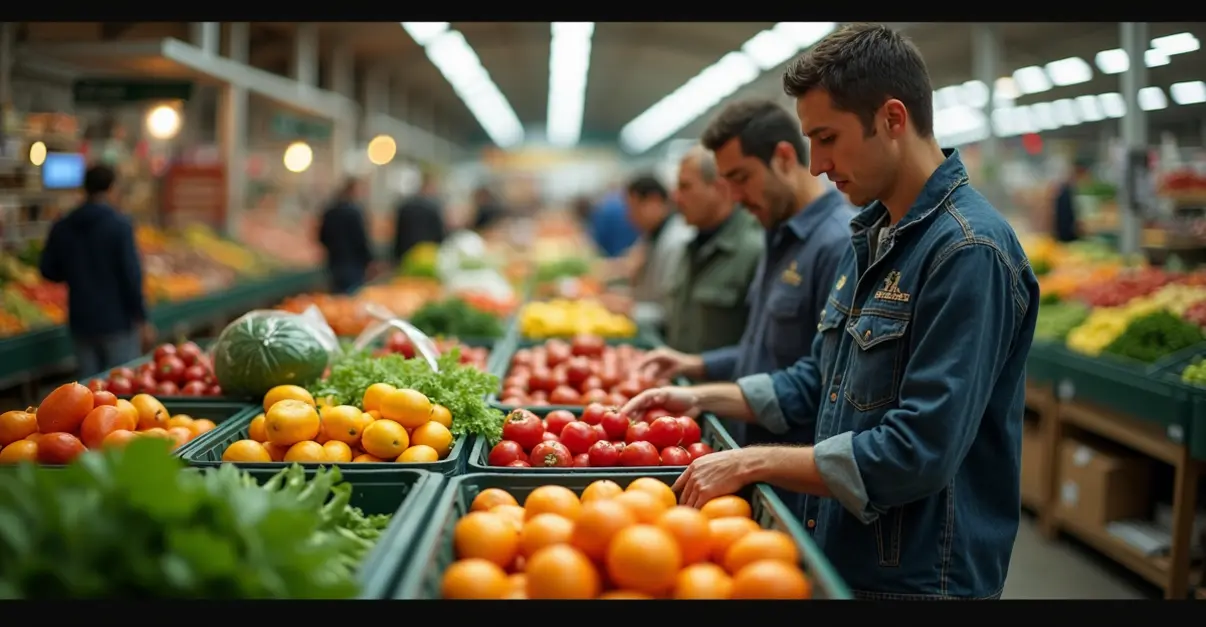
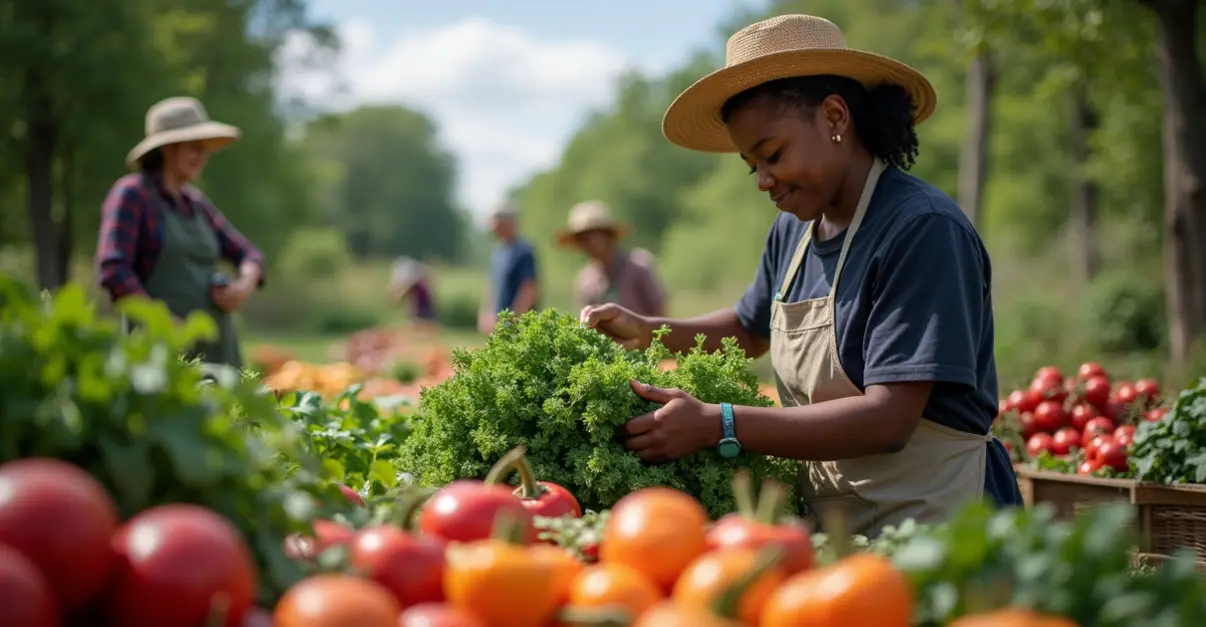
Community markets serve as critical nodes in urban food networks, but many lack proper refrigeration, storage facilities, and trained personnel to handle perishable goods safely. The new grants address these gaps directly. 'We've been operating our neighborhood market with residential-grade refrigerators for years,' says Jamal Washington, director of the Brooklyn Food Collective. 'This funding will finally allow us to install commercial cold storage, extend the shelf life of local produce by days, and offer training to vendors on food safety and handling. It's transformative for communities that have historically faced food apartheid.'
The program prioritizes projects benefiting underserved communities, small and medium operations, veterans, and new farmers. Recent data shows that community-led food initiatives have grown by 50% in just four years, driven by climate events and pandemic-related supply chain disruptions.
Training and Capacity Building
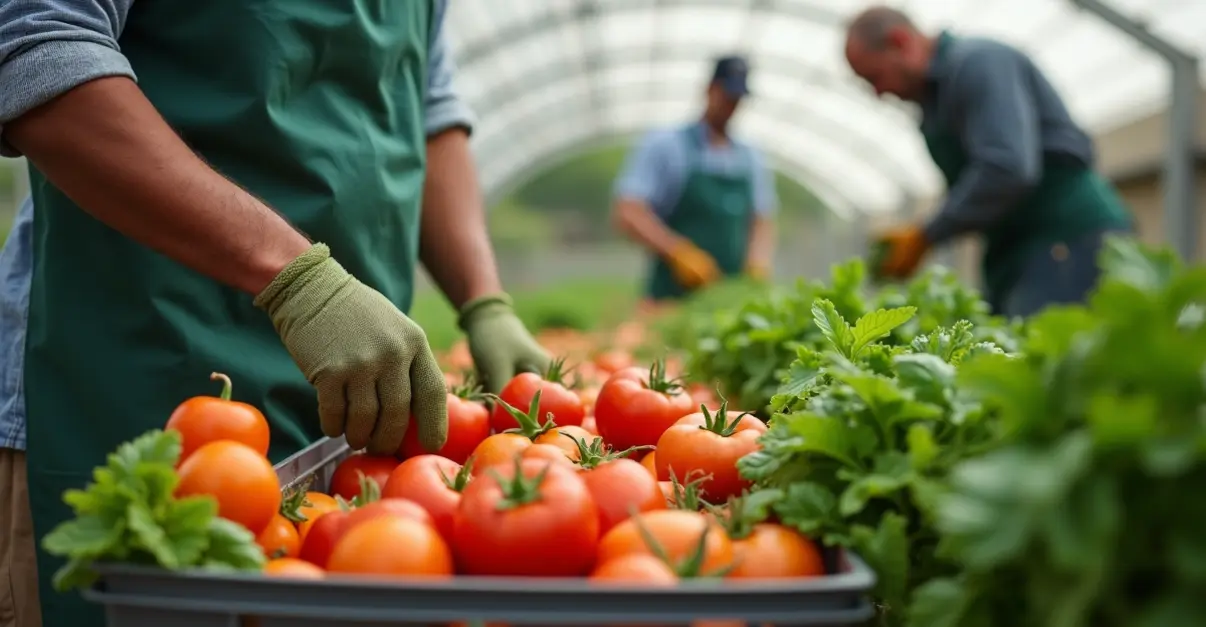
Beyond physical infrastructure, the grant program includes substantial funding for training initiatives. These range from food safety certification programs to business development workshops for market vendors and technical training on cold chain management. 'You can have the best refrigeration equipment, but if people don't know how to use it properly or maintain it, the investment is wasted,' notes Sarah Chen, program coordinator for Urban Food Resilience Initiatives. 'Our training component ensures that communities build both the hardware and the human capacity needed for long-term resilience.'
The training programs are being developed in partnership with agricultural extension services, community colleges, and food justice organizations. They cover topics including temperature monitoring, inventory management, energy-efficient operation of refrigeration systems, and emergency preparedness for power outages.
Broader Impact on Food Security
This initiative comes at a critical time. According to the Congressional Research Service, strengthening local food supply chains is essential for national food security. The industrial food system, which supplies most of the world's food energy, contributes up to 37% of total greenhouse gas emissions. By supporting shorter, more localized supply chains, the program addresses both climate concerns and community resilience.
'What we're seeing is a fundamental shift in how cities approach food systems,' says Emmanuel Rabbin, author of a ten-point plan for urban food resilience. 'Cities are moving from being mere consumption endpoints to becoming productive ecosystems. This grant program recognizes that urban spaces can be agricultural assets when properly supported.'
The program also aligns with international efforts, including Sustainable Development Goal 2: Zero Hunger, which aims to eliminate hunger by 2030. By creating more distributed, resilient food networks, urban communities become less vulnerable to global supply chain shocks.
Application and Implementation
Eligible applicants include schools, agricultural producers, non-profits, tribal entities, and public food program service providers involved in post-harvest activities. The application process emphasizes projects that demonstrate community benefit, sustainability, and potential for long-term impact.
Funds can be used for infrastructure improvements, modern equipment purchases, cold storage installation, distribution expansion, and climate-mitigating equipment. However, they exclude meat, poultry, animal feed, and tobacco products to focus on plant-based food systems.
As cities continue to face climate challenges and population growth, programs like the Urban Food Resilience Grant Program represent a proactive approach to building food security from the ground up. By investing in both physical infrastructure and human capital, they create systems that are not only more resilient but also more equitable and sustainable for urban communities nationwide.

Follow Discussion