Nederlands
 English
 Deutsch
 Français
 Español
 Português
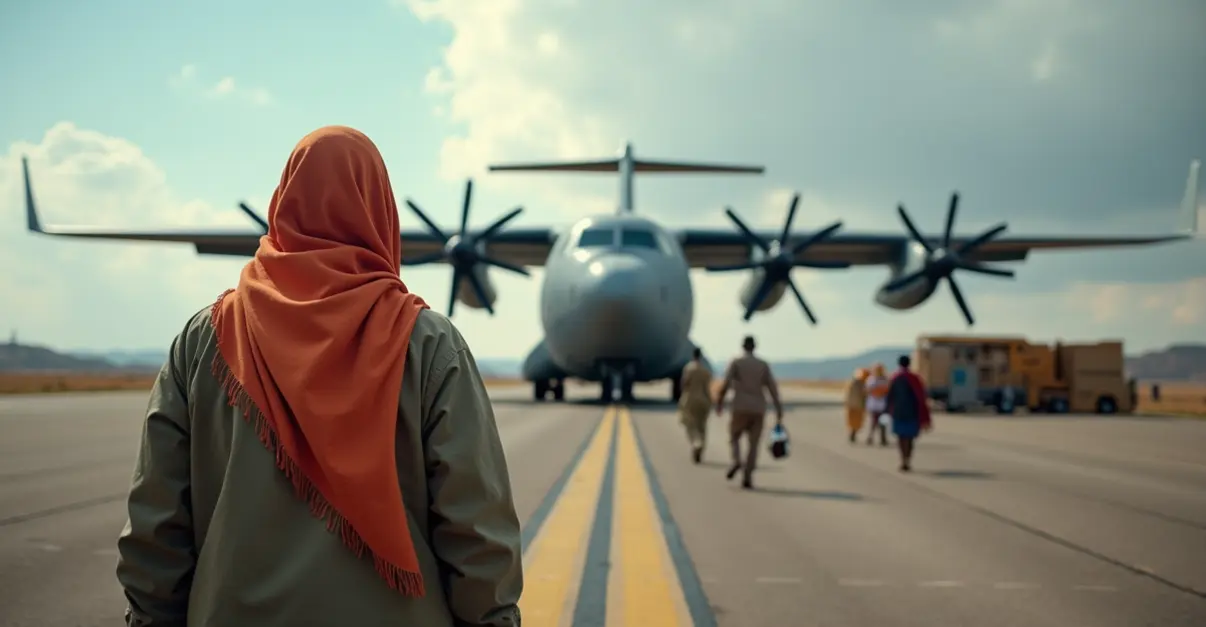





Humanitarian Air Bridge Operations Continue Amid Growing Challenges
As global humanitarian needs reach unprecedented levels in 2025, humanitarian air bridge operations continue to serve as critical lifelines for millions in crisis zones worldwide. These specialized logistics corridors, which facilitate the safe transport of aid and personnel to hard-to-reach areas, are facing what experts describe as a 'perfect storm' of funding cuts, security threats, and coordination challenges that threaten their effectiveness.
The Current State of Air Bridge Operations
The EU Humanitarian Air Bridge, launched in May 2020 to address COVID-19 transport constraints, has evolved into a vital mechanism for humanitarian response. According to the European Commission, the initiative has facilitated over 80 flights delivering more than 1,570 tonnes of humanitarian and medical aid to critical areas across Africa, Asia, and the Americas. Recent operations have focused on Gaza (60 flights, 2,700+ tonnes), Lebanon, Syria (420 tonnes post-earthquake), Democratic Republic of Congo (474 tonnes), and Sudan/Chad (912 tonnes).
'The air bridge represents our commitment to reaching those who would otherwise be cut off from assistance,' says Maria Rodriguez, a senior humanitarian coordinator with the European Commission. 'But we're operating in an increasingly complex environment where security negotiations can stall for weeks, and funding gaps force us to make impossible choices about who receives aid.'
Funding Crisis Reaches Critical Levels
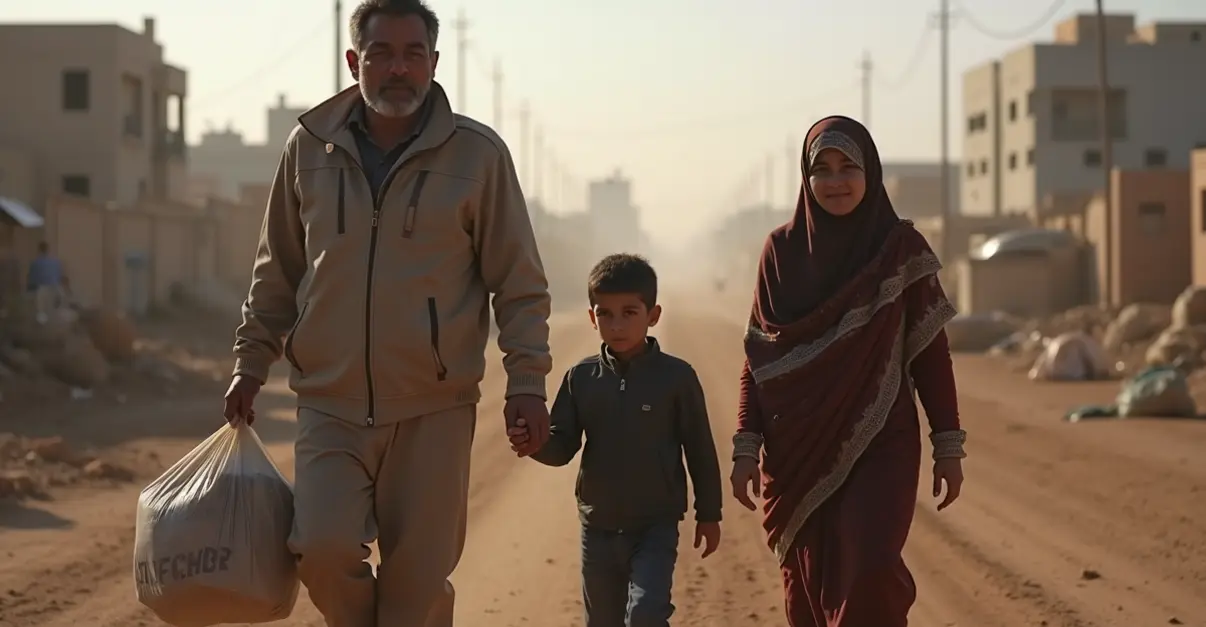
The 2025 Global Humanitarian Assistance Report reveals a sector in financial crisis, with international humanitarian funding experiencing the largest recorded drop in 2024. According to ReliefWeb, further reductions announced for 2025 could shrink public funding for humanitarian action by 34-45% compared to 2023 levels. This dramatic reduction has forced organizations to prioritize only life-threatening needs, leaving millions without essential aid.
'We're seeing funding drop below 2016 levels due to major donor cuts from countries including the US, France, Germany, Switzerland, and the UK,' explains humanitarian analyst James Chen. 'Out of 178.7 million targeted people globally, only 114.4 million received support in 2025, with a $29.1 billion funding gap. Food security and nutrition programs have been especially hard hit, with funding plunging 51% between 2022-2025.'
Security and Coordination Challenges
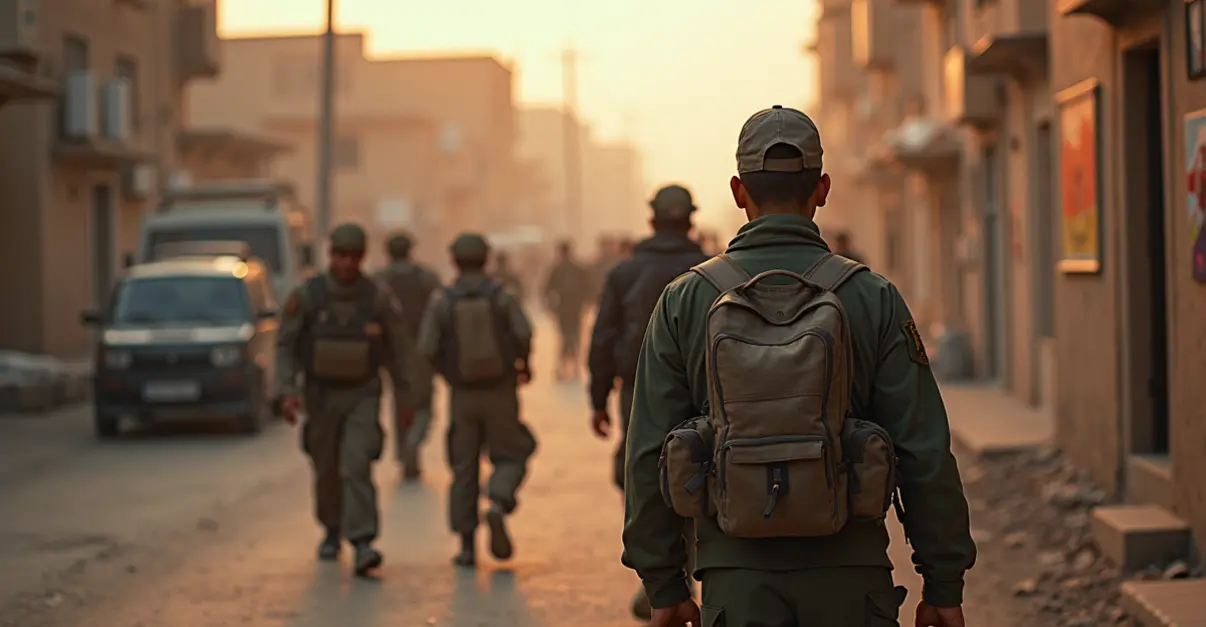
Humanitarian corridors are facing unprecedented security and targeting challenges in 2025. As noted in a recent analysis, security negotiations have stalled in multiple regions, exemplified by the impasse between Israel and Syria over humanitarian access routes. Aid distribution in Gaza remains hampered by security concerns, while in other regions, humanitarian corridors have become vulnerable to manipulation by warring parties.
'Humanitarian corridors have no legal basis or agreed definition,' notes Dr. Sarah Johnson, a researcher with Médecins Sans Frontières. 'They're temporary, geographically limited mechanisms that can undermine broader obligations under international humanitarian law. Their effectiveness depends entirely on how combatants balance concern for populations, international image, and military interests.'
Beneficiary Targeting and Operational Innovations
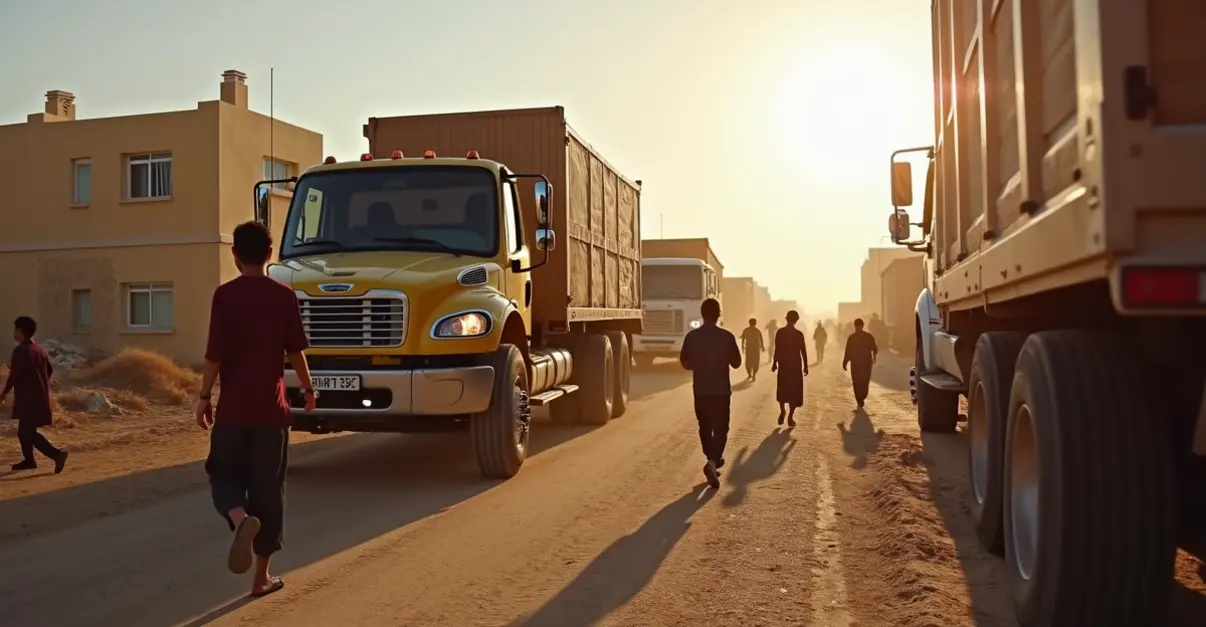
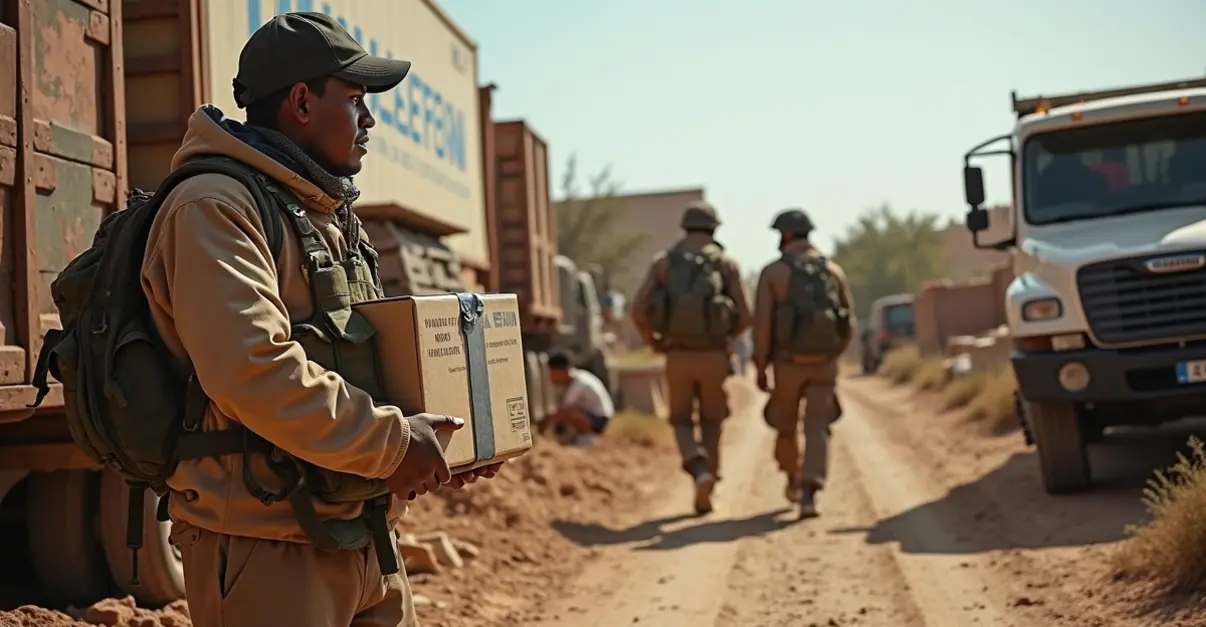
Faced with these constraints, humanitarian organizations are adopting 'hyperprioritization' strategies to address funding limitations. The UN and humanitarian partners have developed comprehensive, ready-to-implement plans for aid delivery, including a five-stage framework for Gaza that features cargo submission and tracking via UN mechanisms with QR codes, inspection and verification at crossing points, secure transport with GPS tracking, and final distribution through established networks.
'We're building on proven operational practices with 160,000 pallets of aid already positioned for immediate entry,' says UN humanitarian coordinator David Miller. 'The plan emphasizes transparency, accountability, and direct delivery to those in need without diversion, but we need sustained funding and security guarantees to implement it effectively.'
The Future of Humanitarian Air Bridges
Looking ahead, the humanitarian sector faces difficult choices. The future points toward increased digitalization and private sector involvement, but these innovations must be balanced against the fundamental need for secure humanitarian corridors as conflicts persist and climate-related disasters increase. The Global Humanitarian Assistance report projects that 305 million people globally need humanitarian assistance in 2025, creating a widening gap between needs and available resources.
'We're at a critical inflection point,' concludes humanitarian policy expert Amina Hassan. 'Air bridges and humanitarian corridors remain essential tools, but they require renewed international commitment, better coordination mechanisms, and sustainable funding models. Without these, we risk abandoning millions to preventable suffering.'