Deutsch
 English
 Español
 Français
 Nederlands
 Português






Negotiations Over Gaza Aid Corridors Reach Critical Phase
As the humanitarian crisis in Gaza deepens, negotiations over aid corridors have become a focal point of international diplomacy with far-reaching implications for policy, markets, and regional stability. The discussions, involving Israel, Egypt, Qatar, and international organizations, aim to establish reliable pathways for humanitarian assistance while addressing complex security concerns.
According to recent analysis from the Foundation for Defense of Democracies, Israel announced new humanitarian measures in July 2025 including 'humanitarian pauses and safe aid corridors' to facilitate UN aid delivery. 'These measures represent a significant shift in approach,' says regional analyst David Cohen. 'They're designed to balance security concerns with the urgent need to address the humanitarian catastrophe.'
The Humanitarian Crisis Deepens
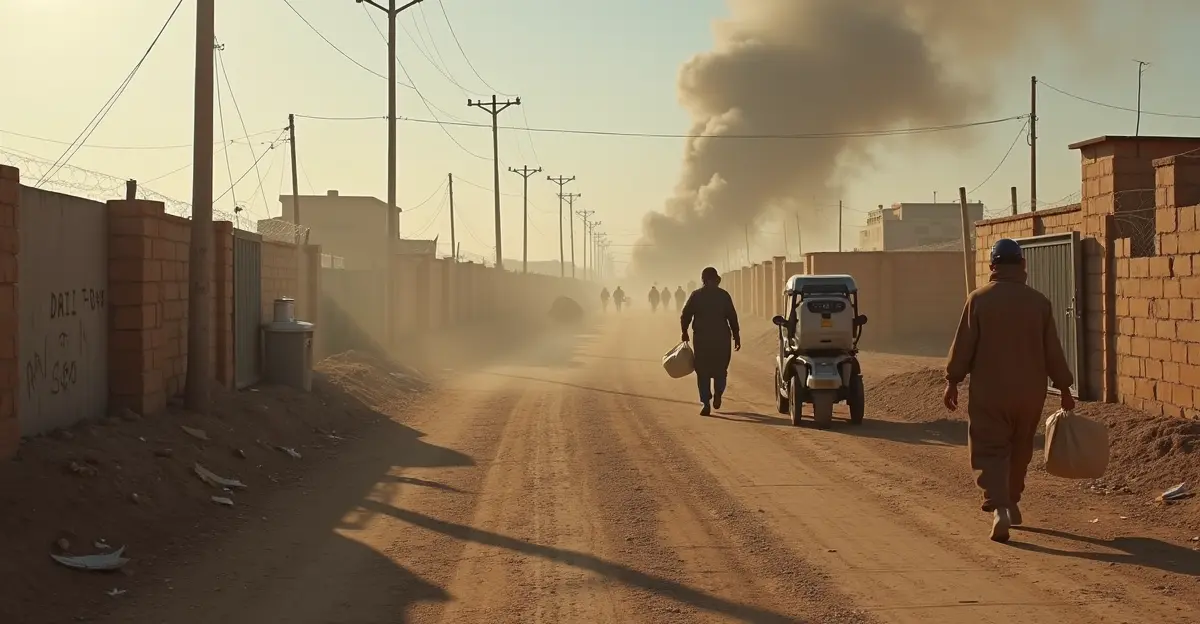
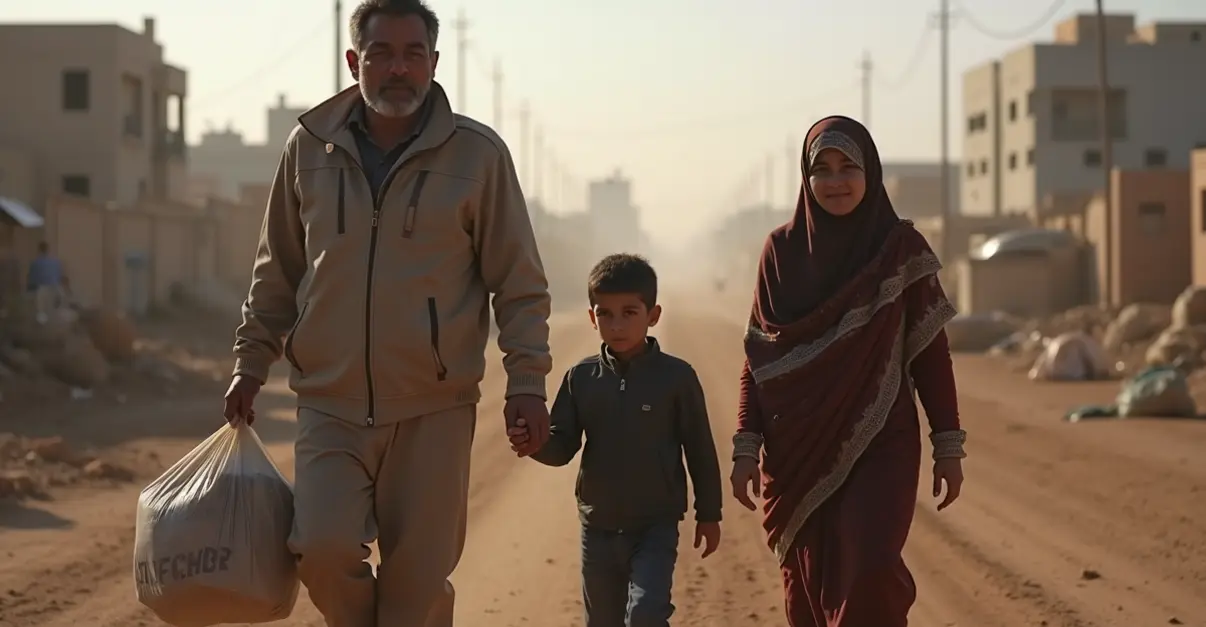
The backdrop to these negotiations is a dire humanitarian situation. As documented on Wikipedia, the Gaza Strip faces what experts describe as both an ongoing famine and healthcare collapse. Integrated Food Security Phase Classification (IPC) projections from August 2025 show 100% of Gaza's population experiencing 'high levels of acute food insecurity,' with 32% projected to face catastrophic levels by September 2025.
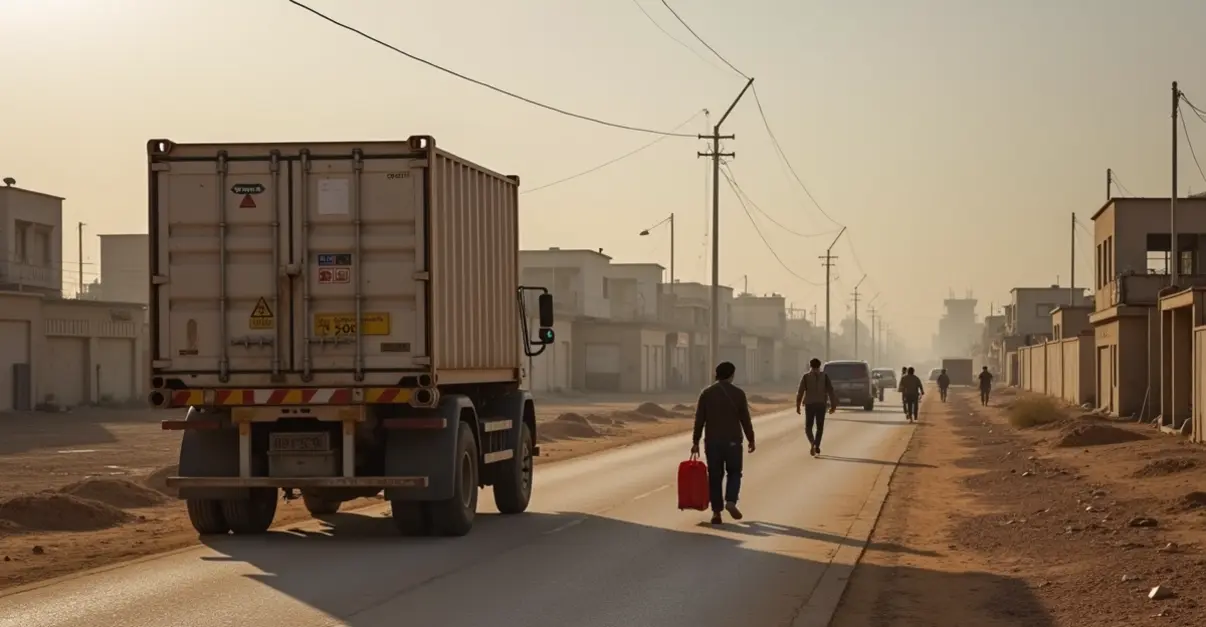
The ceasefire that took effect on October 10, 2025, under the Comprehensive Plan to End the Gaza Conflict, initially promised up to 600 humanitarian aid trucks daily. However, this has been reduced to 300, with Israeli officials citing delays in recovering hostages' bodies. UN data shows that between October 10-16, 2025, only 216 trucks reached their intended destinations within Gaza.
Egypt's Expanding Role
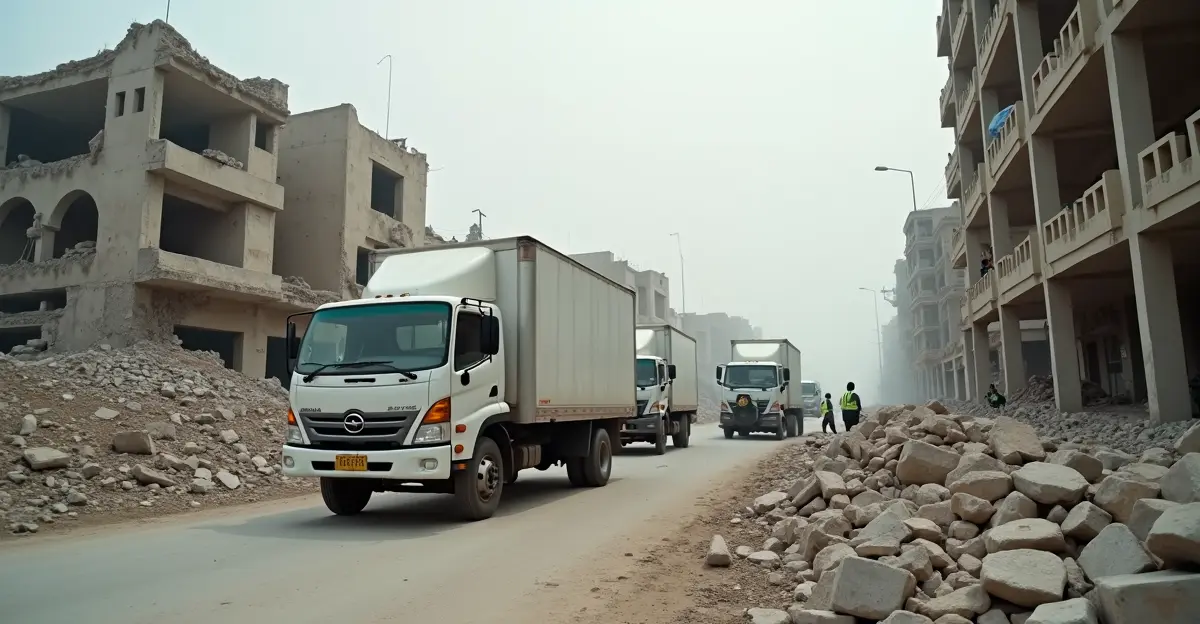
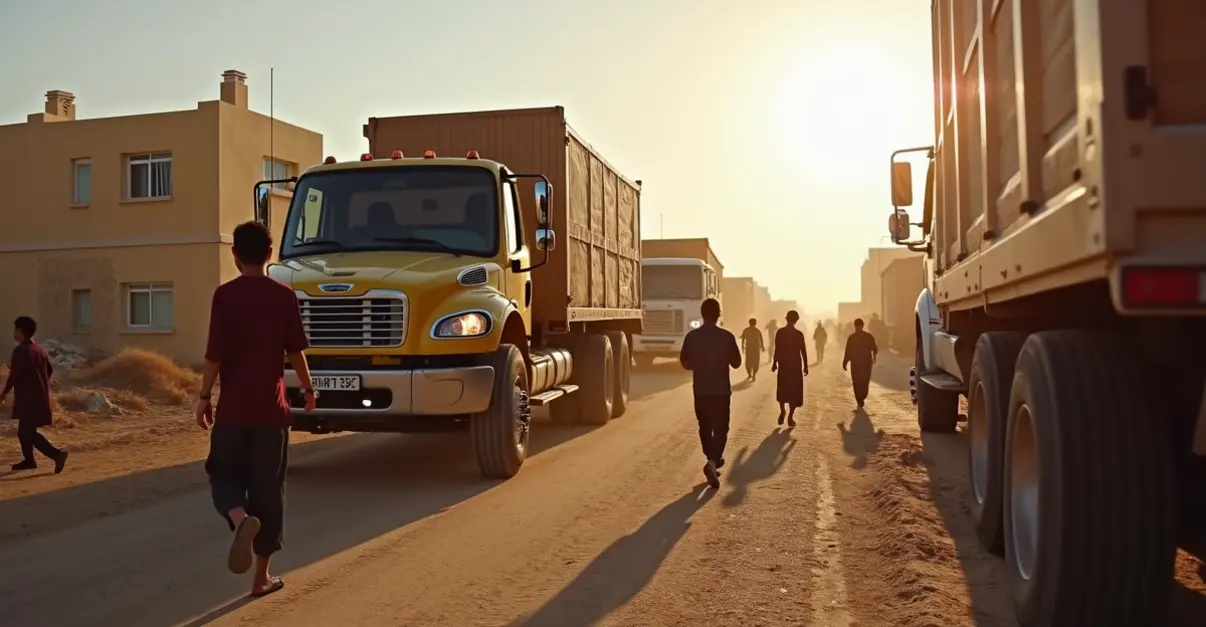
Egypt has emerged as a critical player in the aid corridor negotiations. The country recently dispatched its 108th Zad Al-Izzah humanitarian aid convoy to Gaza, as reported by Egypt Today. These convoys carry thousands of tons of food, medical supplies, medicines, fuel products, and shelter materials.
'Egypt maintains that the Rafah crossing remains open from our side,' says Egyptian Foreign Ministry spokesperson Ahmed Abu Zeid. 'The challenge lies in coordination and security arrangements that satisfy all parties while ensuring aid reaches those most in need.'
To date, Egypt has facilitated the entry of over 36,000 aid trucks carrying nearly half a million tons of humanitarian supplies into Gaza, supported by approximately 35,000 volunteers.
Market Implications and Economic Considerations
The aid corridor negotiations have significant implications for regional markets and global commodities. According to analysis from AInvest, the humanitarian pause announced in July 2025 occurs amid ongoing volatility including Houthi attacks on Red Sea shipping lanes, which have pushed Brent crude prices to $85/barrel and increased agricultural commodity prices by 12% year-to-date.
The insurance sector has responded with Allianz and Munich Re increasing Israeli coverage costs by 15-20%, while political risk insurance demand surged 25% in 2025. 'Geopolitical risk has become central to investment decisions in conflict-adjacent markets,' notes financial analyst Sarah Goldstein.
The International Monetary Fund (IMF) stated in October 2025 that a Gaza peace deal creates an opportunity for lasting economic recovery in the region. This perspective, reported by Reuters, suggests that political stability through effective aid corridors could enable sustainable economic growth and reconstruction efforts.
Policy Challenges and Future Outlook
The negotiations face multiple challenges, including security concerns, logistical hurdles, and political complexities. The Israel Policy Forum's July 2025 document on 'Gaza Humanitarian Aid and Ceasefire Negotiations' addresses the critical intersection of humanitarian assistance and diplomatic efforts.
Human rights organizations continue to monitor the situation closely. 'What we're seeing is a race against time,' says UN humanitarian coordinator Maria Rodriguez. 'Every day that passes without adequate aid corridors means more suffering for civilians. The negotiations must produce tangible results that translate into food, medicine, and shelter reaching people immediately.'
Looking ahead, experts suggest that successful aid corridor negotiations could serve as a foundation for broader regional cooperation. The establishment of reliable, secure pathways for humanitarian assistance might pave the way for more comprehensive economic and political agreements in the future.
As these negotiations continue, the international community watches closely, recognizing that the outcomes will shape not only humanitarian conditions in Gaza but also regional stability, market dynamics, and the future of Middle East diplomacy for years to come.