


 Deutsch
 English
 Español
 Français
 Nederlands
 Português


 Share
Share




What is the Gaza Aid Corridor Situation in 2026?
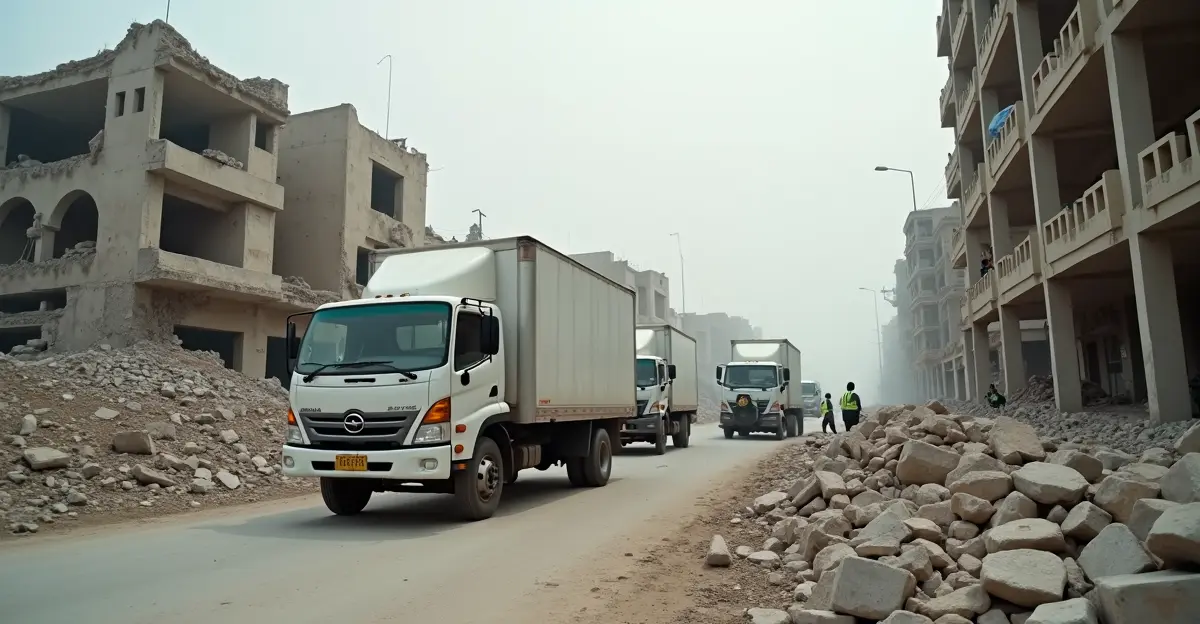
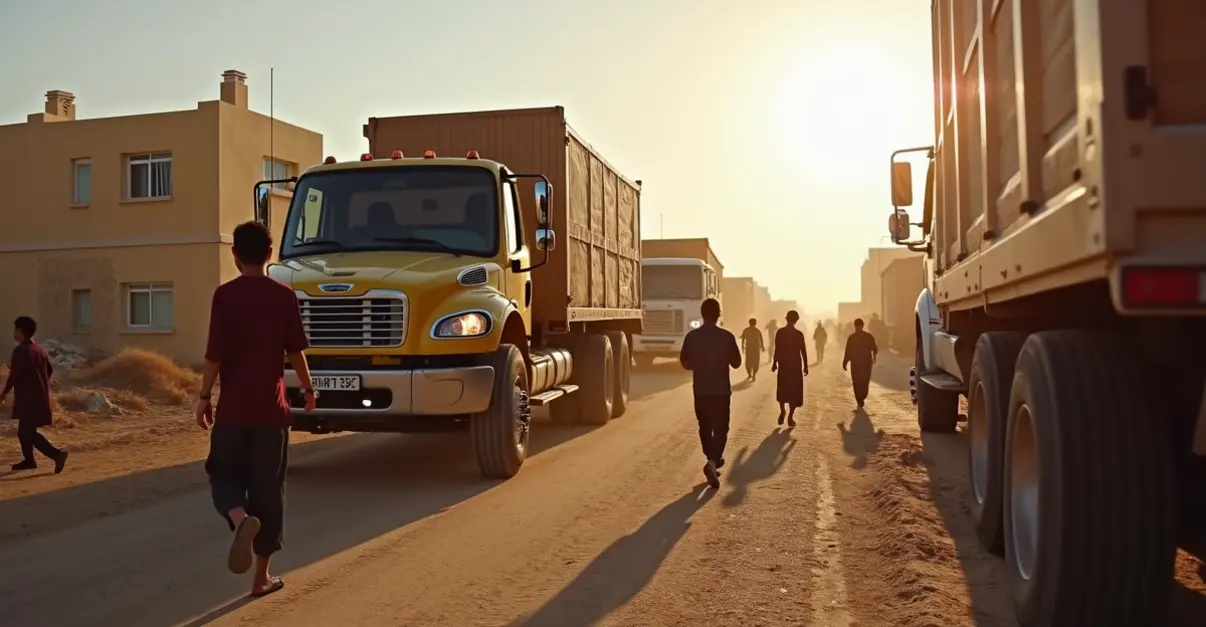
Four months after the October 2025 ceasefire between Israel and Hamas, the Gaza aid corridor remains a complex web of security obstacles, coordination challenges, and humanitarian imperatives. As of February 2026, while over 10,000 aid trucks have entered Gaza and famine has been narrowly avoided, 77% of Gaza's population still faces crisis-level food insecurity. The recent reopening of the Rafah crossing on February 1, 2026, after more than a year of closure, represents both progress and persistent challenges in humanitarian access. According to UN reports, only five of eight attempted humanitarian missions were fully facilitated by Israeli authorities in late January, with critical missions to water treatment plants denied.
Current Status of Aid Flow and Security Obstacles
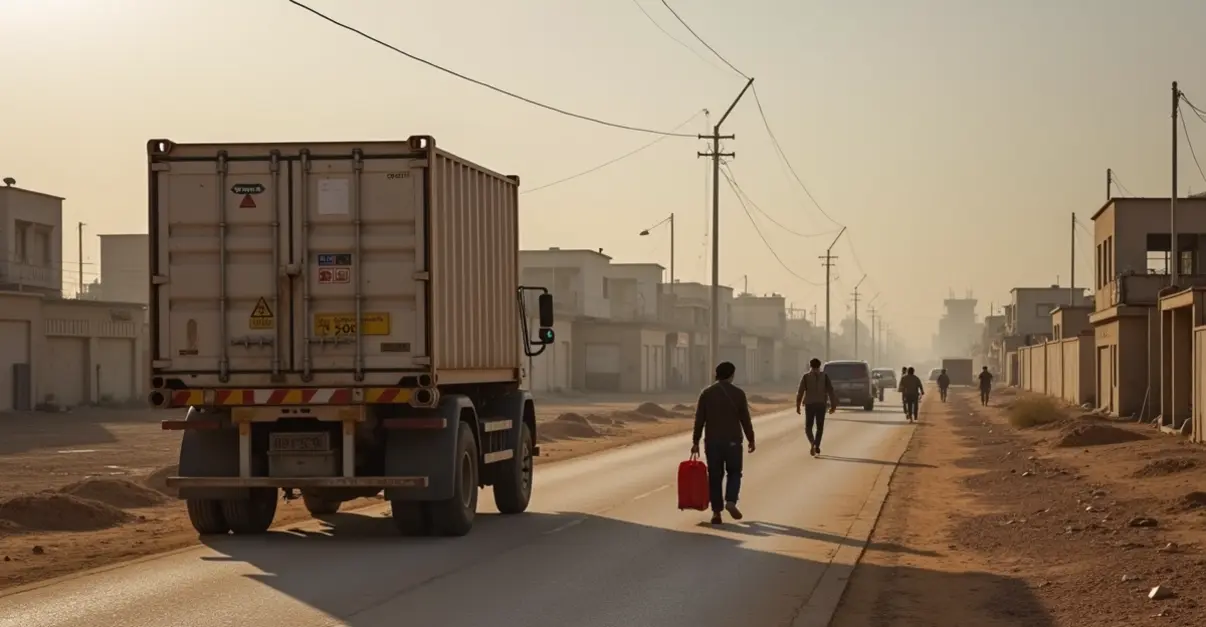
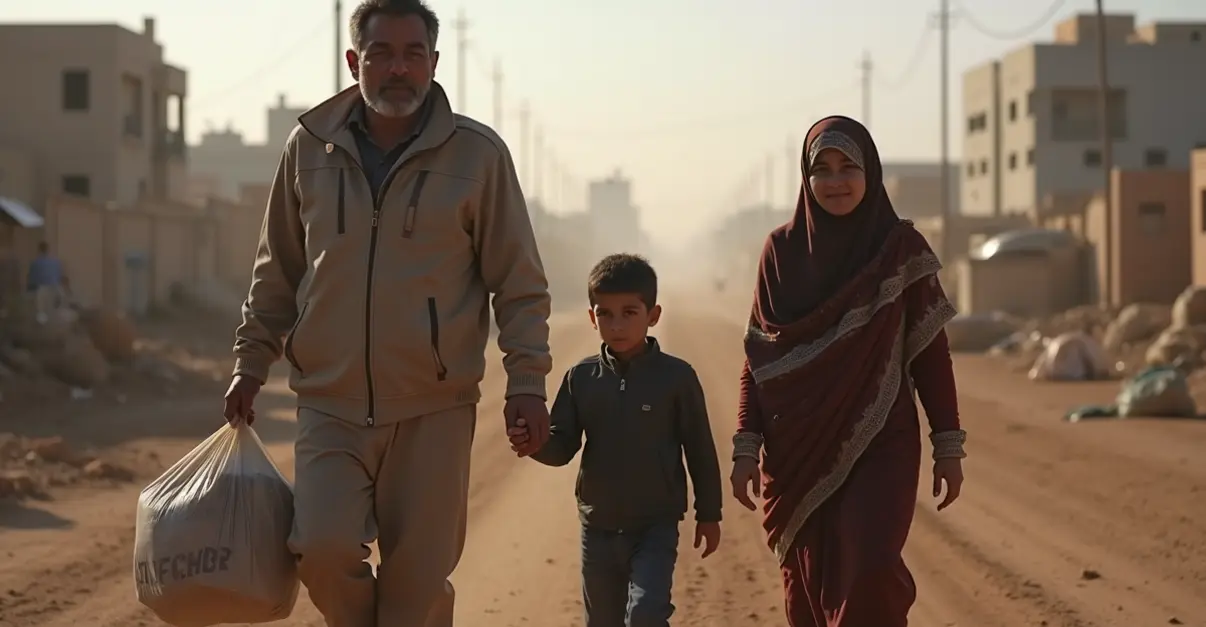
The humanitarian landscape in Gaza remains precarious despite the ceasefire. Nearly 1.5 million Palestinians—two-thirds of Gaza's population—live in displacement sites or tents, with hundreds more in damaged buildings at risk of collapse. The UN Office for the Coordination of Humanitarian Affairs (OCHA) has identified 11 major challenges currently impeding aid delivery, including threats to humanitarian workers, breakdown of law and order, IDF movement denials and delays, poor telecommunications, desperate crowds looting trucks, insufficient route alternatives, and damaged infrastructure.
Security Screening and Access Restrictions
Israel's security protocols continue to create significant bottlenecks. The Rafah crossing reopening allows only about 50 Palestinians to cross daily on foot, with strict coordination involving Egypt, the EU, and Israeli security services. Israel uses facial recognition software to verify approved names, while entries from Egypt undergo Israeli security screening. This mirrors broader patterns seen during the Syrian refugee crisis where security concerns complicated humanitarian responses. Approximately 13,000 patients remain waiting for medical referrals, with over 18,500 total patients including 4,000 children still needing treatment abroad.
Physical and Logistical Barriers
Humanitarian operations face severe physical constraints. Only 6 of 22 UNRWA clinics remain operational, and healthcare systems remain critically damaged. During January 21-28, shelter partners assisted 11,826 households affected by conflict and 772 households affected by heavy rainfall, but severe flooding at displacement sites has been exacerbated by debris accumulation causing mice infestations. Shortages of basic tools continue to hamper cleanup efforts, creating public health risks.
Coordination Challenges and the UN2720 Mechanism
The UN2720 Mechanism, established under UN Security Council Resolution 2720 (2023), represents a major coordination effort to streamline aid delivery. This integrated application portal and database system enables humanitarian partners to register aid consignments, submit clearance requests to COGAT (Coordinator of Government Activities in the Territories), and obtain customs clearance. The system tracks UN-manifested humanitarian aid movements since May 2025 and provides real-time pipeline visibility through multiple corridors including Jordan, maritime routes via Ashdod Port and Cyprus, with plans to expand to Egypt.
How the UN2720 System Works
The mechanism operates through a single application window that processes all humanitarian assistance requests, with plans to eventually include commercial requests. Key features include:
- Integrated database for real-time tracking of aid pipelines
- Verification of humanitarian cargo based on prioritized needs
- Monitoring of cargo flow at supply chain points
- Joint Operations Centres for coordination
- UN technical staff deployed to key locations including Cyprus and Jordan
NGO Approval and Operational Challenges
An investigation by The New Humanitarian reveals that only select NGOs have received Israeli approval to scale up humanitarian operations in Gaza. This vetting system creates a two-tiered humanitarian response, with "compliant" organizations navigating complex requirements while others face restrictions. The selection criteria and operational implications of this approval process significantly affect aid delivery to Gaza's population, creating challenges similar to those faced during the Afghanistan humanitarian response after the Taliban takeover.
Security Concerns vs. Humanitarian Needs
Israeli authorities cite legitimate security concerns, with analysis from the Foundation for Defense of Democracies warning that reopening border crossings could enable Hamas to resume smuggling operations. However, humanitarian organizations argue that excessive restrictions are costing lives. The World Health Organization is supporting medical evacuations, but only 5 of 27 wounded patients were approved for travel in recent weeks. This tension between security and humanitarian imperatives represents a fundamental challenge in the aid corridor's operation.
Impact on Gaza's Population and Future Outlook
The human cost of these coordination challenges is staggering. According to OCHA's Situation Report No. 65 (as of January 29, 2026), 28 Palestinians were killed and 62 injured in recent violence, bringing ceasefire casualties to 492 killed and 1,356 injured. Eleven hypothermia-related child deaths occurred due to winter conditions, highlighting the dire living conditions. OCHA continues supporting relocation of families from high-risk areas including Khan Younis shoreline (750 households relocated), Gaza city UXO contamination zones, and Deir al Balah, but site management coverage remains limited to only 40% of active displacement sites.
Long-term Solutions and Reconstruction
Humanitarians have provided tents and essential items to over 85,000 families in January, but these offer only temporary relief. The UN emphasizes that durable housing solutions require lifting restrictions on construction materials and equipment—a challenge that echoes the post-conflict reconstruction in Yemen. UN Secretary-General António Guterres has warned of the urgent situation, calling for full ceasefire implementation and unimpeded aid delivery, while the international community is urged to ensure compliance with international law and respect for Palestinian human rights.
Expert Perspectives on the Aid Corridor
Humanitarian experts emphasize the need for balanced approaches. "While security concerns are legitimate, they cannot justify the collective punishment of Gaza's civilian population," notes one regional analyst. "The UN2720 Mechanism represents important progress in coordination, but technology alone cannot overcome political obstacles." Another expert points to the broader regional implications: "The Gaza aid corridor challenges reflect deeper issues in Middle East humanitarian diplomacy that will require sustained international engagement."
Frequently Asked Questions About Gaza Aid Corridors
What is the UN2720 Mechanism?
The UN2720 Mechanism is an integrated application portal and database system established under UN Security Council Resolution 2720 (2023) to streamline humanitarian aid delivery to Gaza. It enables partners to register consignments, submit clearance requests to COGAT, and track aid movements in real-time through multiple corridors.
Why is the Rafah crossing reopening significant?
The Rafah crossing reopened on February 1, 2026, after over a year of closure, allowing limited pedestrian passage for medical patients and returnees. It represents a critical lifeline for thousands needing medical treatment abroad but operates under strict security protocols allowing only about 50 crossings daily.
What are the main security obstacles to aid delivery?
Major obstacles include IDF movement denials/delays, threats to humanitarian workers, breakdown of law and order, poor telecommunications, desperate crowds looting trucks, insufficient route alternatives, damaged roads, and complicated staff entry processes.
How many people in Gaza need humanitarian assistance?
Approximately 1.5 million Palestinians (two-thirds of Gaza's population) live in displacement sites or tents, with 77% facing crisis-level food insecurity despite over 10,000 aid trucks entering since the ceasefire.
What is the future outlook for Gaza aid corridors?
The outlook depends on political will, security conditions, and international pressure. While technological solutions like the UN2720 Mechanism help, durable solutions require lifting restrictions on construction materials and addressing fundamental political obstacles to humanitarian access.

Follow Discussion