


 Deutsch
 English
 Español
 Français
 Nederlands
 Português


 Share
Share




Gaza Humanitarian Aid Corridor Status 2026: Latest Negotiations and On-Ground Delivery Challenges
The Gaza humanitarian aid corridor remains a critical lifeline for 1.6 million people facing acute food insecurity in 2026, with ongoing negotiations over security arrangements and persistent delivery challenges threatening relief efforts. As of January 2026, Israel announced plans to reopen the Rafah Crossing on February 1 for limited movement, with coordination involving Egypt and the European Union, according to the UN Office for the Coordination of Humanitarian Affairs (OCHA) Situation Report No. 65. However, the Philadelphi Corridor dispute continues to complicate security negotiations, while aid organizations struggle with infrastructure damage, limited crossings, and winter conditions that have already claimed 11 hypothermia-related deaths among children.
What is the Gaza Humanitarian Aid Corridor?
The Gaza humanitarian aid corridor refers to the complex network of border crossings, maritime routes, and coordination mechanisms established to deliver essential supplies to Gaza's civilian population. In 2026, this system operates through multiple pathways including Jordan, maritime routes via Ashdod Port and the Cyprus Maritime Corridor, with plans to expand to Egypt. The UN2720 Mechanism, a comprehensive humanitarian aid coordination system launched in May 2025, enables partners to register aid consignments on an integrated portal, facilitates clearance approvals from relevant authorities including COGAT (Coordinator of Government Activities in the Territories), and systematically tracks aid delivery to civilian destinations in Gaza.
Current Security Negotiations and Arrangements
The security landscape surrounding Gaza's aid corridors remains contentious in early 2026, with several key developments shaping humanitarian access:
The Philadelphi Corridor Dispute
The 14-kilometer Philadelphi Corridor along the Gaza-Egypt border has emerged as a major flashpoint in security negotiations. Israeli Prime Minister Benjamin Netanyahu insists Israel must maintain control over this strategic strip to prevent weapons smuggling through underground tunnels, arguing this is essential for Israel's security following the October 2023 attacks. However, Egypt strongly opposes any Israeli military presence along its border, warning it threatens the 1979 peace treaty. This dispute has become a significant obstacle in cease-fire negotiations, with Hamas demanding complete Israeli withdrawal from Gaza and accusing Netanyahu of raising the corridor issue to derail talks.
Border Crossing Reopenings
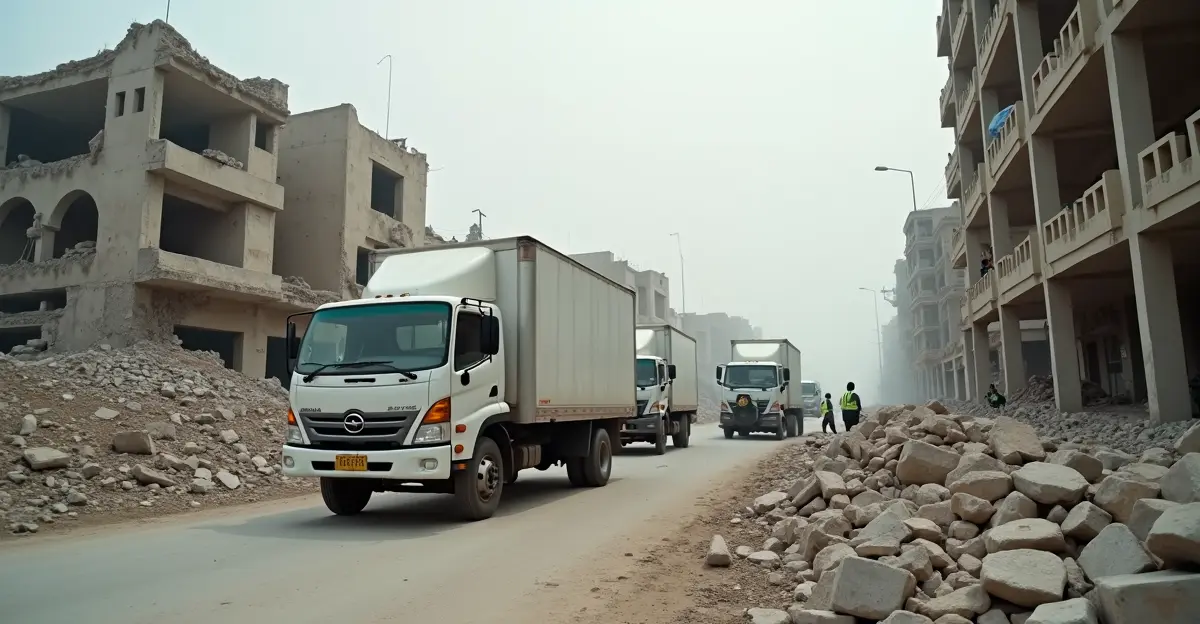
According to OCHA's January 2026 report, Israel announced plans to reopen the Rafah Crossing on February 1 for limited movement, marking a potential breakthrough in humanitarian access. This development follows months of negotiations involving Egypt and the European Union. However, only two border crossings remain operational as of early 2026, severely limiting aid delivery capacity. The UN ceasefire monitoring mechanisms continue to face challenges as aid deliveries experience delays due to Israeli rerouting of humanitarian trucks, causing congestion and traffic issues that further complicate relief efforts.
International Coordination Mechanisms
The UN2720 Mechanism represents a significant advancement in aid coordination, featuring an integrated database for real-time pipeline visibility, verification of humanitarian cargo, and monitoring of aid flow with deployed monitors in Gaza, Jordan, and Cyprus. The system supports prioritization by the Humanitarian Coordinator and enables tracking of UN-manifested humanitarian aid movements. However, implementation faces challenges as security arrangements remain fluid, with ongoing debates about whether enforcement mechanisms like access control and monitoring become substitutes for political pathways rather than bridges to them.
On-Ground Delivery Challenges in 2026
Despite improved coordination mechanisms, humanitarian organizations face formidable obstacles in delivering aid to Gaza's population:
Infrastructure and Access Limitations
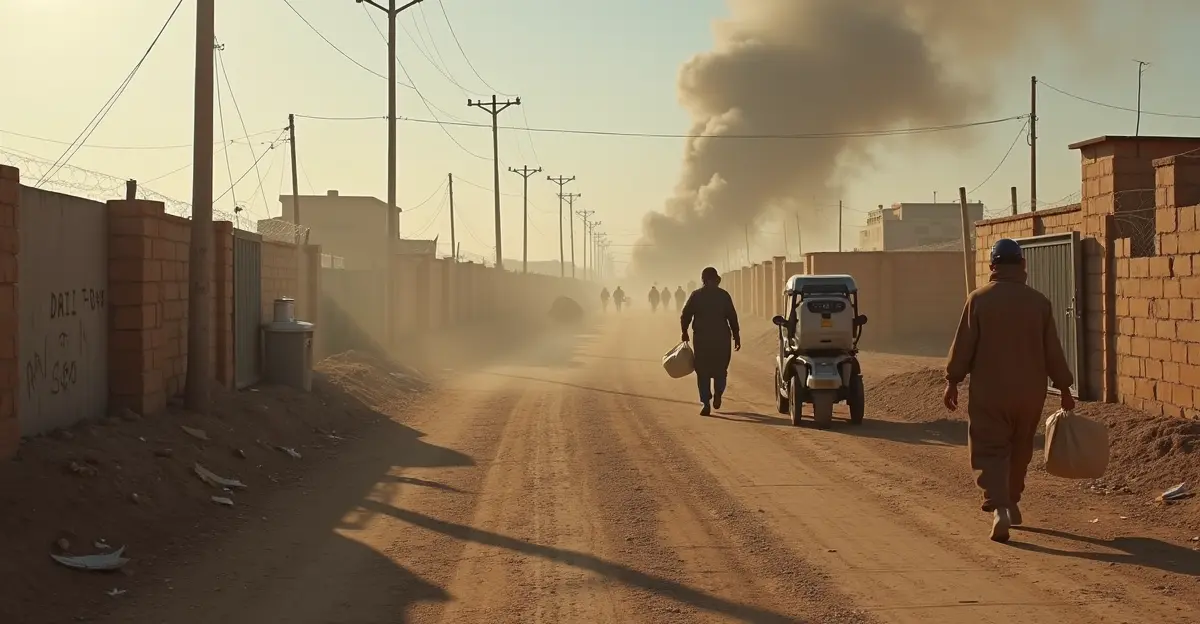
Gazans face apocalyptic destruction, with displaced people living in tents and damaged buildings. Shelter Cluster partners assisted 11,826 households with emergency materials and 772 households affected by heavy rainfall in January 2026 alone. Critical concerns include severe shortages of basic tools for floodwater clearance and rising mice infestations in displacement sites from accumulated debris. OCHA continues supporting relocation efforts for families in high-risk areas exposed to flooding, unsafe structures, and unexploded ordnance contamination, with ongoing challenges in food security and limited site management coverage across displacement sites.
Food Distribution Challenges
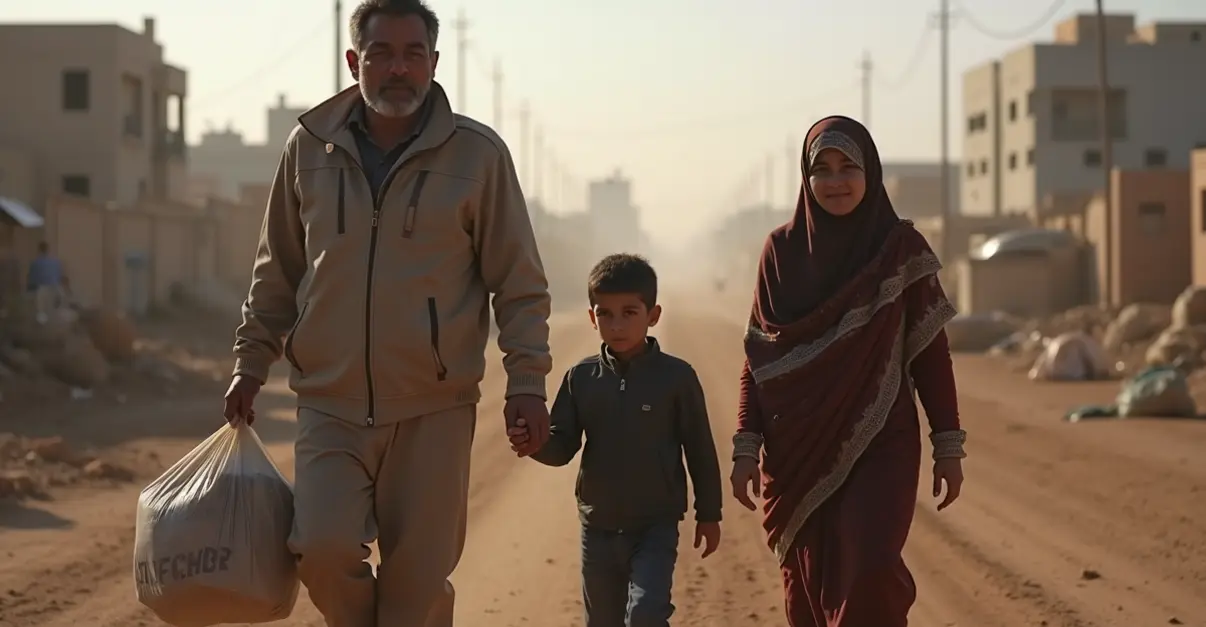
The World Food Programme reports reaching over 1 million people monthly through food parcels, bread bundles, hot meals, and school meals, but this falls short of the 1.6 million people (77% of Gaza's population) facing acute food insecurity. Since the ceasefire began on October 11, 2025, WFP has delivered over 6,700 metric tonnes of food - enough for nearly half a million people for two weeks. However, daily deliveries averaging 750 tonnes remain well below the 2,000-tonne target needed to combat famine. Only 26 of 145 planned distribution points have been restored, with people showing up in large numbers but consuming only part of their rations due to uncertainty about the ceasefire's duration.
Winter Conditions and Health Crises
Winter conditions have exacerbated the humanitarian crisis, with 11 hypothermia-related deaths among children reported in January 2026. Approximately 33 households were forced to flee Khan Younis due to military incursions, and around 100 families displaced near Gaza City. Nutrition programs have treated over 4,300 malnourished pregnant and breastfeeding women, while preventive support reached 134,000 mothers and children. However, the healthcare system collapse in Gaza continues to strain relief efforts, with limited medical supplies reaching affected populations.
Impact on Civilian Population
The combined effect of security negotiations and delivery challenges has created desperate conditions for Gaza's civilian population. Food prices remain prohibitive, with one apple costing what a kilogram did before the conflict. More than 480,000 movements from southern to northern Gaza have been recorded since the ceasefire began, indicating continued displacement and instability. The UN reports 'overwhelming' demand for food aid, with people lining up for hours at distribution points that remain insufficient to meet needs. The situation highlights the critical importance of sustained humanitarian access and the international aid coordination efforts needed to prevent further deterioration.
Expert Perspectives and Future Outlook
Humanitarian experts emphasize that sustaining the ceasefire is vital to save lives and push back famine. UN Spokesperson Stéphane Dujarric expressed concern about reports of renewed Israeli military action, warning against civilian bombings and disruption of aid operations. The World Food Programme requires $347.5 million for operations through May 2026, highlighting the scale of ongoing needs. Looking forward, the key challenge involves sequencing security implementation while political legitimacy remains contested, with multiple competing postwar architectures existing among regional and international stakeholders.
Frequently Asked Questions (FAQ)
What is the current status of Gaza's humanitarian aid corridors?
As of January 2026, Gaza's humanitarian aid corridors operate through multiple pathways including Jordan, maritime routes via Ashdod Port and Cyprus, with plans to expand to Egypt. Israel announced plans to reopen Rafah Crossing on February 1 for limited movement, but only two border crossings remain operational, severely limiting aid delivery capacity.
What is the Philadelphi Corridor dispute about?
The Philadelphi Corridor is a 14-kilometer strip along the Gaza-Egypt border that Israel wants to control to prevent weapons smuggling, while Egypt opposes any Israeli military presence there. This dispute has become a major obstacle in cease-fire negotiations and affects humanitarian access arrangements.
How many people in Gaza need food assistance?
Approximately 1.6 million people (77% of Gaza's population) face acute food insecurity in 2026. The World Food Programme reaches over 1 million people monthly but requires additional access and resources to meet the full need.
What are the main delivery challenges for aid organizations?
Key challenges include limited operational border crossings (only two as of early 2026), infrastructure damage, winter conditions causing hypothermia deaths, food distribution bottlenecks, and security restrictions that delay humanitarian convoys.
What is the UN2720 Mechanism?
The UN2720 Mechanism is a comprehensive humanitarian aid coordination system launched in May 2025 that enables partners to register aid consignments, facilitates clearance approvals, and tracks aid delivery to civilian destinations in Gaza through an integrated portal and database.
Conclusion
The Gaza humanitarian aid corridor status in 2026 reflects both progress and persistent challenges. While improved coordination mechanisms like the UN2720 system offer hope for more efficient aid delivery, security negotiations over the Philadelphi Corridor and limited border crossings continue to constrain humanitarian access. The on-ground reality remains dire, with 1.6 million people facing food insecurity, winter conditions claiming lives, and infrastructure damage complicating relief efforts. The coming months will test whether international coordination can overcome security disputes to deliver the sustained assistance Gaza's population desperately needs. As humanitarian organizations work against these challenges, the regional stability concerns surrounding Gaza's future continue to shape both political negotiations and aid delivery mechanisms.

Follow Discussion