


 Deutsch
 English
 Español
 Français
 Nederlands
 Português


 Share
Share




US-Led Gaza Humanitarian Corridor Negotiations Reach Critical Phase
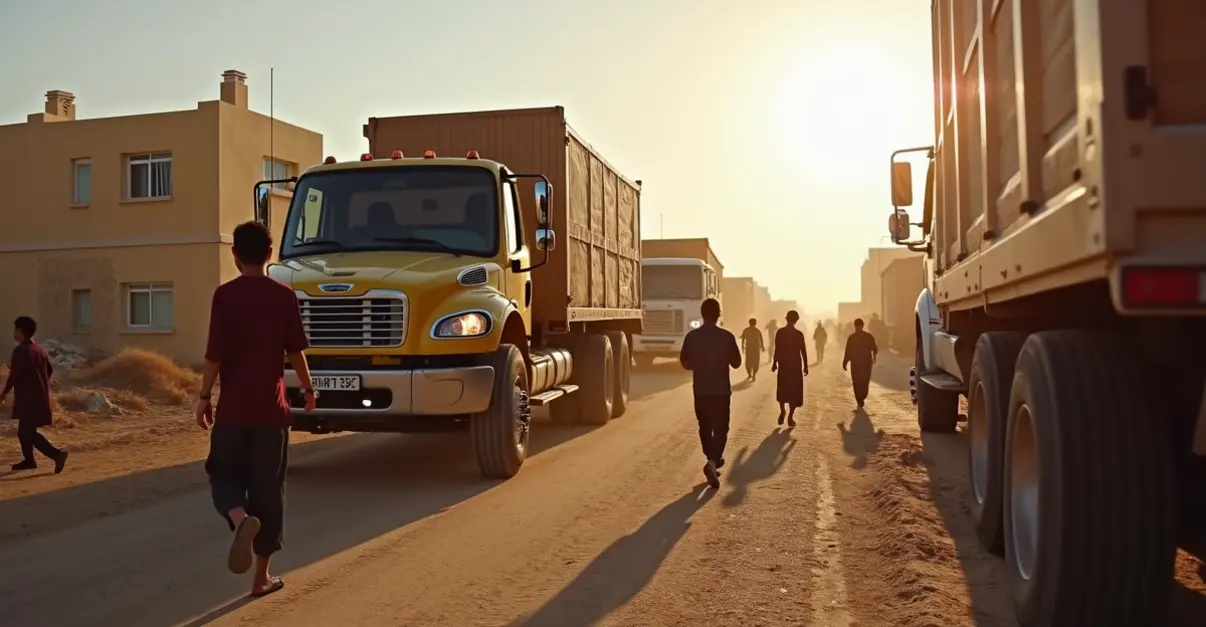
As 2026 unfolds, the United States is at the center of intense negotiations to establish and maintain humanitarian corridors in Gaza, marking a pivotal moment in post-conflict recovery efforts. Following the October 2025 ceasefire that ended two years of devastating conflict, American diplomats are working to implement President Donald J. Trump's Comprehensive Plan to End the Gaza Conflict, which includes critical provisions for aid delivery mechanisms.
The Current Humanitarian Landscape
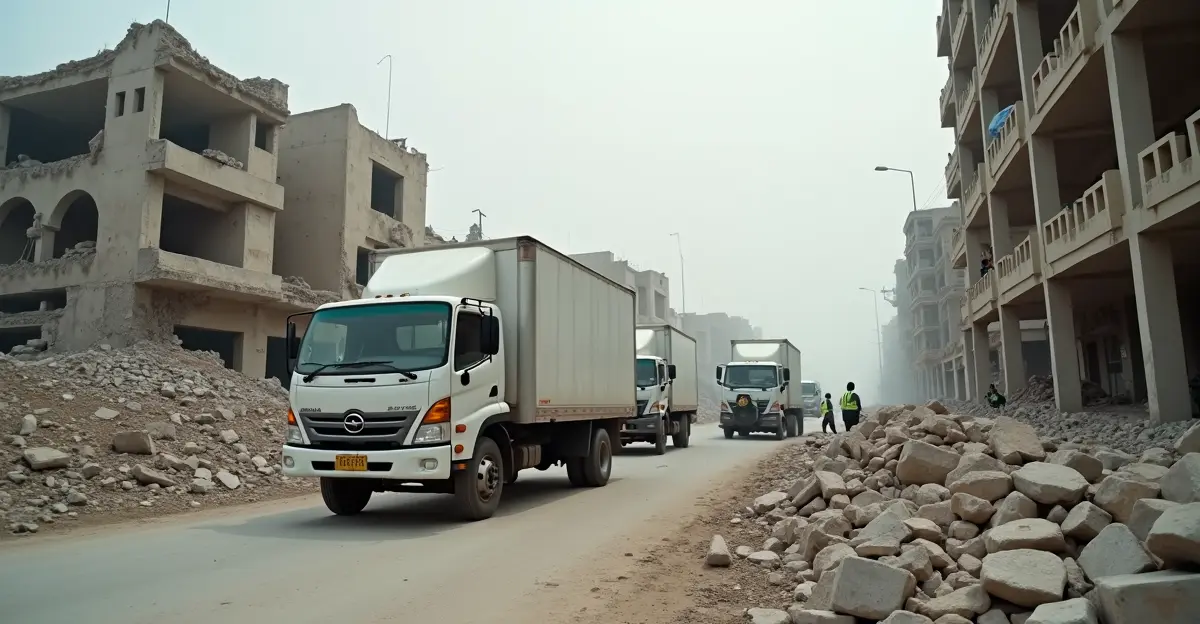
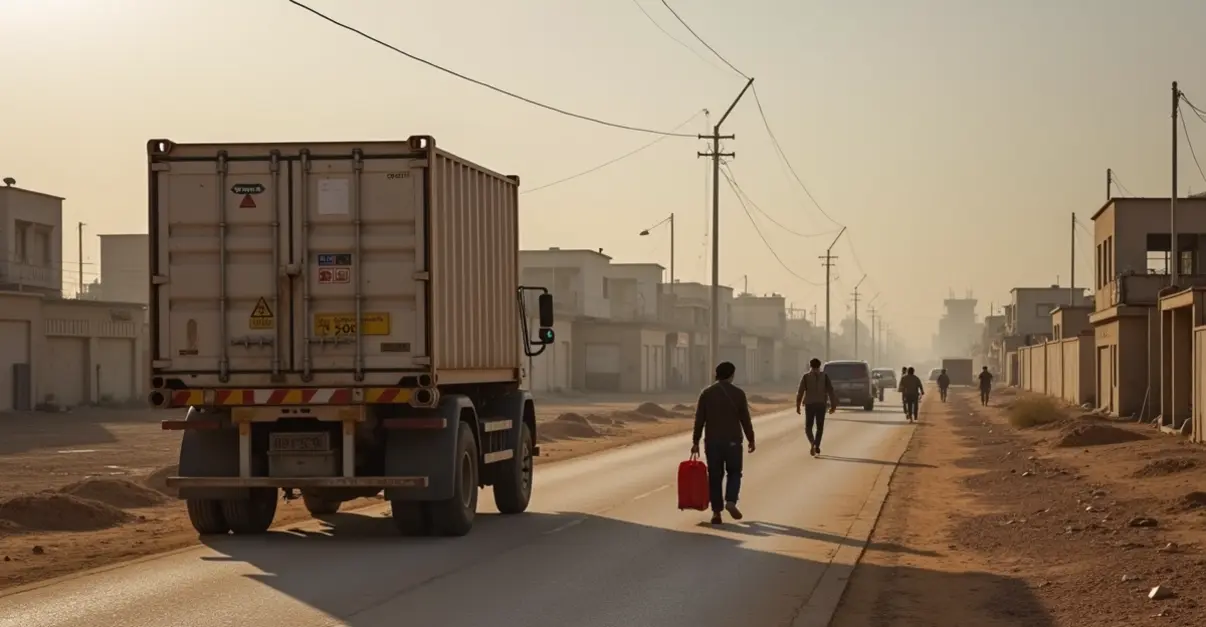
According to the UN OCHA Situation Report No. 59 from January 5, 2026, Gaza faces severe challenges despite recent progress. Humanitarian partners have resumed full monthly food rations for 100,000 people for the first time since October 2023, and 35 health service points have been reactivated with 25 new ones established. However, fuel shortages and road closures continue to severely slow response efforts, with ongoing access restrictions driving up costs and delaying assistance.
'This isn't a formal peace treaty but a remarkable moment that halted hostilities,' says veteran State Department negotiator Aaron David Miller in an NPR interview. 'The agreement addresses three key elements: hostage resolution, cessation of major military operations, and opening pathways for humanitarian aid.'
US Policy Shifts and New Approaches
The United States is actively reconsidering its humanitarian approach to Gaza. According to an exclusive Reuters report from October 2025, the Biden administration is evaluating a new Gaza aid plan that would replace the controversial GHF (Gaza Humanitarian Fund) operation. This represents a significant policy shift as Washington responds to criticism of existing aid structures and seeks more effective delivery mechanisms.
The White House announced on January 16, 2026, that the National Committee for the Administration of Gaza (NCAG) has been formed, led by Dr. Ali Sha'ath, to oversee restoration of public services and stabilization of daily life. This aligns with UN Security Council Resolution 2803 (2025) which endorsed Trump's 20-point peace roadmap.
Market and Community Implications
The humanitarian corridor negotiations have far-reaching implications for regional markets and communities. The establishment of reliable aid corridors could stabilize food prices in Gaza, where inflation has been rampant due to supply chain disruptions. Local markets that have been decimated by the conflict could see gradual recovery as commercial goods flow alongside humanitarian aid.
For neighboring countries and international markets, successful corridor implementation could reduce regional instability that has affected trade routes and investment confidence. The humanitarian situation directly impacts regional economic stability, with spillover effects on tourism, cross-border trade, and foreign investment in the Eastern Mediterranean region.
Community impacts are equally significant. With 424 Temporary Learning Spaces now serving over 232,000 children according to UN reports, educational recovery is underway. However, the potential deregistration of 37 international NGOs that provide essential food, shelter, health, and nutrition services remains a major concern that could reverse recent gains.
International Stabilization Force and Security Framework
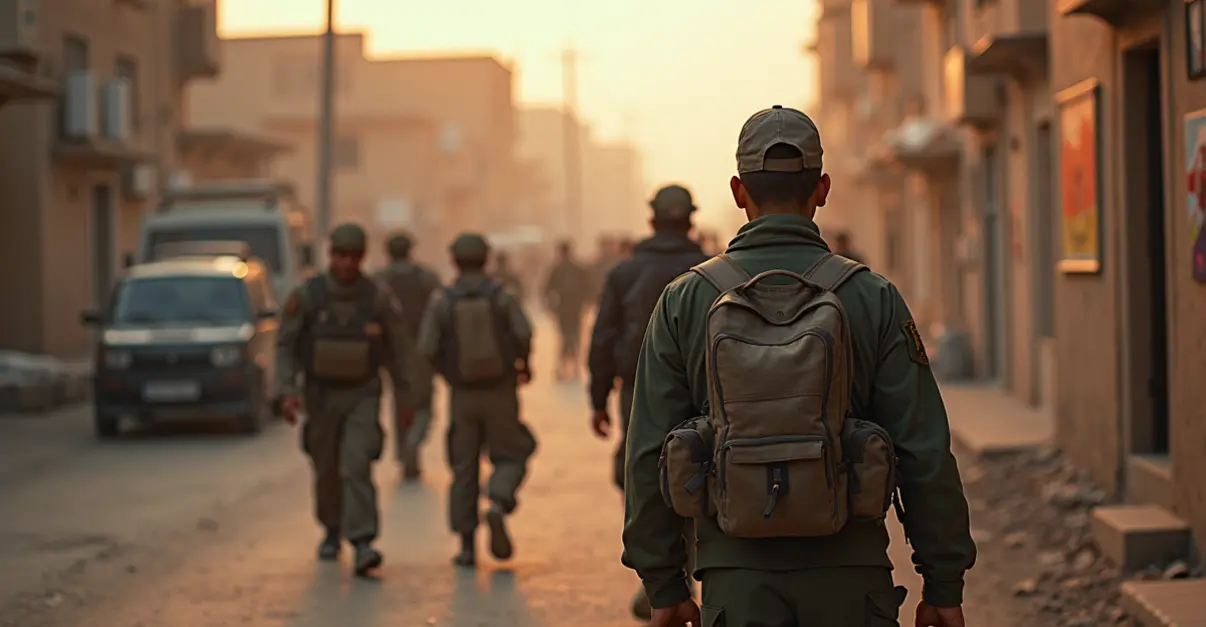
A key component of the US-led plan is the International Stabilization Force (ISF), commanded by Major General Jasper Jeffers. This force is tasked with establishing security to enable humanitarian aid delivery. The Council on Foreign Relations analysis notes that the UN Security Council approved a U.S.-drafted resolution for peace in Gaza on November 17, 2025, with a 13-0 vote (China and Russia abstaining), giving the U.S. legal authority to implement parts of President Trump's twenty-point peace plan.
The resolution establishes a committee to oversee Gaza's security and political transition until 2027, when the Palestinian Authority is scheduled to take over governance. This framework includes Israeli military withdrawal in stages from the 53% of Gaza it currently controls, along with hostage and prisoner exchanges.
Challenges and Future Outlook
Despite progress, significant challenges remain. Both Israel and Hamas have expressed reservations about certain aspects of the peace plan, with Israel opposing any future Hamas role in Gaza and Hamas refusing to disarm. The ceasefire has been fragile, with both sides accusing each other of violations.
UN aid teams have thousands of metric tonnes of supplies ready for immediate deployment if agreement is reached on the US peace plan. 'The operation is ready to go as soon as we get the green light,' stated UN Spokesperson Stéphane Dujarric in October 2025, as indirect talks continued in Egypt.
The humanitarian corridor negotiations represent more than just aid delivery—they're about establishing a foundation for long-term stability in a region that has known little peace. As these talks progress through 2026, the international community watches closely, understanding that successful implementation could serve as a model for conflict resolution and humanitarian response in other crisis zones worldwide.

Follow Discussion