Deutsch
 English
 Español
 Français
 Nederlands
 Português






Humanitarian Access Developments in Gaza: A Fragile Balance
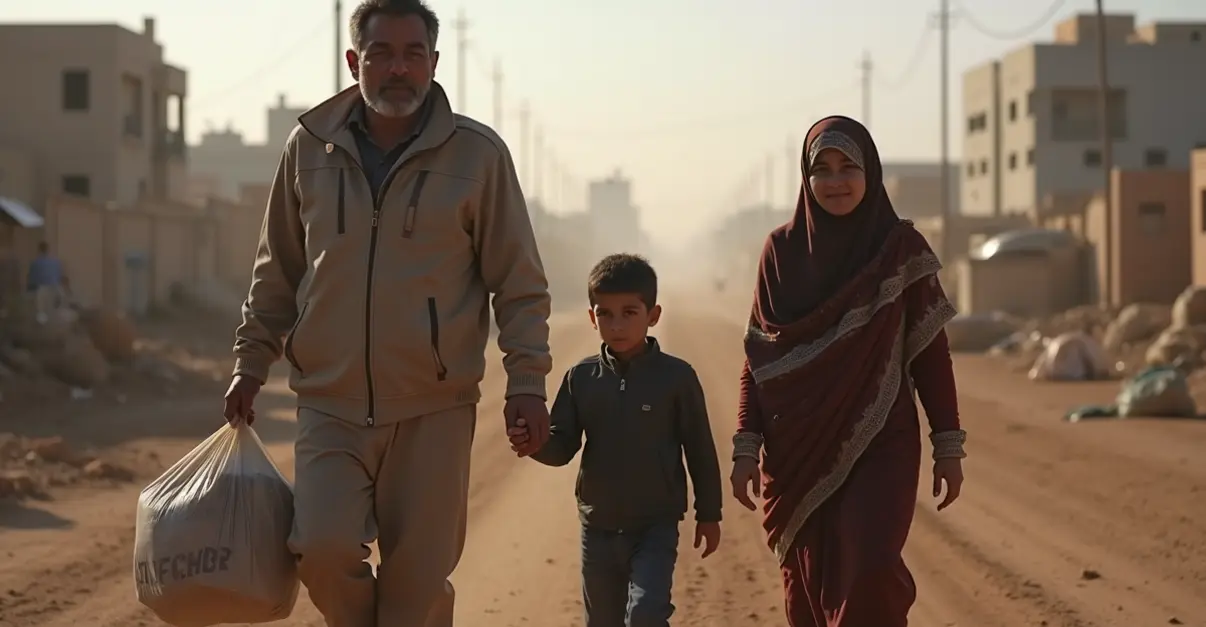
The humanitarian situation in Gaza remains one of the world's most critical crises, with recent developments showing both progress and persistent obstacles in opening corridors for aid delivery and shelter coordination. As winter storms batter damaged infrastructure and temporary shelters, over one million people—half of Gaza's population—urgently need shelter support, according to UN reports.
Border Crossings: Limited Progress Amid Challenges
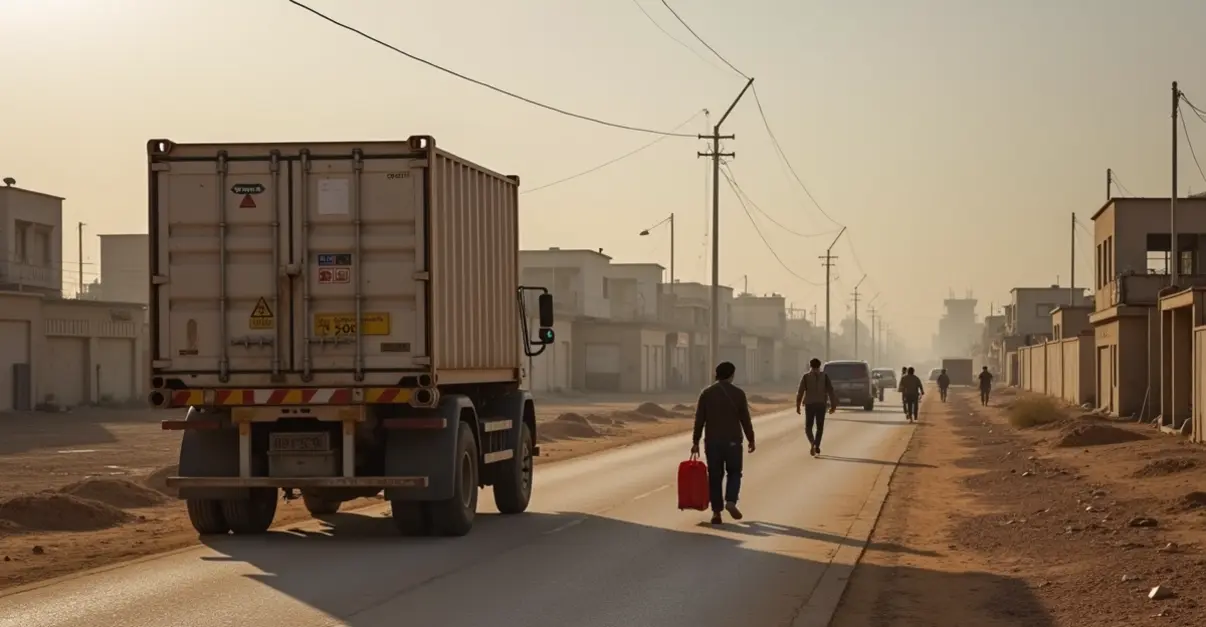
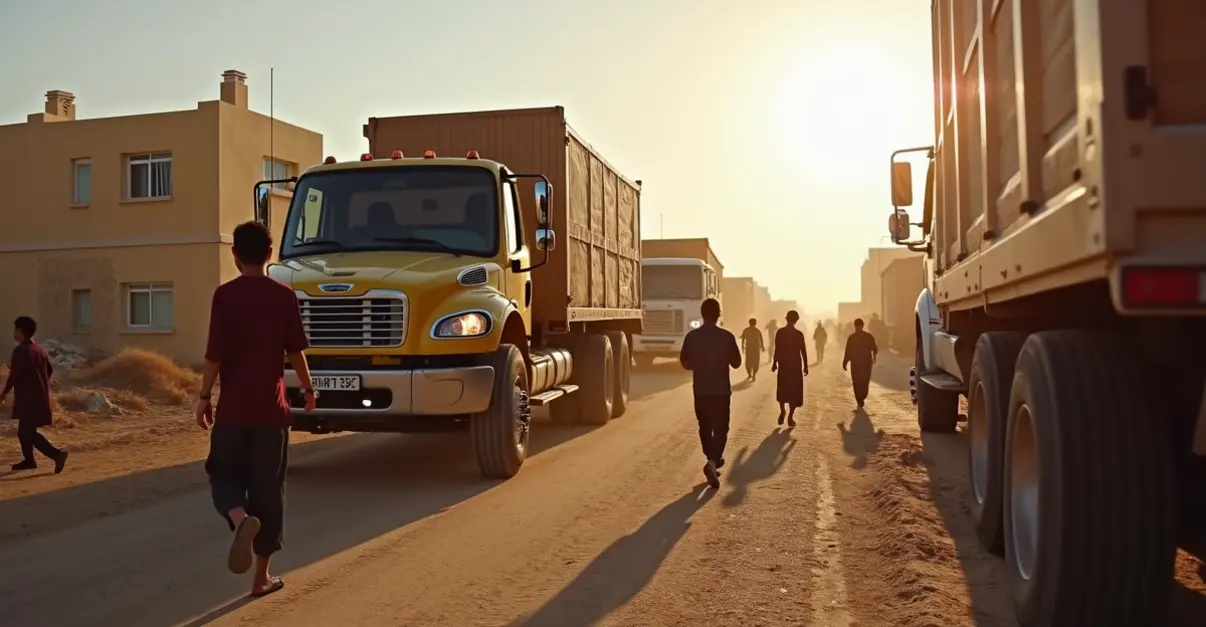
The Rafah border crossing with Egypt, Gaza's main connection to the outside world, has seen intermittent openings that provide temporary relief but fail to meet overwhelming needs. 'War-weary civilians in Gaza are desperately awaiting the reopening of the Rafah crossing to allow for medical evacuations and access to essential supplies,' notes recent AP coverage. Meanwhile, the Kerem Shalom crossing route has become increasingly dangerous due to conflict-induced criminality, forcing reduced operations.
A high-level UN delegation visited Al-Arish city and Rafah border crossing on January 20, 2025, to coordinate post-ceasefire humanitarian aid delivery. 'The ceasefire presents a critical opportunity to address catastrophic humanitarian conditions in Gaza by boosting aid shipments through all available routes,' stated UN officials during the visit documented by OCHA.
Maritime Corridor Struggles
The JLOTS (Joint Logistics Over-the-Shore) Maritime Corridor, established as an alternative delivery method to bypass land border restrictions, has faced significant challenges. A USAID Office of Inspector General report found that various external factors significantly impaired aid distribution through this maritime corridor. Operational difficulties, coordination issues, and security concerns have prevented the maritime corridor from functioning as intended.
Shelter Coordination Crisis
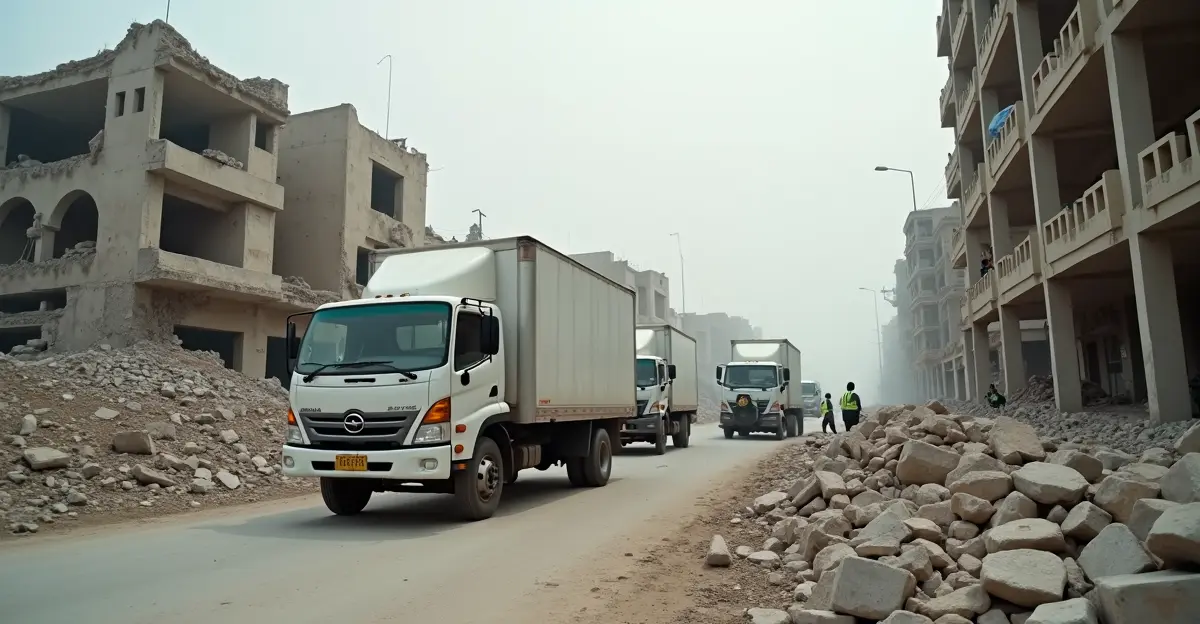
Shelter coordination represents one of the most pressing challenges. Despite distribution of thousands of tents and tarpaulins following the October ceasefire, the situation remains dire. Water, sanitation, and hygiene services are under severe strain with damaged infrastructure and waste accumulation. 'New Israeli restrictions on international NGOs risk crippling humanitarian operations further,' warned UN Secretary-General António Guterres in recent statements.
The restrictions come alongside legislation targeting UNRWA, creating what humanitarian leaders describe as a 'troubling pattern' that undermines basic humanitarian principles. According to OCHA's latest update, food security partners delivered 269,000 meals through 84 kitchens, but operations face major challenges including fuel shortages and attacks on aid convoys resulting in 758 fatalities and over 5,005 injuries since May 27.
Access Denials and Operational Hurdles
The September 2024 Humanitarian Access Snapshot for Gaza reveals severely constrained aid delivery with less than half of coordinated movements facilitated without issues. Of 667 planned movements, 138 were denied by Israeli forces, including 32 water/sanitation and 16 health-related deliveries. Access to northern Gaza was particularly problematic, with only 8% of 91 north-south checkpoint movements facilitated.
Food delivery declined sharply, with the World Food Programme delivering only 41% of planned commodities compared to 58% in August. Humanitarian partners faced stranded personnel, inconsistent crossing information, and denied alternative route proposals, severely hampering winterization preparations and famine prevention efforts.
Famine Conditions and Future Projections
According to Wikipedia's Gaza humanitarian crisis page, Integrated Food Security Phase Classification (IPC) projections show 100% of the population experiencing 'high levels of acute food insecurity,' and 32% projected to face Phase 5 catastrophic levels. On August 22, 2025, the IPC said that famine is taking place in the Gaza Governorate, with famine likely to occur in Deir al-Balah and Khan Yunis Governorates within the next month.
Alexia Guillaume, an Associate Humanitarian Affairs Officer with OCHA working at the Al-Arish logistical hub, describes the challenges: 'All supplies require Israeli approval via manifests submitted the day before crossing, followed by multiple inspections on both Egyptian and Israeli sides. Major challenges include unpredictable inspection delays, protection of supplies from looting and weather, and reduced aid flow since the Rafah ground offensive began in May 2024.'
The situation remains critical as Gaza's needs exceed any other global crisis, requiring constant adaptation to evolving conditions. With water distribution decreasing to 17,045 cubic meters daily due to fuel restrictions and 80% of WASH facilities now in militarized zones, the humanitarian response remains critically insufficient to meet population needs.