


 Deutsch
 English
 Español
 Français
 Nederlands
 Português


 Share
Share




The Spoilage Problem
Every year, about one-third of all food produced for human consumption goes to waste, largely due to spoilage. As the global population grows, finding ways to extend the shelf life of food becomes critical. Could new technologies put an end to food expiration?
Traditional Preservation Methods
Humans have preserved food for millennia using techniques like boiling, burial, and canning. Boiling kills microbes, burial in dry or cold environments creates preservation conditions, and canning (invented by Nicolas Appert in the early 1800s) involves sealing food in airtight containers after heating. These methods reduce water activity or oxygen exposure - key factors in spoilage.
Modern Innovations: MAP and Beyond
In 2025, Modified Atmosphere Packaging (MAP) is revolutionizing food storage. By replacing air inside packaging with controlled gas mixtures (nitrogen, CO₂, oxygen), MAP slows bacterial growth while maintaining freshness. Recent studies show it reduces synthetic preservative needs by up to 40%.
Smart packaging is another breakthrough. These materials contain freshness indicators that change color when spoilage begins, giving consumers real-time quality information.
Water Activity: The Science of Dryness
Water activity (aw) measures water availability for microbial growth. By reducing aw through dehydration, freezing, or humectants (salt/sugar), we prevent bacteria and mold from thriving. UC research confirms most bacteria can't grow below 0.91 aw, while molds survive down to 0.65.
New precision-drying technologies create shelf-stable foods with better texture and nutrition retention than traditional methods.
Will Food Ever Last Forever?
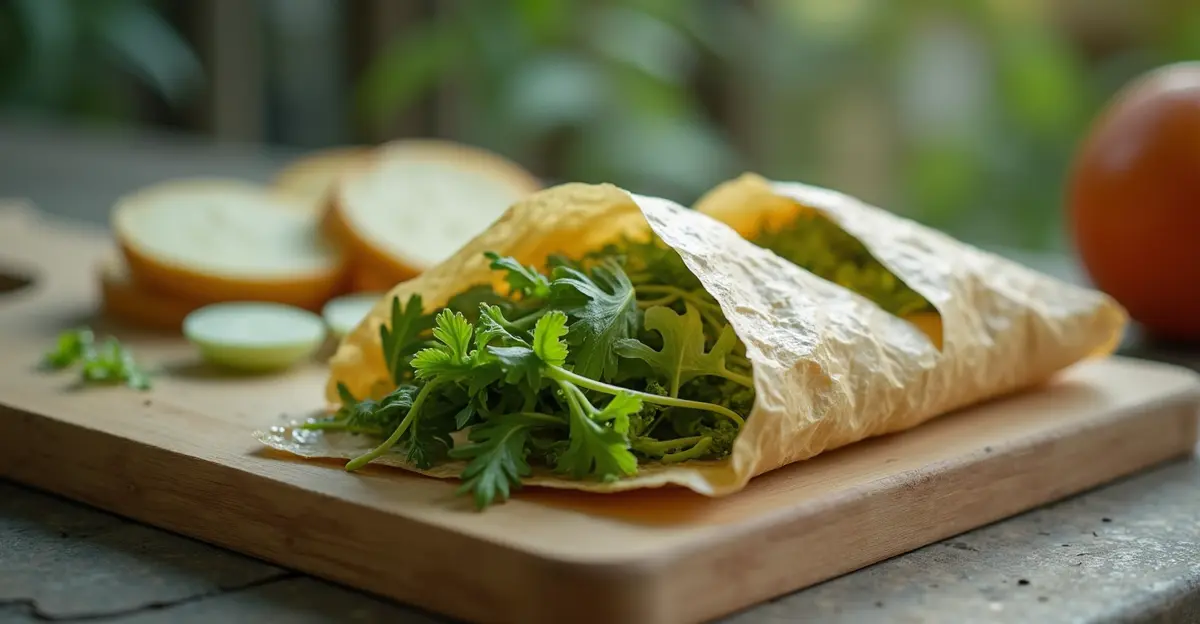
While indefinite preservation remains elusive, 2025 brings us closer. Combining MAP, smart packaging, and aw control could reduce spoilage by 70% in some categories. Edible antimicrobial coatings and CRISPR-engineered preservatives show promise in labs.
Challenges remain: scaling these technologies affordably and ensuring consumer acceptance. The future isn't about eliminating expiration dates entirely, but making them increasingly irrelevant through science.

Follow Discussion