


 Deutsch
 English
 Español
 Français
 Nederlands
 Português


 Share
Share




Government Funding Fuels High-Density Indoor Agriculture
Urban vertical farming operations nationwide are receiving significant financial support through new government grants designed to advance sustainable food production in cities. The USDA recently announced $14.4 million in funding, including $2.5 million specifically for Urban Agriculture and Innovative Production (UAIP) grants that target vertical farming initiatives.
What the Grants Support
The competitive grants focus on two key areas: planning activities that bring together community stakeholders, and implementation of advanced farming systems like hydroponics and vertical agriculture. Since 2020, this program has invested $53.7 million in urban farming projects across the United States.
Success Stories in Action
Several projects demonstrate the impact of this funding:
- Howard-Sumaico School District (Wisconsin) introduced hydroponic farming to provide fresh food while educating students
- Golden Triangle RC&D (Georgia) trains new farmers in vertical farming techniques
- Technical Assistance Partnership of Arizona created a thriving urban farming industry in South Phoenix
Technical Assistance Expansion
Beyond direct grants, the USDA is investing $11.9 million to expand technical support through Urban Agriculture Conservation Extension Educators in 27 priority locations. These specialists help farmers navigate zoning, implement climate-smart practices, and access USDA programs.
Why Vertical Farming Matters
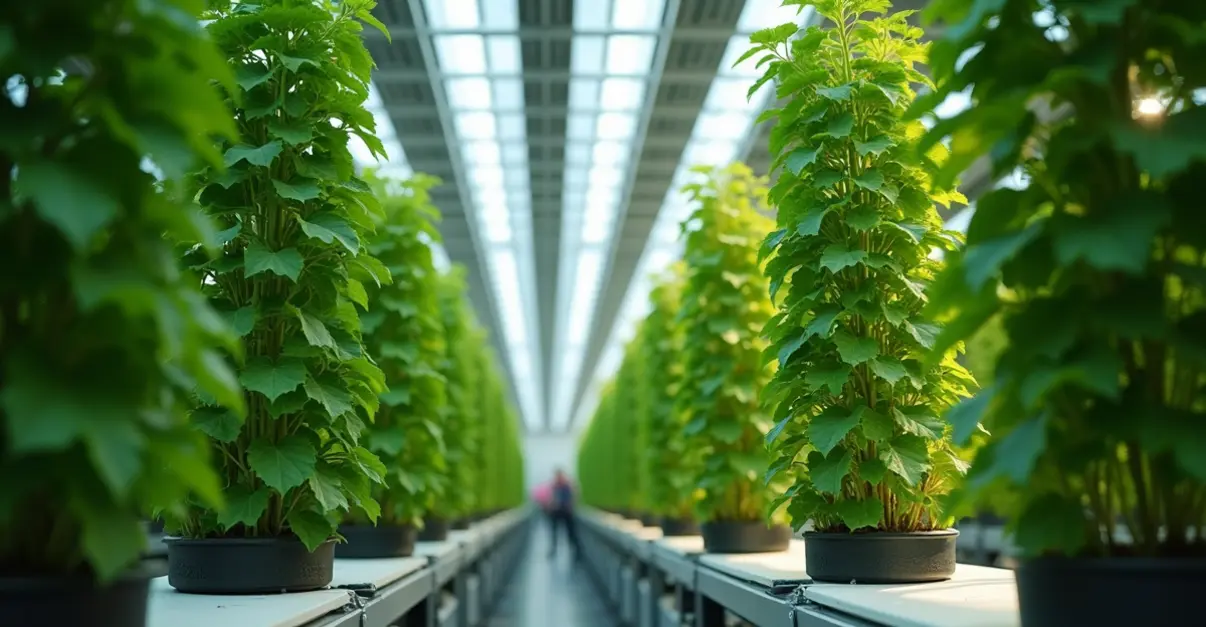
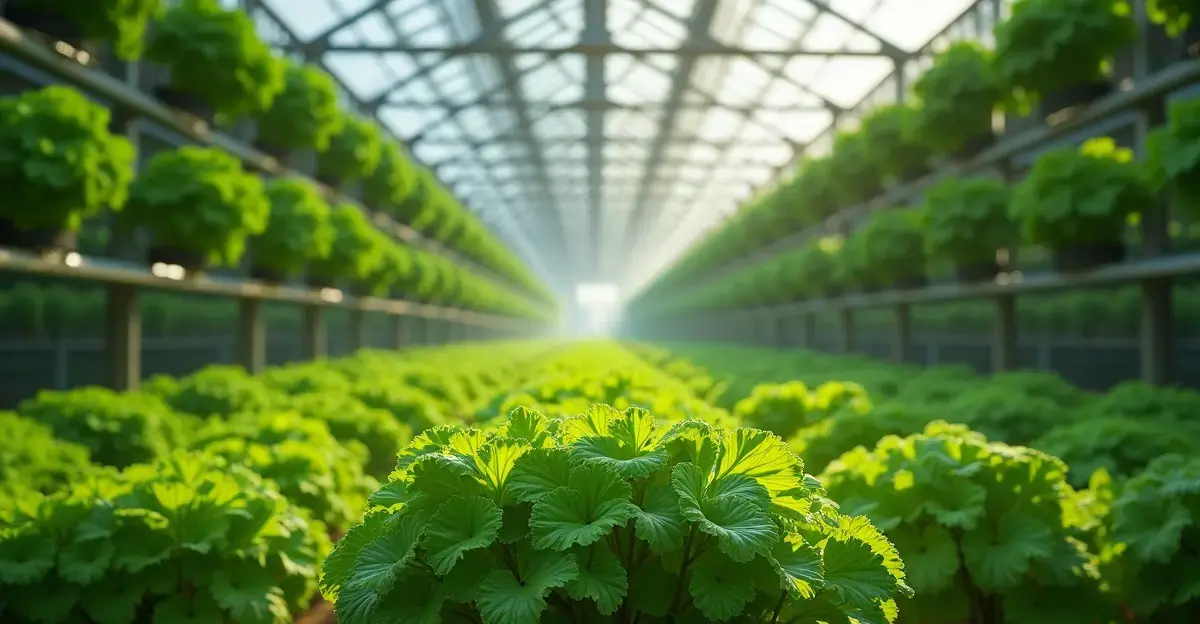
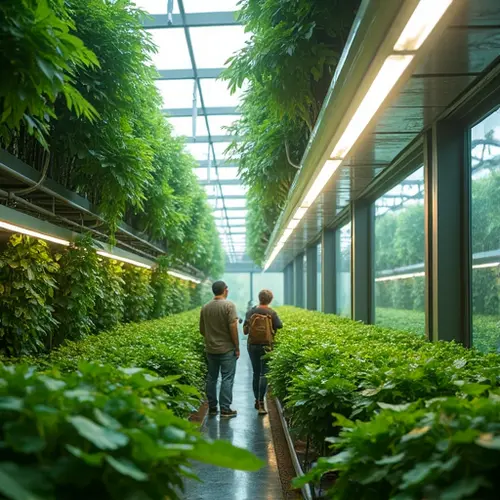
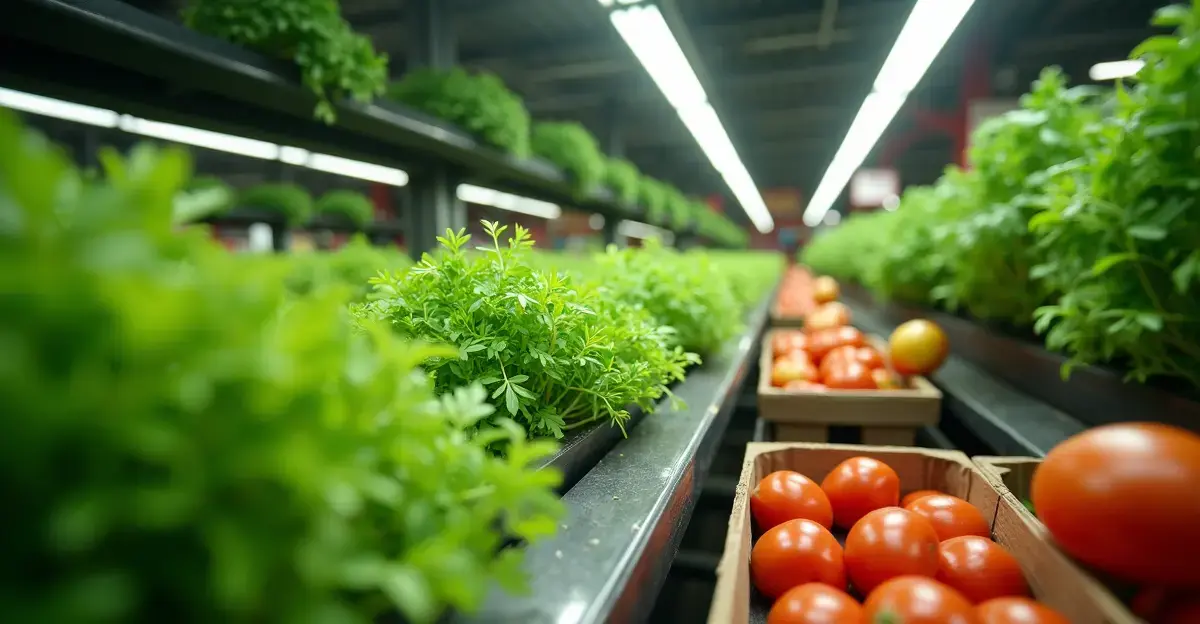
Vertical farming grows crops in vertically stacked layers using controlled-environment agriculture and soilless techniques like hydroponics. According to Wikipedia, this approach delivers up to 10 times higher yields than traditional farming while using less water and land.
Key Benefits
- Year-round production unaffected by weather
- Reduced transportation distances to consumers
- Conservation of natural ecosystems by minimizing land use
Challenges and Solutions
While energy demands remain a concern, innovations in LED technology and renewable energy integration are making these operations increasingly sustainable. The USDA's technical assistance program specifically addresses these challenges through conservation planning.
Future of Urban Food Production
These grants are part of broader USDA initiatives including Urban Service Centers and the People's Garden program. Applications for the latest UAIP grants are open through March 10, 2025. As cities continue growing, vertical farming represents a crucial solution for creating resilient, equitable, and sustainable food systems.

Follow Discussion