


 Deutsch
 English
 Español
 Français
 Nederlands
 Português


 Share
Share




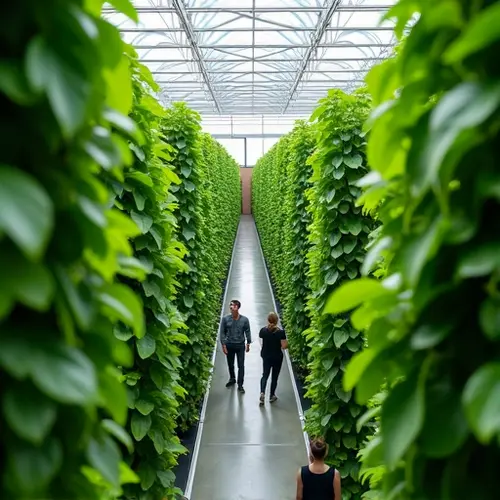
The Rise of Vertical Farms
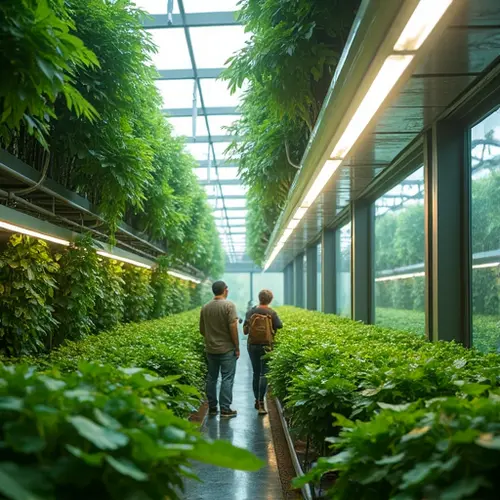
Vertical farming projects are scaling up worldwide as urban populations demand fresh, local produce year-round. Unlike traditional agriculture, these high-tech farms grow crops in stacked layers inside controlled environments, using 95% less water while producing equivalent yields to 1-2 acres of farmland in just 320 square feet.
Global Expansion Accelerates
From Illinois to Singapore, new vertical farms are launching almost weekly. Illinois State University just opened a $200,000 vertical farm in a repurposed shipping container that can grow 4,600 plants using hydroponic systems and LED lighting. "This project harnesses technology to reduce dependence on resource-heavy traditional farming," said University President Aondover Tarhule.
According to USDA researchers, vertical farming offers key advantages:
- Year-round production regardless of weather
- 95% water reduction compared to field farming
- Zero pesticide requirements
- Local food production near urban consumers
Overcoming Challenges
Despite benefits, high energy costs remain a hurdle. "You give up free sunlight," notes USDA horticulturist Dr. James Altland. Innovations in renewable energy and efficient LEDs are making operations more sustainable. Researchers are also expanding beyond leafy greens to strawberries, tomatoes and peppers.
The USDA has launched a national Grand Challenge project to advance controlled environment agriculture. Dr. Kai-Shu Ling predicts vertical farming could capture 50% of the U.S. leafy greens market within a decade. As Dr. David Kopsell at Illinois State observes: "From proposing this in 2019 to today's reality - it's about preparing students for agriculture's future."
USDA research shows these farms could be key to food security as climate change disrupts traditional agriculture.

Follow Discussion