Nederlands
 English
 Deutsch
 Français
 Español
 Português





Nestlé Widens French Infant Formula Recall as Toxin Limits Tighten
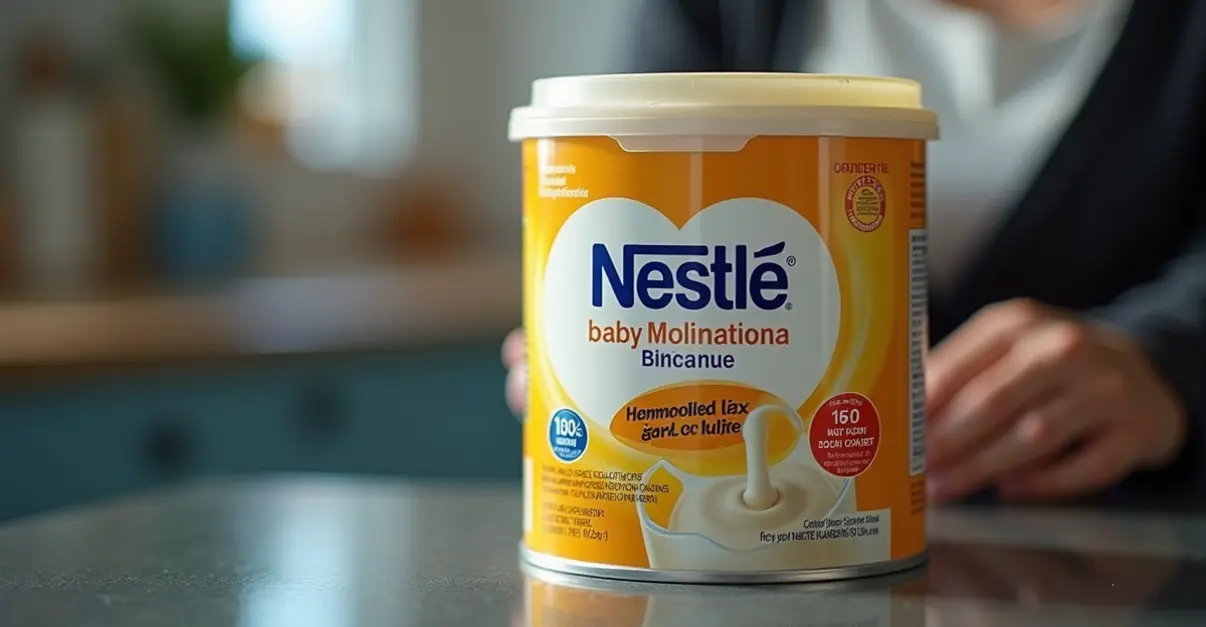
Swiss food giant Nestlé has expanded its infant formula recall in France, pulling additional batches of its Guigoz brand products from shelves. This latest action comes as French authorities have implemented stricter safety standards, lowering the acceptable threshold for cereulide toxin in baby formula from 0.03 to 0.014 micrograms per kilogram of body weight.
'Because the methods for analyzing cereulide have evolved, we are voluntarily recalling a batch of Guigoz baby food, in addition to the batches already recalled,' Nestlé stated in an official announcement.
Deadly Investigation and Regulatory Changes
French prosecutors are investigating whether two infant deaths may be linked to contaminated baby formula containing cereulide. The investigation follows the discovery of the toxin in powdered infant milk at a Nestlé facility in the Netherlands in late November 2025. The contamination occurred in a production line where new machines had recently been installed.
According to Reuters, the French Ministry of Agriculture had anticipated that lowering the cereulide threshold would lead to additional recalls. The ministry stated that protecting infant health was their top priority in implementing these stricter standards.
Global Contamination Crisis
The contamination crisis has affected major manufacturers across Europe, with recalls spanning over 60 countries. The problem originated from contaminated arachidonic acid (ARA) oil supplied to multiple companies. Cereulide is a heat-stable toxin produced by Bacillus cereus bacteria that causes vomiting and diarrhea within 30 minutes to 3 hours of ingestion.
As reported by Euronews, the contamination has affected not only Nestlé but also Danone, Lactalis, and other major formula manufacturers. In Belgium, one baby fell ill with vomiting and diarrhea after consuming contaminated Nestlé formula but recovered after 10 days.
Legal Action and Consumer Backlash
Consumer watchdog Foodwatch has filed a criminal complaint in Paris against Nestlé and other infant formula manufacturers. The organization alleges that companies and authorities warned the public 'much too late' about contaminated milk powder.
'Foodwatch questions the companies' responsibility and the authorities' handling of the crisis,' according to Dairy Reporter. Eight affected families have joined the complaint, with more expected to follow.
Nestlé has disputed these claims, stating they acted appropriately once the contamination was discovered. The company immediately halted production at the affected Dutch facility, dismantled the new machinery for investigation, and recalled all products from the contaminated production line.
Market Impact and Future Regulations
The crisis has significantly impacted company stocks, with Nestlé shares falling nearly 10% and Danone dropping 4% to its lowest level since January 2025. The European Commission has requested the European Food Safety Authority to establish a standard for cereulide in children's products, with an opinion expected in early February.
This incident highlights gaps in standard testing procedures, as cereulide testing was not part of routine checks despite routine testing for Bacillus cereus bacteria. Parents are advised to check batch numbers and return affected products to retailers for refunds or replacements.