Nederlands
 English
 Deutsch
 Français
 Español
 Português





From Protein Obsession to Fiber Revolution
Move over protein shakes and bars – fiber is having its moment in the spotlight. While supermarkets have been flooded with protein-enhanced products for years, a new dietary trend is emerging that focuses on what many nutrition experts say we've been missing: dietary fiber. According to market research, American consumers are increasingly shifting their attention to fiber-rich foods, with supermarket chain Whole Foods predicting that by 2026, fiber claims will dominate food packaging.
The trend isn't just theoretical – it's going viral on social media through a movement called 'fibermaxxing.' This online phenomenon sees people, particularly younger social media users, trying to maximize their fiber intake at every meal. 'There's a consumer need around digestive and gut health, and we've been seeing that over the past few years,' says Sherry Frey, health and wellness expert at market research firm NIQ, in an interview with CNN.
Corporate Giants Jump on the Fiber Bandwagon
Major food companies aren't missing this opportunity. PepsiCo has been actively expanding its portfolio with fiber-rich products, including the recent acquisition of gut-friendly soda brand Poppi for nearly $2 billion. The beverage giant is launching products with added fiber, including fiber-rich chips and popcorn. Even fast-food giant McDonald's is getting in on the action, with the CEO sharing predictions about a fiber-filled future on social media.
'Increasing fiber intake is one of the most impactful dietary changes for cognitive health,' explains Karen Scott, professor of gut microbiology at the Rowett Institute of the University of Aberdeen. Her research highlights the crucial connection between what we eat and how our brains function.
The Brain-Boosting Benefits of Fiber
The growing emphasis on fiber isn't just good for digestion – it's excellent news for brain health. Recent research published by the BBC reveals that fiber gives a significant boost to the microbiome (the bacteria in our large intestine) and enhances communication between the gut and brain. This connection helps delay symptoms of cognitive decline.
A 2022 study published in Nutritional Neuroscience found that higher fiber intake, particularly soluble fiber, is associated with a reduced risk of developing dementia. The research followed 3,739 adults for up to two decades and discovered that those who consumed more fiber had significantly lower dementia incidence. Another study from the National Health and Nutrition Examination Survey showed that cognitive benefits plateau at approximately 34 grams of fiber per day.
Simple Sources for Maximum Benefit
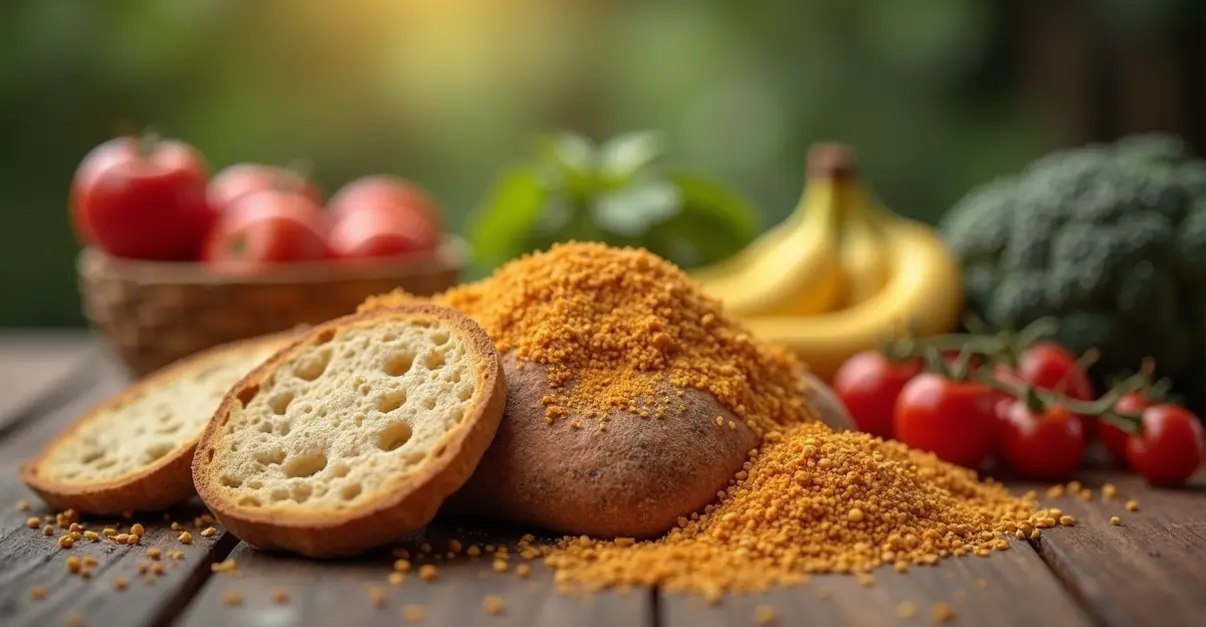
You don't need expensive supplements or specialized products to get your fiber fix. According to the Dutch Nutrition Center, women should aim for at least 25 grams of fiber daily, while men need at least 30 grams. The best sources? 'You get most of your fiber simply from vegetables, fruits, and whole-grain products,' notes nutrition experts.
Common fiber-rich foods include oats, beans, apples, whole grains, vegetables, nuts, and seeds. Avocados, broccoli, raspberries, and legumes provide 5-8 grams of fiber per serving. Nutritionists recommend gradually increasing fiber intake by about 5 grams per week to allow your digestive system to adjust and to drink plenty of water to prevent discomfort.
The Future of Food is Fiber-Focused
As consumers become more educated about the gut-brain connection and the importance of dietary fiber, food manufacturers are responding with innovative products. The trend represents a significant shift from the protein-focused nutrition of recent years to a more balanced approach that recognizes fiber's crucial role in overall health.
With research continuing to reveal the extensive benefits of fiber – from reducing chronic disease risk to supporting cognitive function – this trend appears to be more than just a passing fad. It's a scientifically-backed movement that could lead to lasting changes in how we think about nutrition and brain health.