This is what overworking does to your brain

A study reveals that overworking can cause structural changes in the brain, affecting cognitive functions and emotional regulation.

overworking-brain-health
Facebook X LinkedIn Bluesky WhatsApp

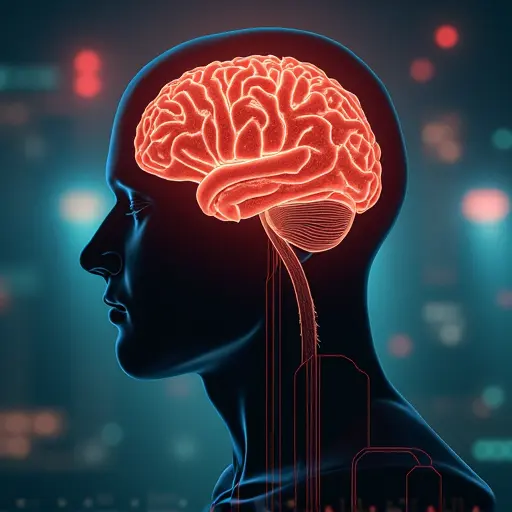
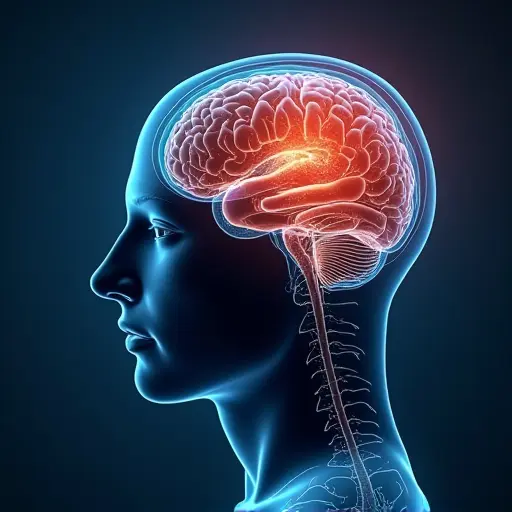
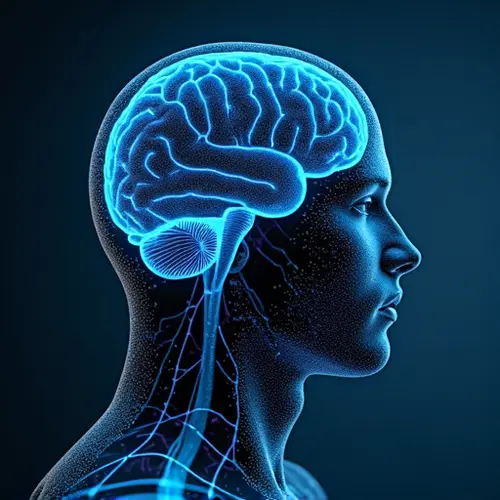
Korean researchers used MRI scans to examine the brains of healthcare workers who consistently work long hours. They compared two groups: those with a normal workweek and those working 52 hours or more. The overworkers showed clear differences in brain regions related to emotional processing and cognitive functions like planning, memory, and decision-making.

One striking discovery was a 19% increase in the volume of the middle frontal gyrus, a region linked to attention, working memory, and language. The insula, which regulates emotions and self-awareness, also showed changes. These findings suggest that chronic overwork may lead to structural brain adaptations, potentially affecting focus, emotional stability, and productivity.
Related

neural-implants-education-revolution
Ai

Neural Implants Revolutionize Education: Instant Learning Through Brain-Computer Interfaces

Neural implants are enabling direct brain-to-digital knowledge transfer, revolutionizing education. Companies like...

brain-data-privacy-neurotechnology
Ai

The Ethics of Brain Data: Should Neural Activity Be Private?

Neurotechnology's ability to collect real-time brain data raises ethical questions about privacy, consent, and...

neuroscience-brain-training-focus
Health

Life Hacks from Neuroscience: Train Your Brain in 10 Minutes a Day

Neuroscience research offers practical tips to improve focus, memory, and emotional regulation in just 10 minutes a...

pain-unexpected-study-brain
Health

Pain feels worse when unexpected, study reveals

A study shows that unexpected pain feels more intense due to the brain's heightened response to uncertainty,...

excessive-work-brain-structure
Health

Excessive work alters brain structure, research reveals

A study reveals that excessive work alters brain structure, potentially harming cognitive functions and mental...