


 Deutsch
 English
 Español
 Français
 Nederlands
 Português


 Share
Share




China’s Diplomatic Tightrope in the Ukraine Conflict
China has long positioned itself as a neutral player in international conflicts, and the Ukraine war is no exception. While Beijing has refrained from outright condemnation of Russia’s invasion, it has also avoided overt support, opting instead for a delicate diplomatic balancing act. This approach reflects China’s broader foreign policy strategy of non-interference and economic pragmatism.
The Peace Plan That Wasn’t
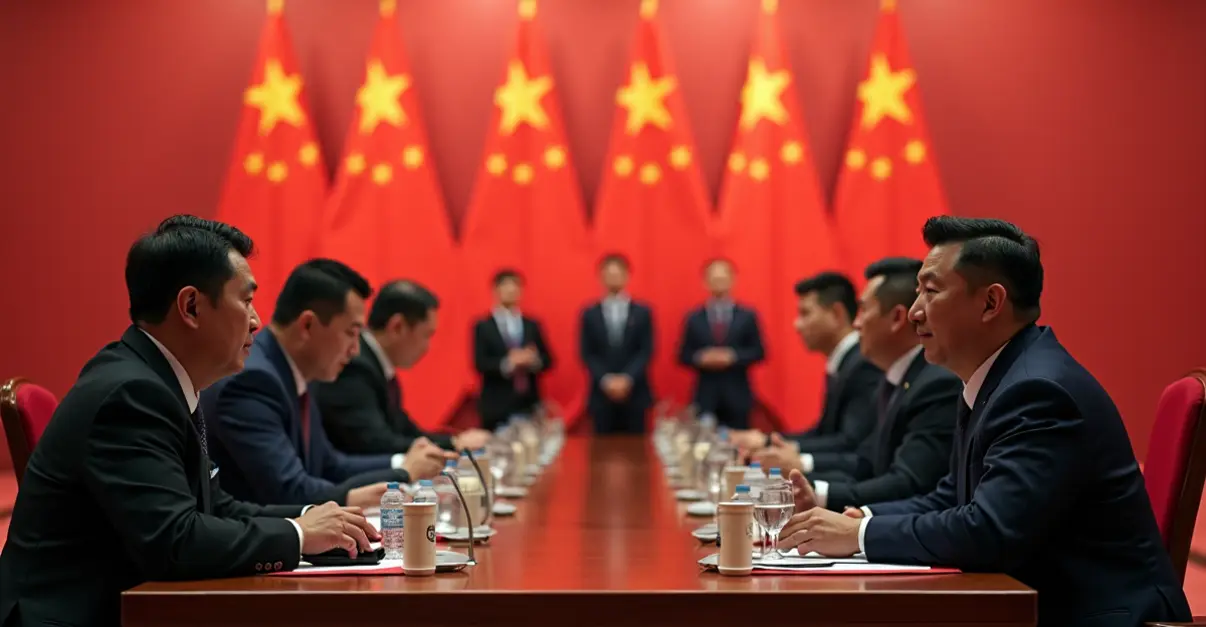
In February 2023, China released a 12-point "peace plan" for Ukraine, which was largely seen as a symbolic gesture. The document emphasized respect for sovereignty, territorial integrity, and the need for peace talks but stopped short of condemning Russia’s aggression. Critics noted that the plan lacked concrete proposals and seemed more aimed at appeasing Western nations than resolving the conflict.
Economic Interests vs. Diplomatic Neutrality
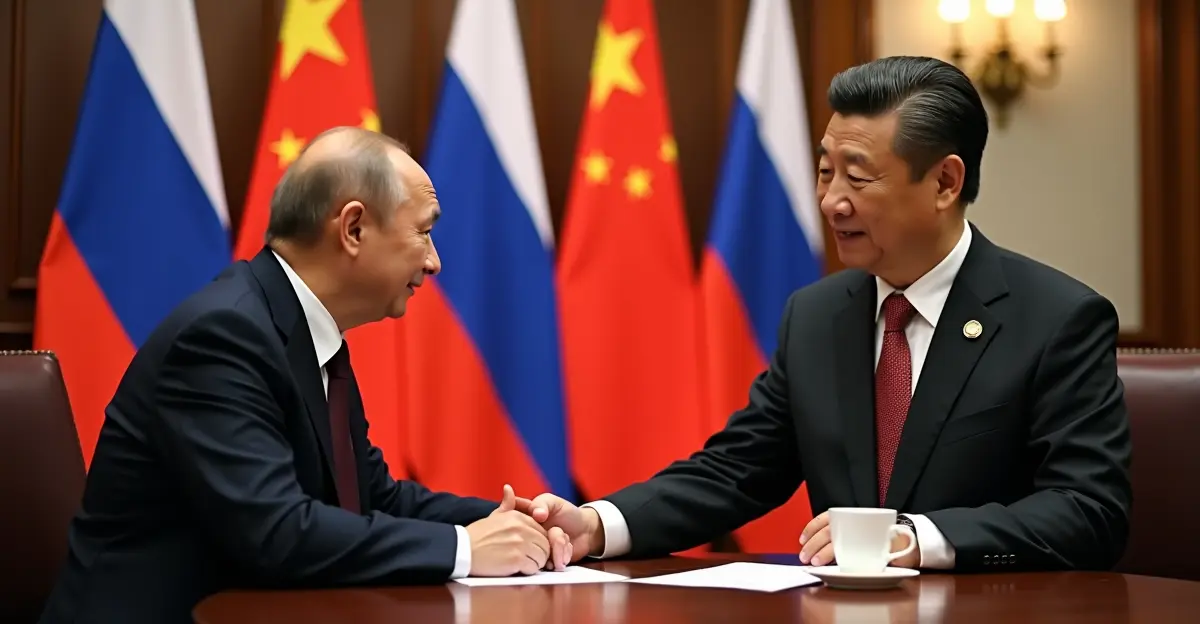
China’s relationship with Russia is complex. While the two nations share economic and strategic ties, China’s reliance on Western markets and technology limits its ability to fully align with Moscow. Beijing has also been cautious about violating international sanctions, fearing repercussions for its global trade networks.
Meanwhile, China’s trade with Ukraine, particularly in agriculture and infrastructure, has suffered due to the war. The Black Sea Grain Initiative, which China supported, highlights its interest in stabilizing global food supplies—a critical concern for a nation with a massive population to feed.
The Global Perception
China’s stance has drawn mixed reactions. Some view its neutrality as a pragmatic attempt to avoid alienating key partners, while others criticize it for failing to take a stronger moral stand. The recent U.S. intelligence reports alleging discussions of Chinese arms shipments to Russia—denied by Beijing—have further complicated the narrative.
Looking Ahead
As the conflict drags on, China’s role will likely remain ambiguous. Its diplomatic balancing act reflects the broader challenges of navigating a multipolar world where economic interests often clash with geopolitical alignments.


Follow Discussion